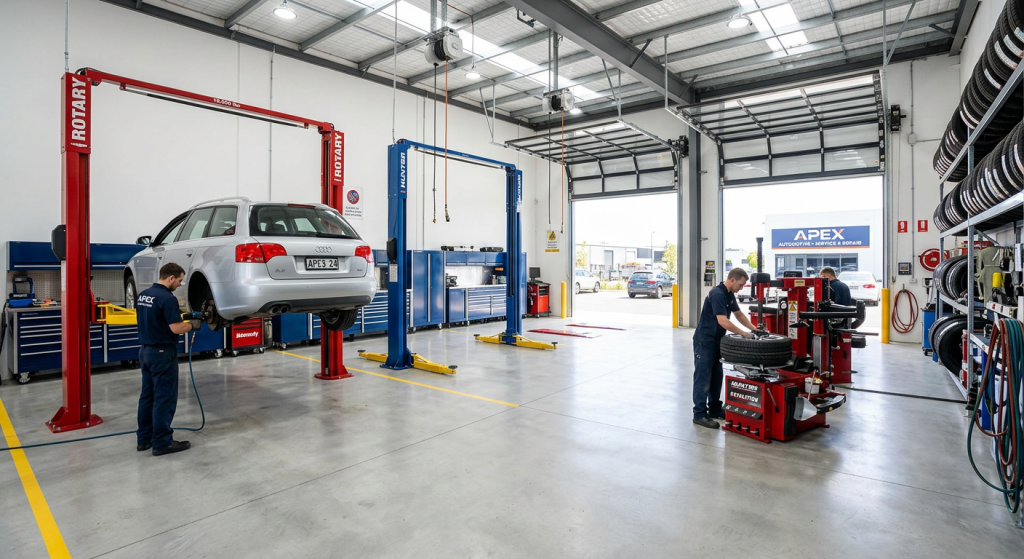
Setting up an auto repair shop requires more than a vehicle lift and a basic toolbox. A complete auto repair shop equipment list may include vehicle lifting equipment, tire and wheel service machines, automotive diagnostic tools, lubrication and fluid service equipment, engine and transmission handling tools, A/C service machines, compressed-air systems, workshop furniture, and safety equipment.
The exact equipment you need depends on your workshop size, the vehicles you service, your daily workload, and the services you plan to provide. A general repair garage, tire shop, fleet maintenance facility, and full-service automotive workshop will each require a different equipment configuration.
This guide organizes the most common auto shop equipment and mechanic shop equipment into practical categories, helping you identify what is essential from day one and what can be added as your service capabilities expand. You can also browse the complete WSA Tools automotive workshop equipment range to explore available equipment by category.
Auto Repair Shop Equipment List at a Glance
The following checklist covers the main equipment categories commonly used in professional auto repair shops, service garages, tire centers, dealerships, and fleet maintenance workshops.
Equipment Category
Common Equipment
Typical Priority
Vehicle Lifting
Two-post lift, four-post lift, scissor lift, floor jack, jack stands
Fire extinguishers, PPE, spill kits, eye wash station, exhaust extraction
Essential
Not every workshop needs every machine immediately. A general repair shop may prioritize lifting equipment, diagnostics, hand tools, and fluid service systems, while a tire shop will place more emphasis on tire changers, wheel balancers, and alignment equipment. The best approach is to match your equipment purchases to the services you actually plan to provide.
1. Vehicle Lifting Equipment
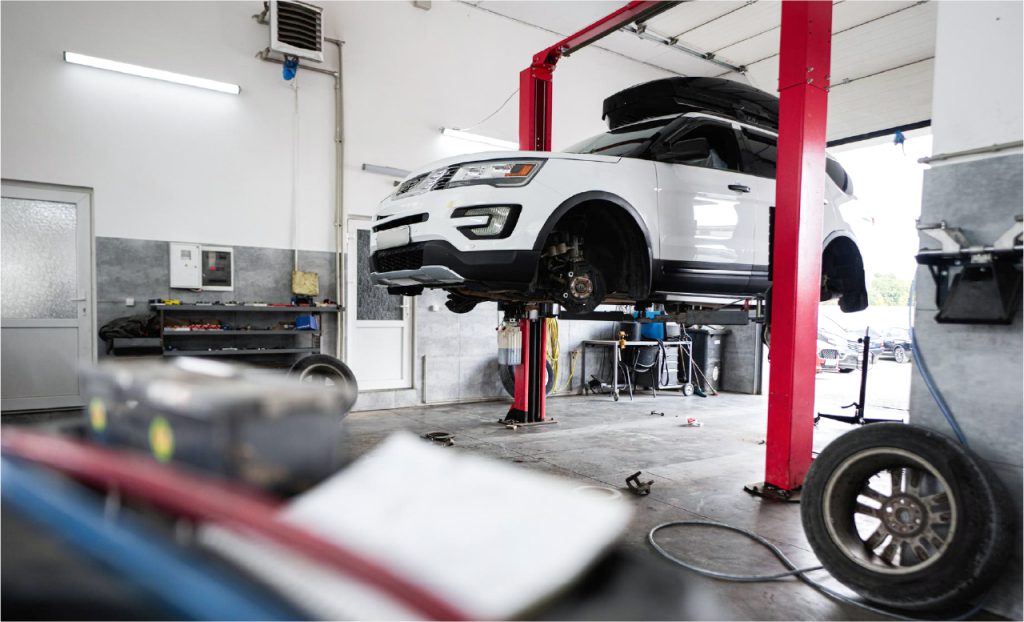
Vehicle lifting equipment forms the foundation of most professional repair bays. It affects workshop layout, vehicle access, technician movement, and the types of maintenance and repair work that can be performed efficiently.
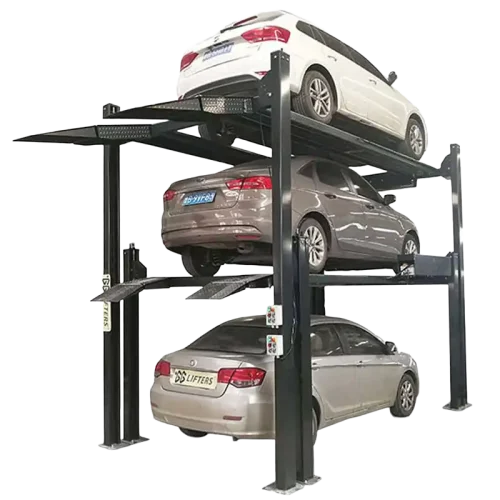
For service and maintenance bays, browse WSA Tools' automotive lift range. Garages, dealerships, and storage facilities that need to increase vehicle capacity within a limited footprint can also explore our vehicle stacking and parking lift options.
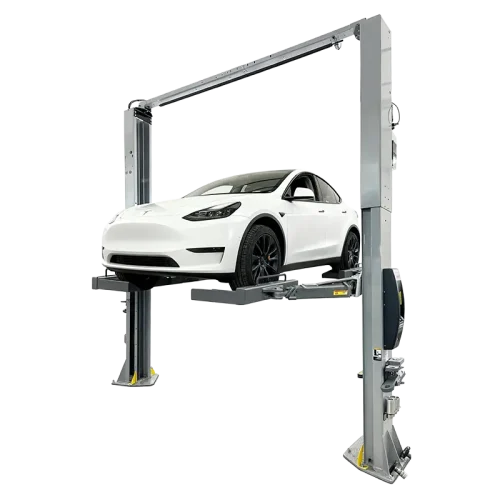
Two-Post Car Lift
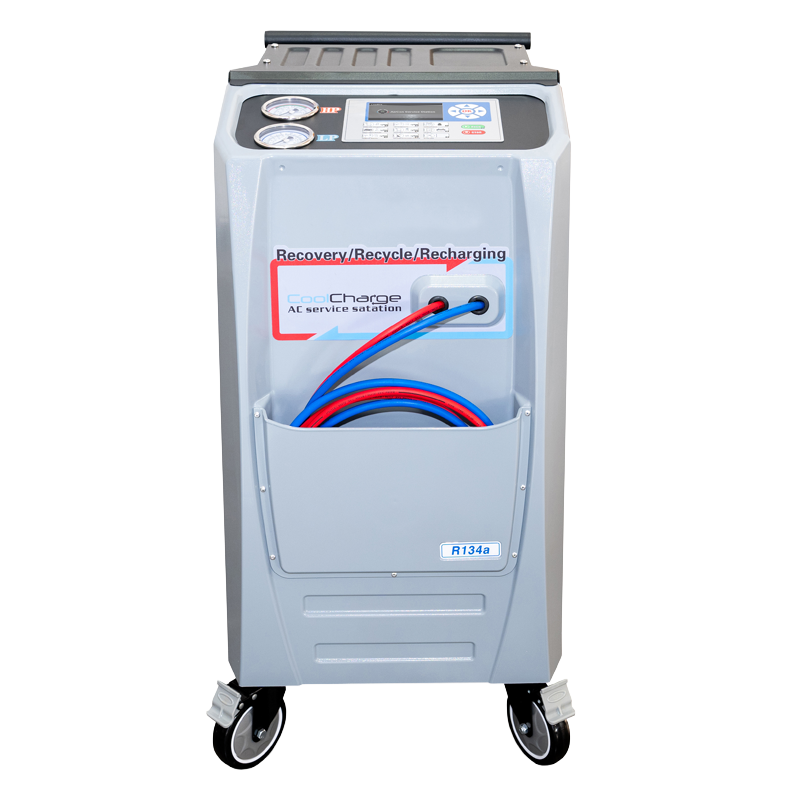
A two-post car lift is one of the most versatile lifting options for general automotive repair. Shops offering A/C service should also budget for a car AC recovery and charging machine to handle refrigerant recovery and precise charging.
Two-post lifts are commonly used in independent repair garages and general automotive workshops. Capacity, column design, overall height, arm configuration, locking system, and installation requirements should all be matched to the vehicles being serviced.
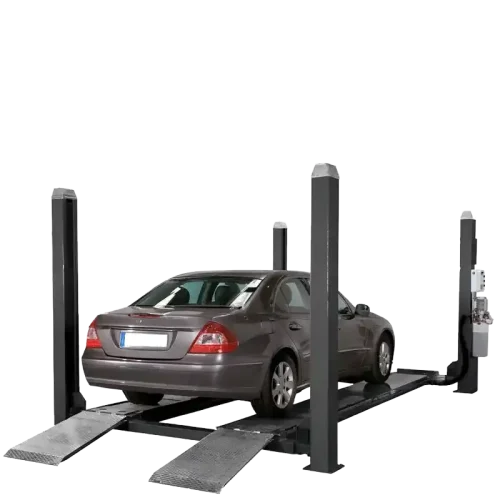
Four-Post Car Lift
A four-post lift uses drive-on runways and is commonly considered for vehicle inspection, wheel alignment, heavier vehicles, and applications where a drive-on lifting platform is preferred.
Some four-post configurations can also support alignment work when combined with suitable turntables, slip plates, and rolling jacks.
Workshops deciding between these two configurations can compare 2-post and 4-post car lifts by underbody access, required floor space, installation method, alignment capability, and typical service applications.
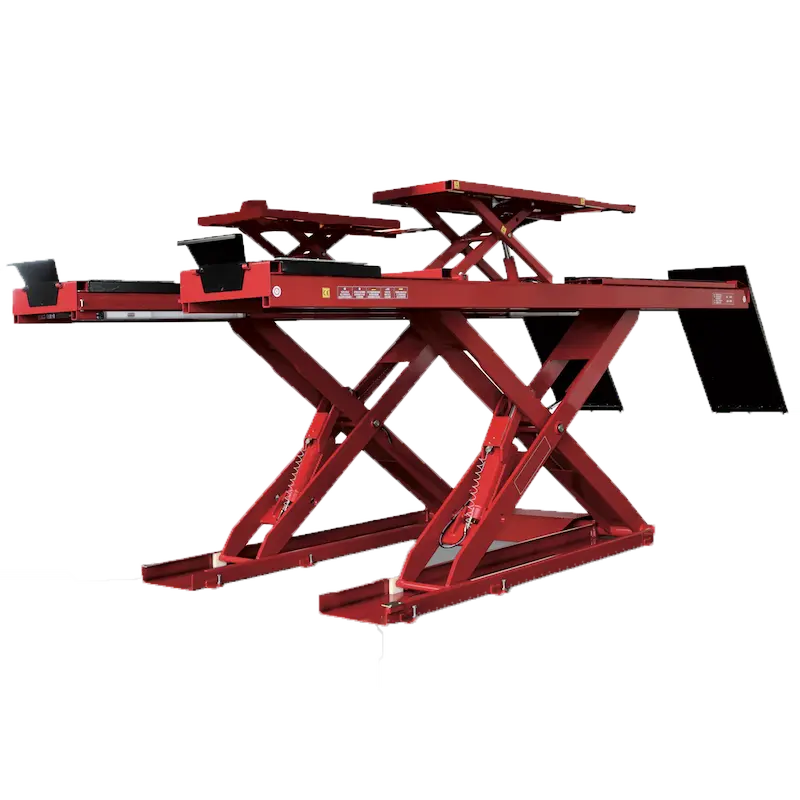
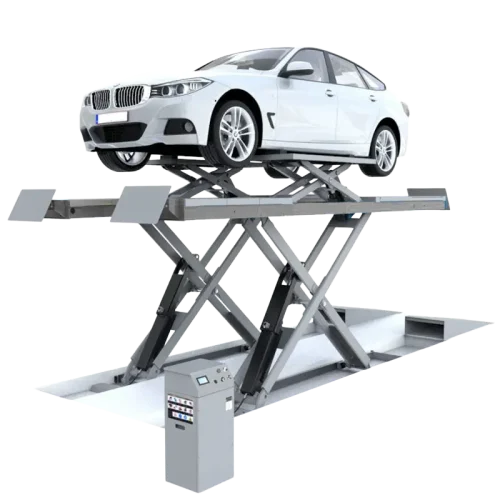
Scissor Lift
A scissor lift can be useful for workshops that need a compact lifting solution or want a dedicated bay for tire, brake, wheel, and quick-service work. Different designs are available for surface-mounted and recessed installation.
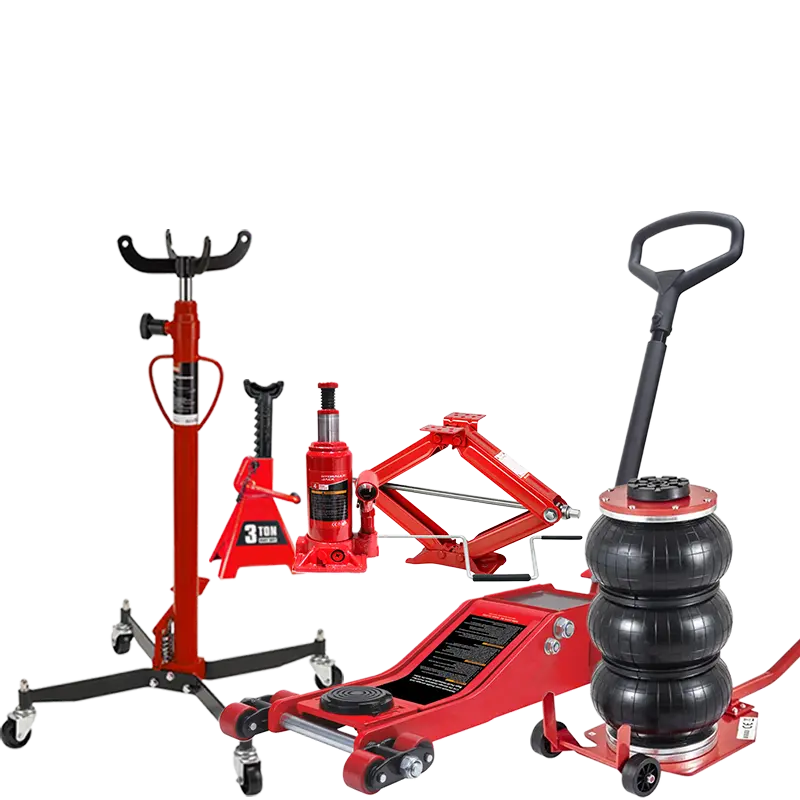
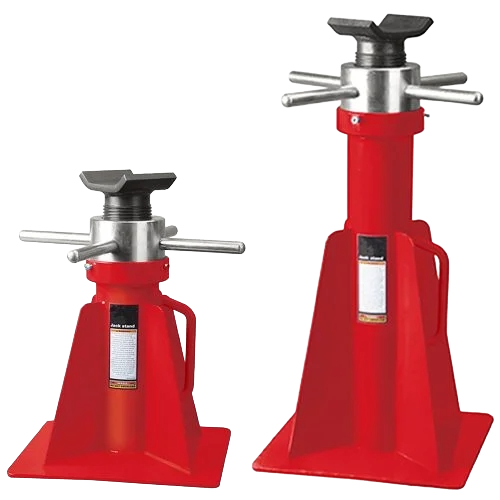
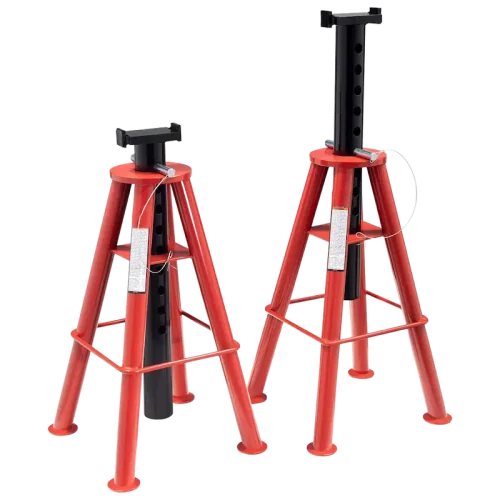
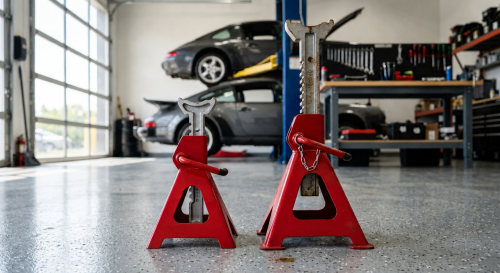
Floor Jacks and Jack Stands
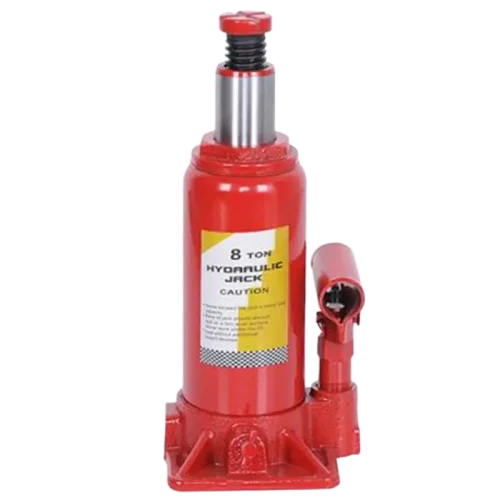
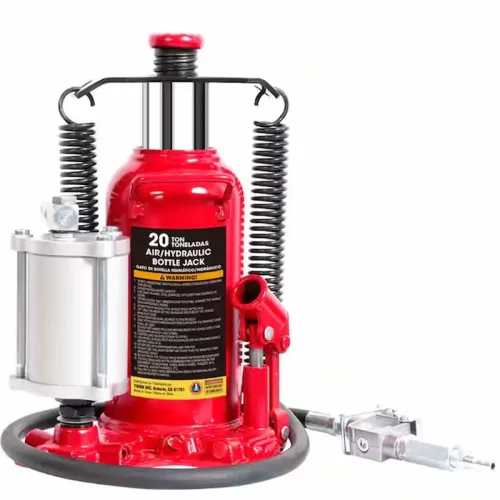
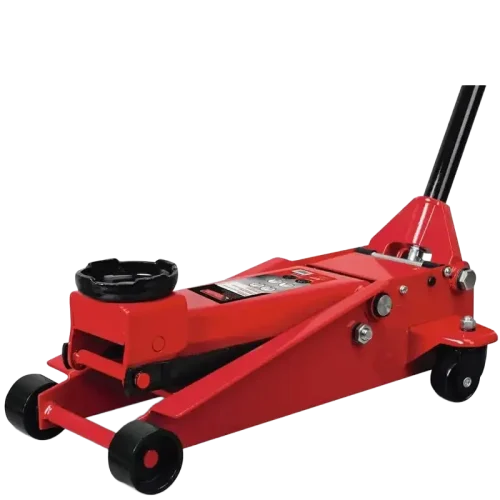
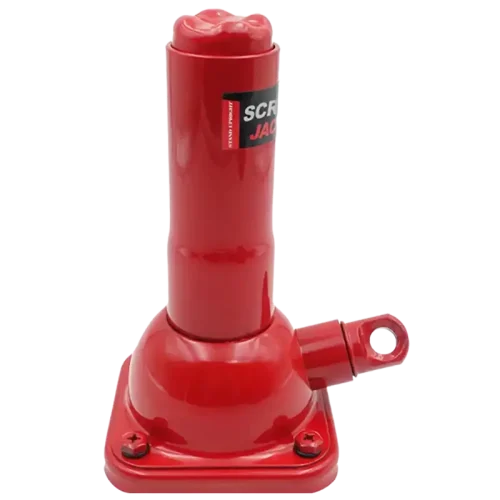
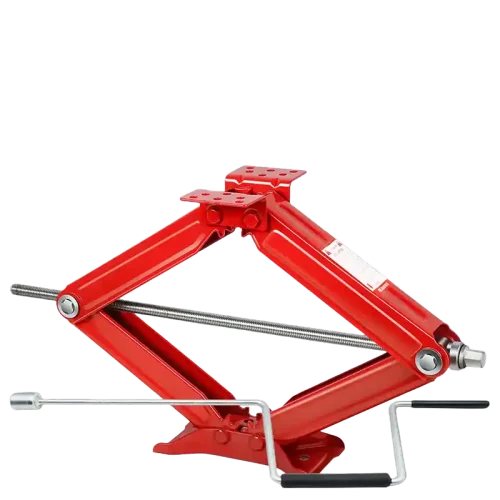
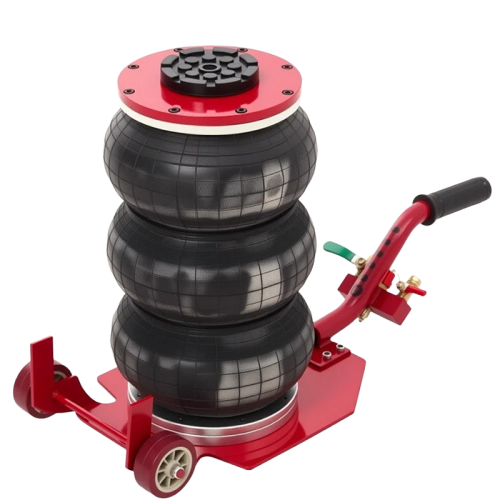
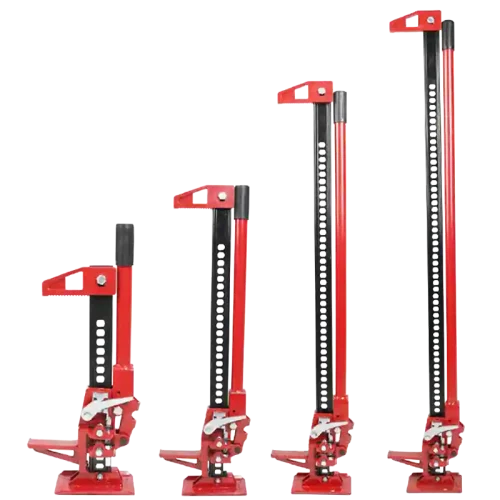
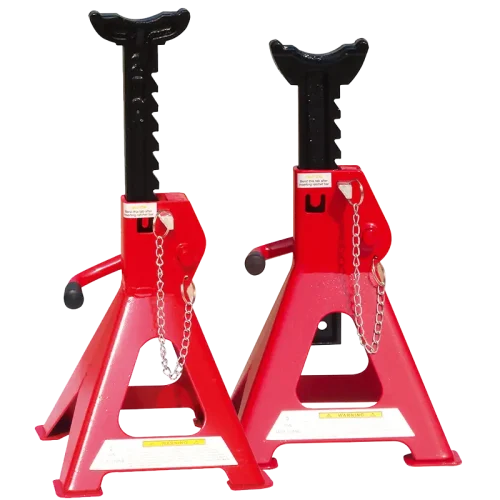
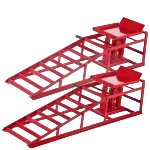
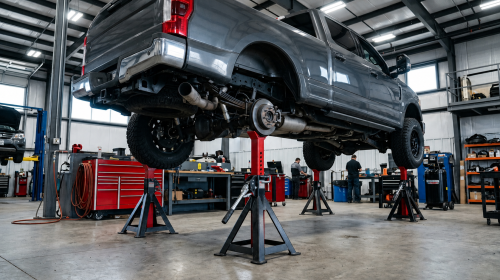
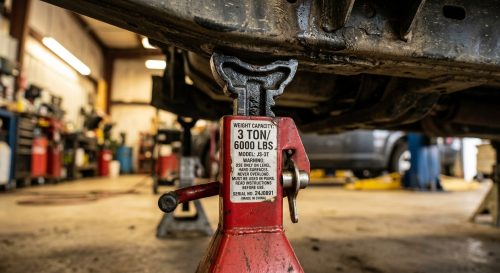
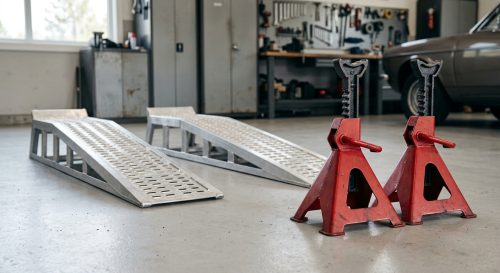
Even workshops equipped with fixed vehicle lifts still need mobile lifting and support tools. A professional garage should have appropriately rated floor jacks for quick lifting and jack stands for supporting vehicles during service work.
Select lifting capacity and minimum lifting height according to the vehicles you normally service. Low-profile vehicles may require a low-entry jack, while SUVs, pickups, and commercial vehicles may need higher-capacity equipment.
Vehicle lifting equipment is one of the first systems to plan when setting up an automotive repair workshop.
2. Tire and Wheel Service Equipment
Tire and wheel service equipment is important for tire shops, general repair garages, dealerships, and fleet maintenance facilities that handle tire replacement, balancing, wheel-related diagnostics, or alignment work in-house.
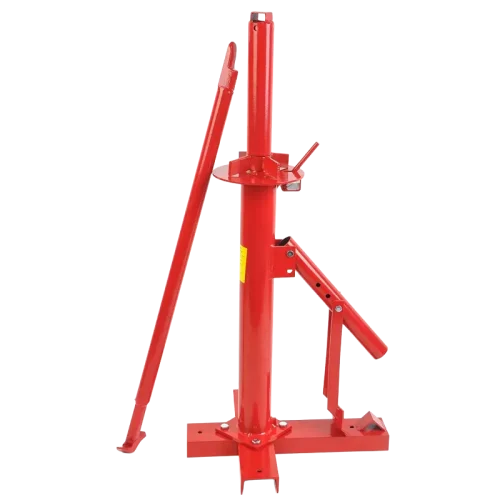
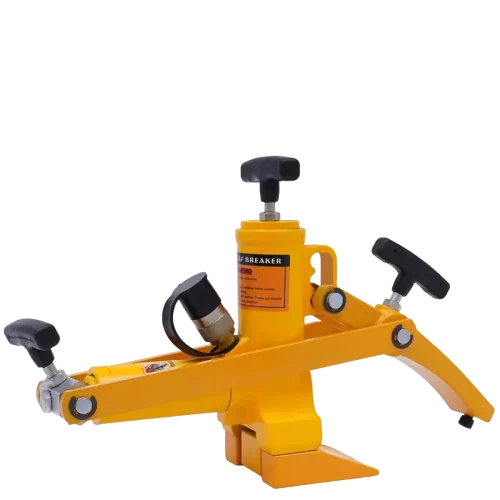
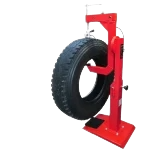
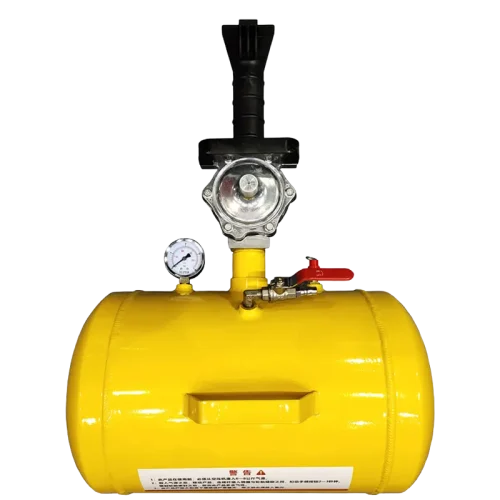
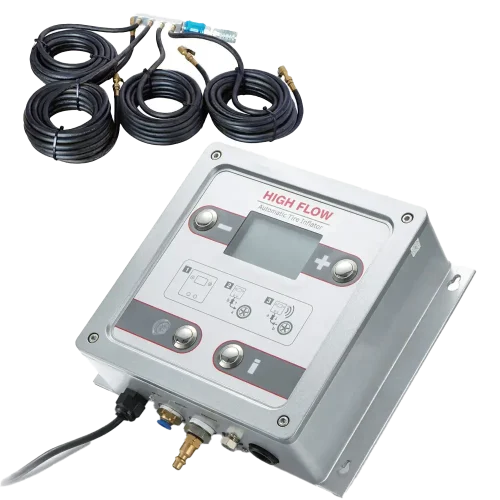
A typical tire service bay may include a tire changer, wheel balancer, tire inflator, bead breaker, and related repair tools. More advanced workshops may also add wheel alignment equipment. Explore the full tire and wheel service equipment range for these applications.
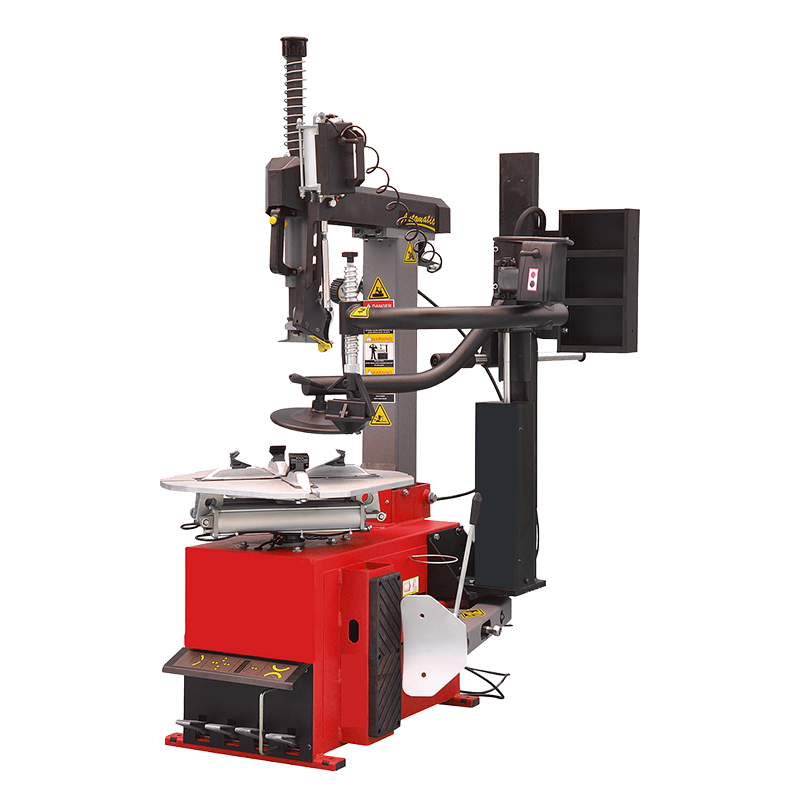
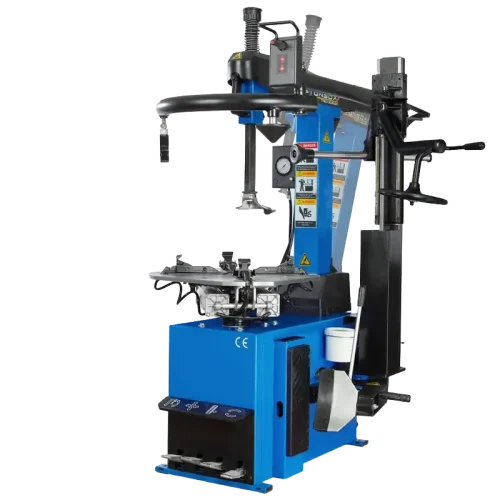
Tire Changer
A car tire changer allows technicians to remove and install tires more efficiently while reducing manual effort. Equipment selection should consider rim diameter, tire width, wheel design, low-profile or run-flat tire requirements, and expected daily service volume.
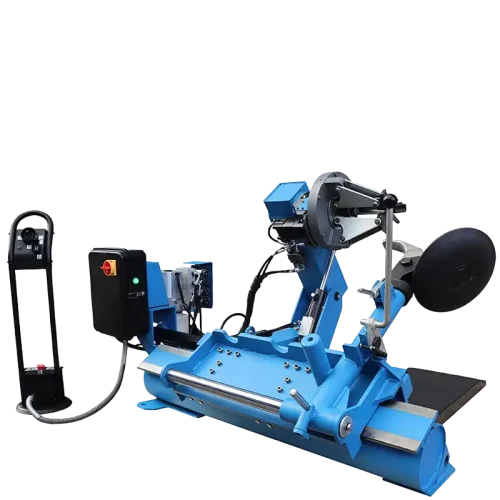
Workshops that regularly service trucks, buses, or other commercial vehicles require purpose-built heavy-duty tire changers designed for larger and heavier wheel assemblies.
Wheel Balancer
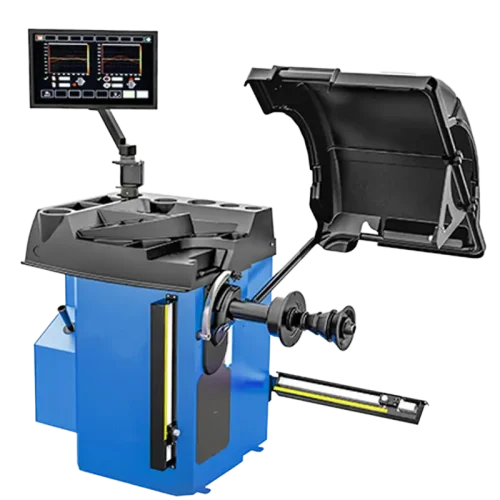
A wheel balancing machine identifies wheel imbalance so technicians can position correction weights accurately. When choosing a wheel balancer, consider supported wheel dimensions, maximum wheel weight, balancing modes, measurement automation, and the types of vehicles normally serviced.
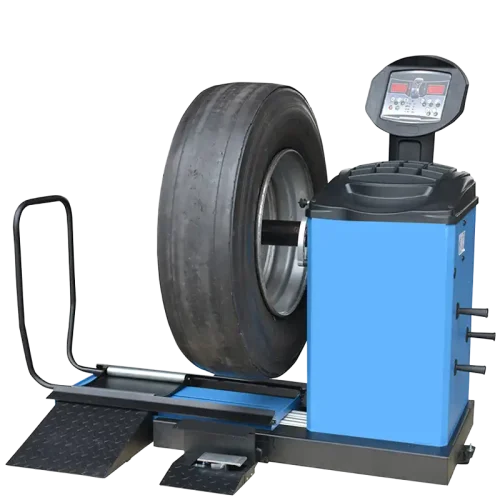
Truck and bus workshops can instead consider a heavy-duty wheel balancer designed for commercial vehicle wheel assemblies.
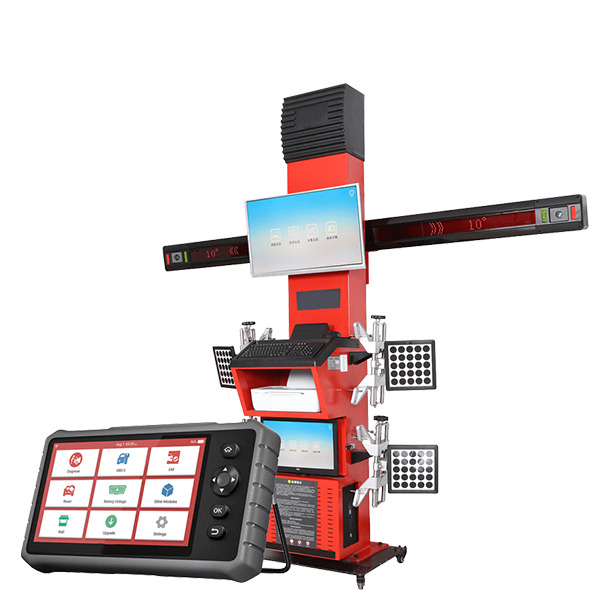
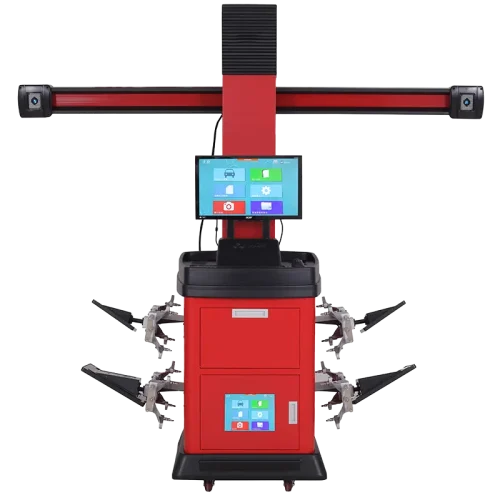
Wheel Alignment System
A wheel alignment system allows workshops to inspect and correct vehicle wheel geometry after steering, suspension, tire, or chassis-related work. Alignment equipment should be planned together with available bay space and a suitable lifting platform.
A tire changer and wheel balancer form the core of many professional tire and wheel service stations.
3. Automotive Diagnostic Equipment
Modern vehicle maintenance increasingly depends on accurate electronic and electrical testing. The right diagnostic equipment helps technicians identify faults before replacing parts and verify that repairs have solved the original problem.
A typical automotive diagnostic equipment list may include:
Professional automotive diagnostic scanner
OBD diagnostic equipment
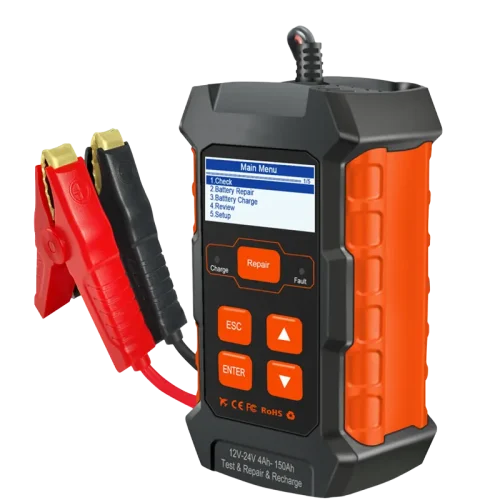
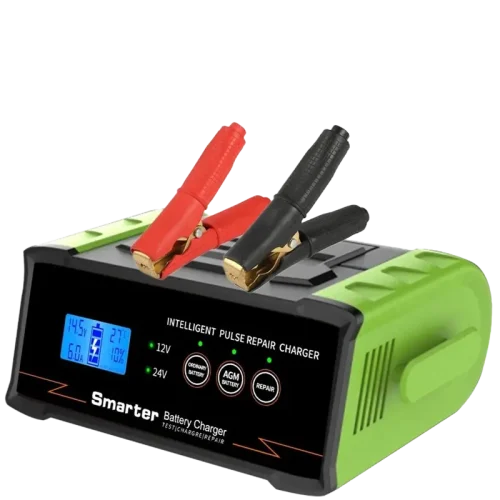
Battery tester and battery charger
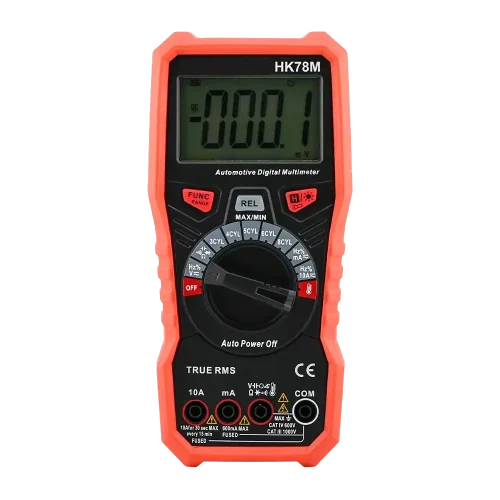
Digital multimeter
Charging-system tester
Automotive oscilloscope for advanced electrical diagnostics
Smoke leak detector for EVAP, intake, and vacuum leak diagnosis
Professional workshops should choose diagnostic equipment according to actual vehicle coverage and required testing capabilities rather than simply selecting the machine with the longest feature list. Compatibility, supported systems, diagnostic functions, software availability, and commercial vehicle protocols can all affect equipment selection.
For basic electrical troubleshooting, our automotive battery testing guide also explains how a multimeter can be used during battery and charging-system checks.
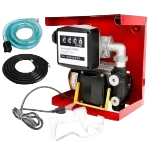
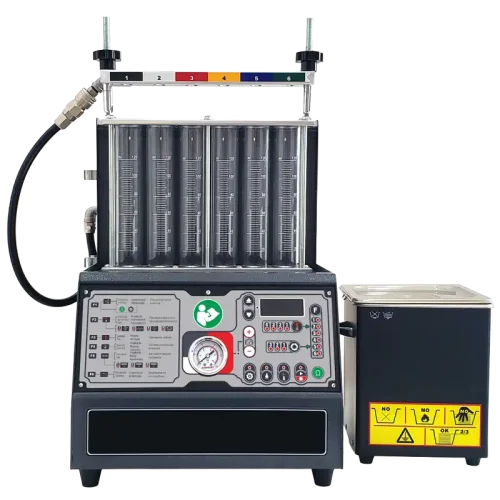
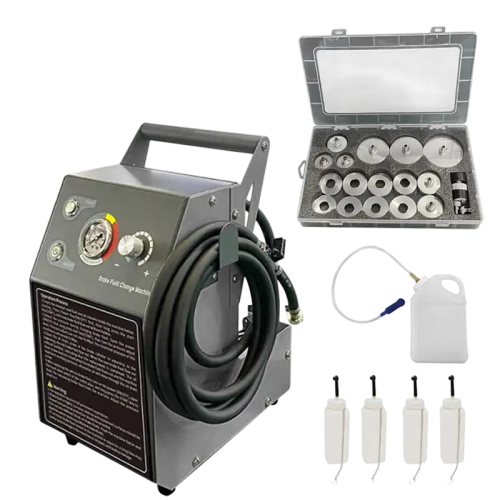
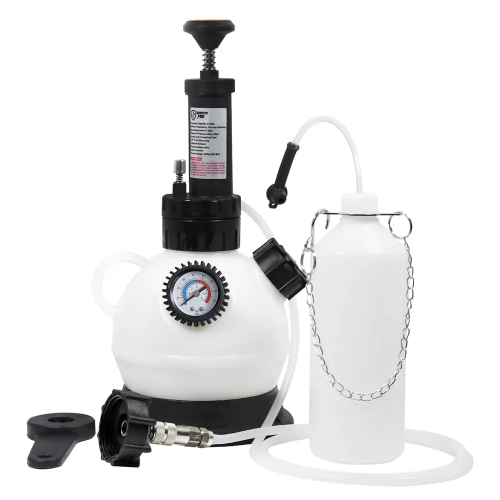
4. Lubrication and Fluid Service Equipment
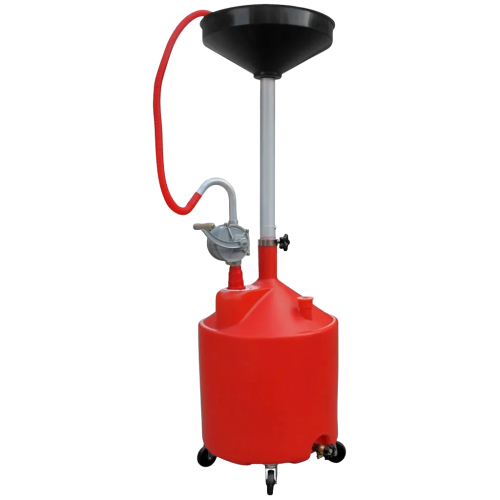
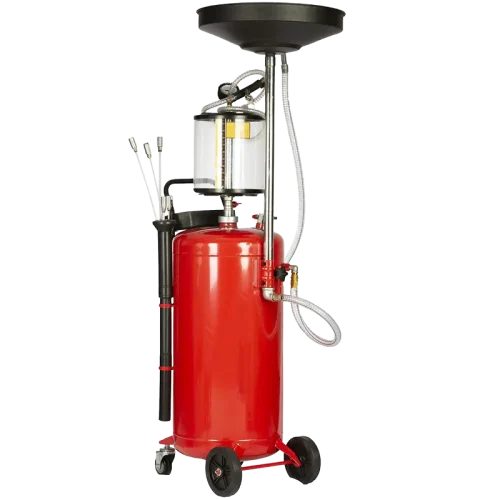
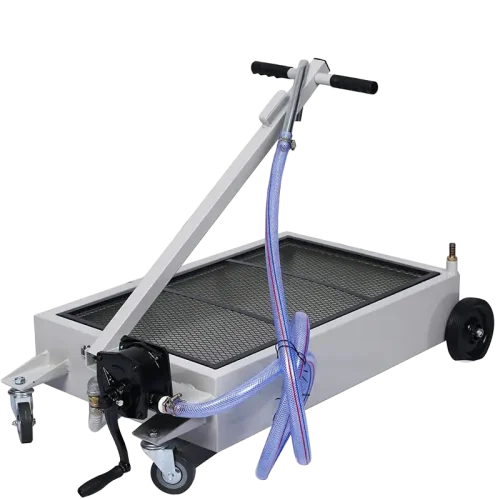
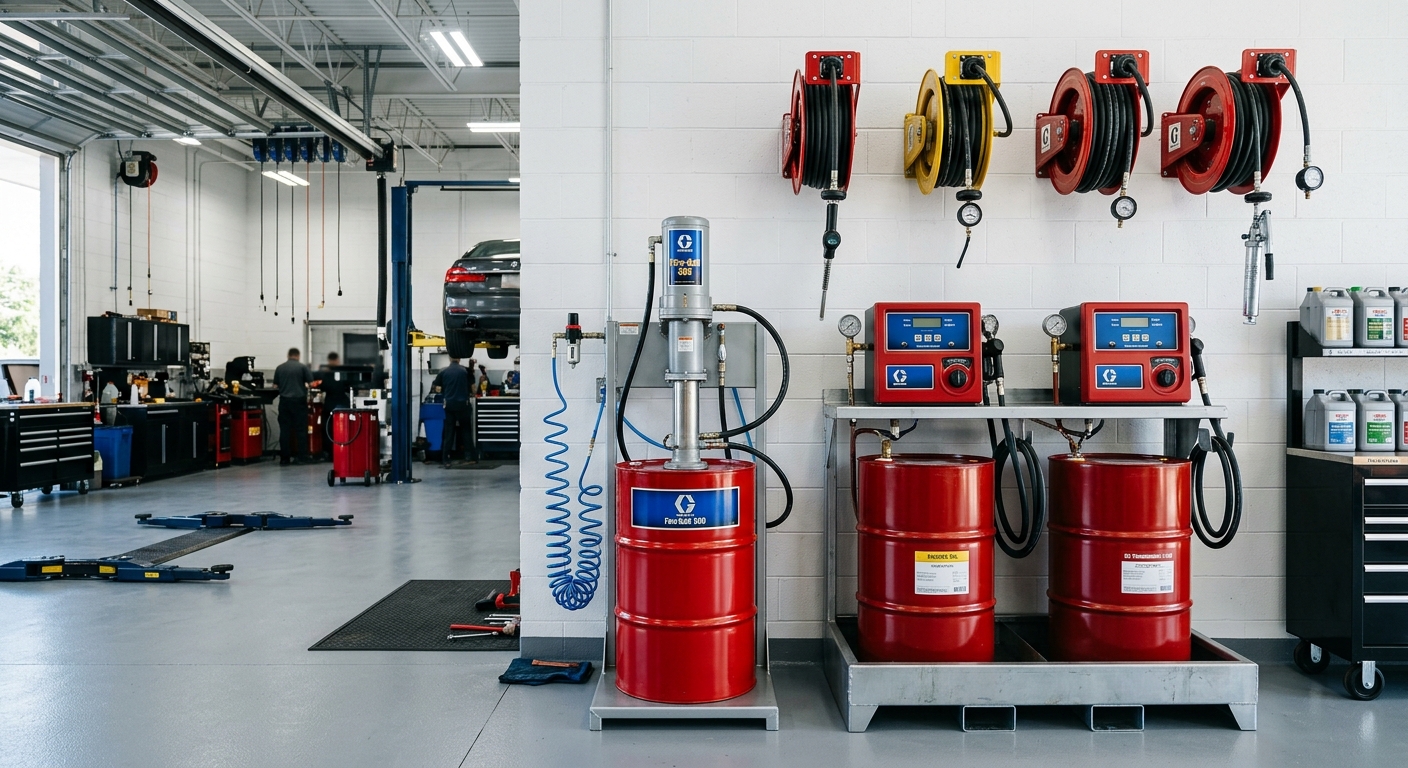
Oil changes, lubrication, brake-fluid service, coolant maintenance, and transmission-fluid replacement require dedicated equipment for collecting, transferring, dispensing, and replacing automotive fluids.
A typical lubrication and fluid service equipment list can include:
Waste oil drainer
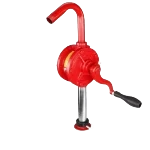
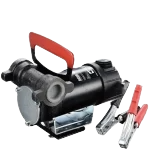
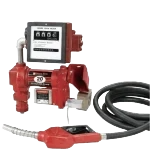
Oil pump and dispensing equipment
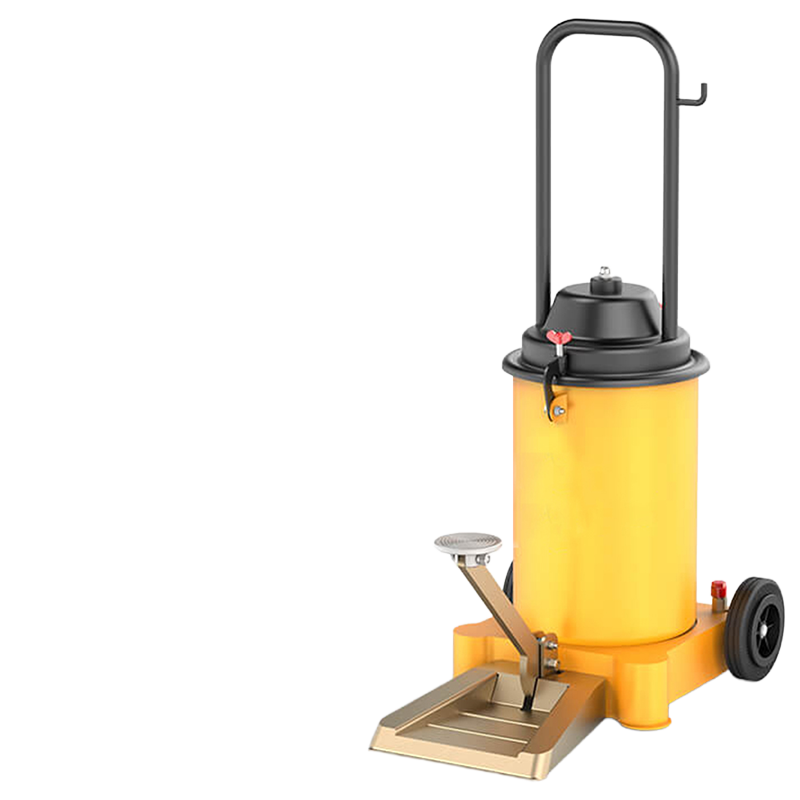
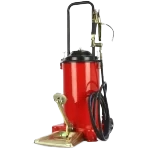
Pneumatic or manual grease pump
Brake bleeding equipment
Coolant filling and exchange equipment
ATF exchange machine for automatic transmission service
Grease pump selection should take into account service frequency, mobility requirements, grease container size, and whether compressed air is available in the workshop. The grease pump selection guide compares manual, air-operated, and electric systems for different workshop applications.
Lubrication and fluid-handling equipment supports routine oil, grease, brake, and transmission maintenance.
5. Engine and Transmission Service Equipment
Workshops that perform engine, clutch, gearbox, drivetrain, suspension, or component rebuilding work need additional lifting and support equipment beyond a standard vehicle lift.
Common engine and drivetrain service equipment includes:
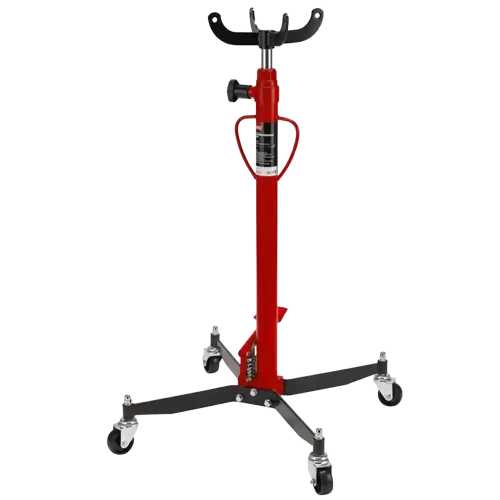
Transmission jack for supporting and positioning transmissions during removal and installation
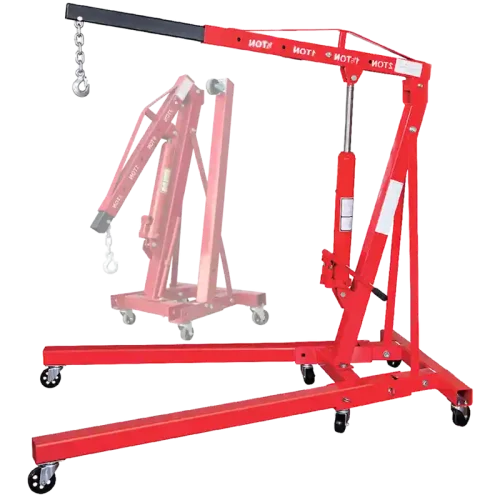
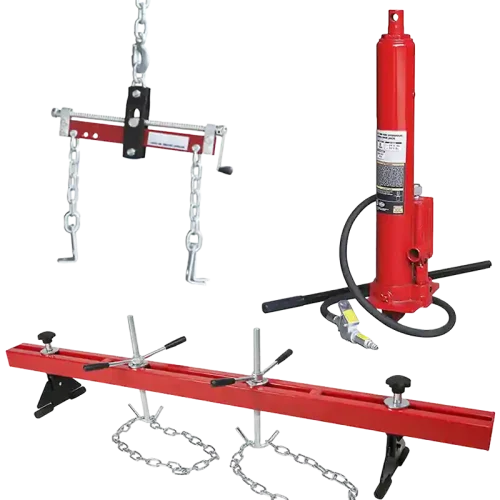
Engine crane for lifting engines and other heavy assemblies
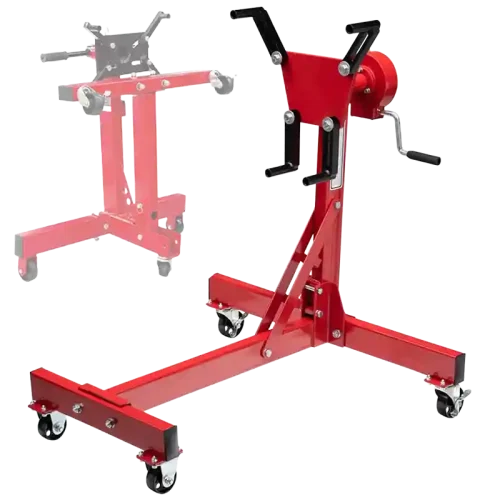
Engine stand for engine inspection and rebuilding
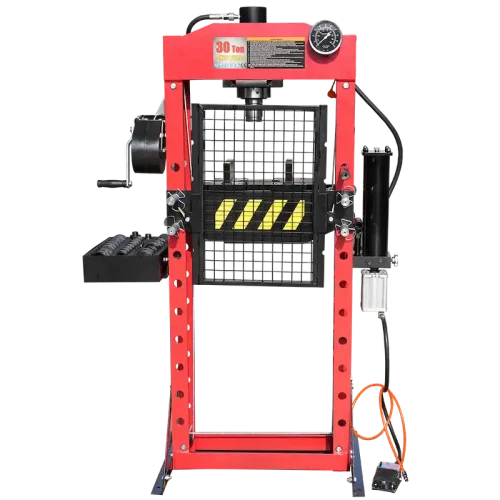
Hydraulic shop press for bearings, bushings, and press-fit components
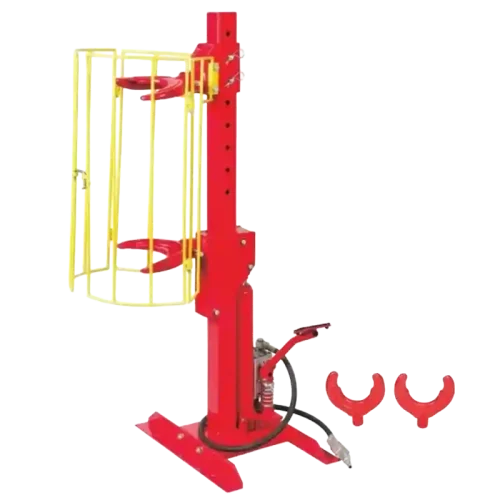
Spring compressor for suspension work
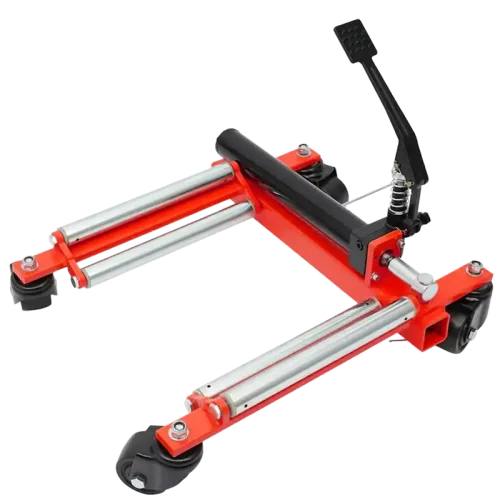
Vehicle dollies and component handling equipment
These tools may not be essential for a tire-only business or quick-service center, but they become increasingly important as a workshop expands into mechanical repair, drivetrain service, suspension work, and engine rebuilding.
6. Automotive A/C Service Equipment
Workshops offering automotive air-conditioning diagnostics, refrigerant recovery, evacuation, and charging need dedicated A/C service equipment suitable for the refrigerant types and vehicles they handle.
A typical A/C service station may include:
A/C refrigerant recovery and charging machine
Vacuum pump
Manifold gauge equipment
Electronic or UV refrigerant leak detection tools
Refrigerant handling and storage equipment
The exact configuration should match the refrigerants used in the vehicles you service and the applicable local handling requirements. Workshops planning to add A/C maintenance can explore the relevant machines within WSA Tools' automotive service equipment category.
Dedicated A/C service equipment is required for workshops providing refrigerant recovery, evacuation, and charging services.
7. Air Compressor, Pneumatic Tools, and Power Tools
A compressed-air system is an important part of many professional automotive workshops. Tire changers, pneumatic grease pumps, impact tools, blow guns, and other equipment may all rely on a stable supply of compressed air.
Instead of choosing an air compressor based only on tank size, calculate the airflow requirements of the equipment that may operate at the same time. The compressor, dryer, filters, piping, hoses, and regulators should be planned as one workshop system.
Common pneumatic and power tools include:
Impact wrenches
Air ratchets
Die grinders and cut-off tools
Tire inflators with pressure gauges
Cordless impact wrenches and ratchets
Electric drills and grinders
Calibrated torque wrenches
Many modern workshops use both pneumatic and cordless tools. Air-powered equipment remains useful for high-frequency or continuous applications, while cordless tools provide flexibility for routine mechanical work around the vehicle.
8. Workshop Hand Tools, Storage, and Workstations
Large machines are only part of a complete garage equipment list. Technicians also need organized workstations and reliable everyday hand tools to carry out repairs efficiently.
A practical mechanic shop equipment list should also include:
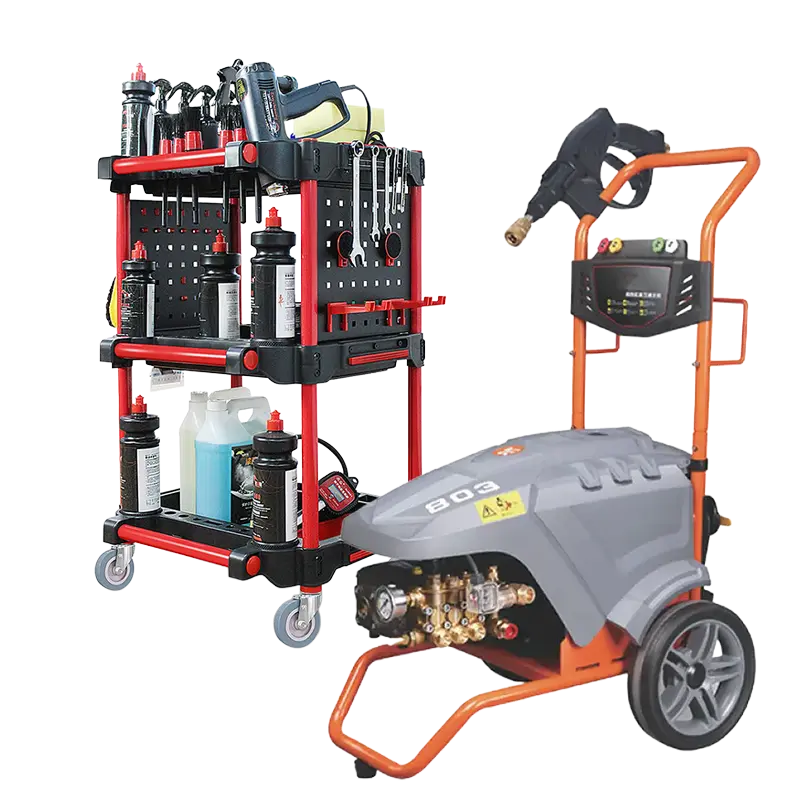
Rolling tool cabinets and technician toolboxes
Socket and ratchet sets
Combination wrench sets
Screwdrivers and pliers
Torque wrenches
Hammers and pry bars
Steel workbench with bench vise
Heavy-duty parts shelving
Parts washer
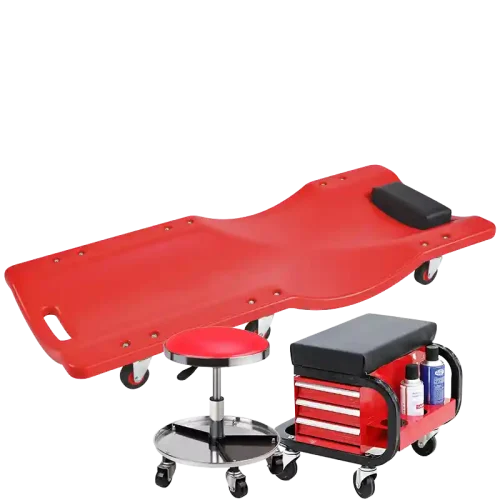
Mechanic creepers and workshop seats
Portable inspection, underhood, and underbody lighting
Workshop storage should be organized around daily workflow. Frequently used tools should stay close to each service bay, while larger shared equipment can be placed centrally where technicians can access it without interfering with vehicle movement.
9. Auto Body and Welding Equipment
General mechanical repair shops may only need basic welding and metal repair tools, while collision repair centers require a much broader range of specialized body shop equipment.
Depending on the services offered, auto body equipment may include:
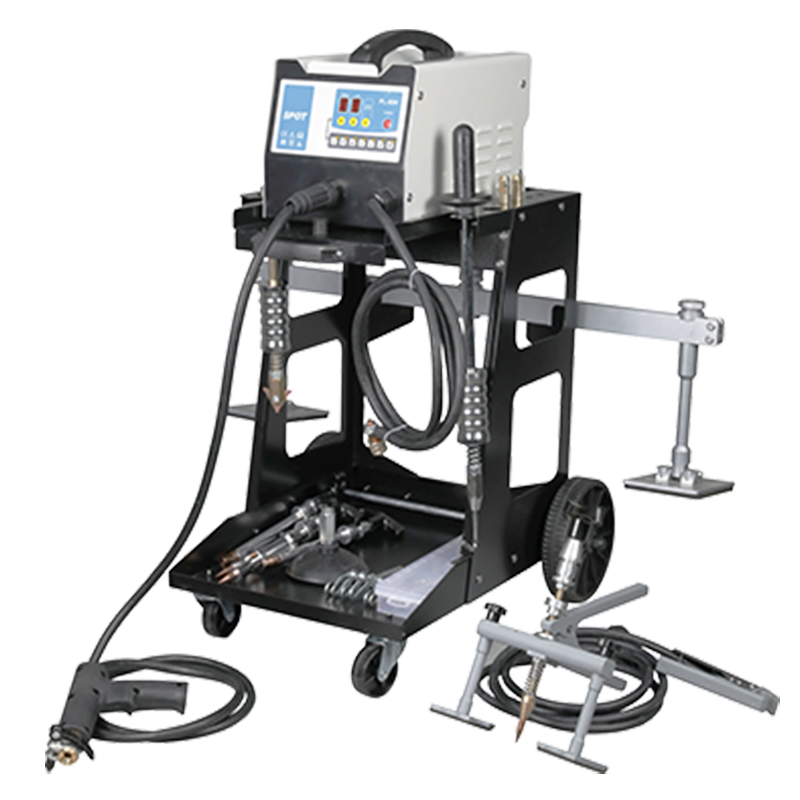
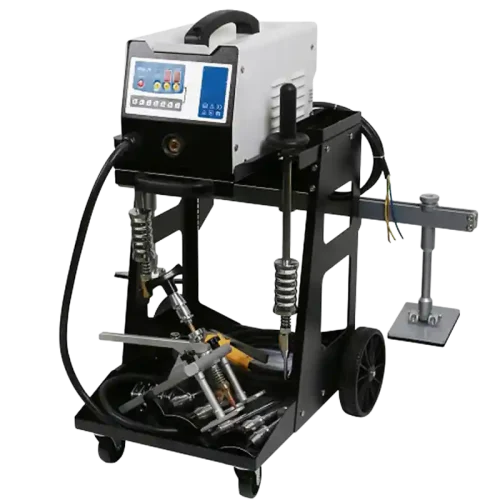
MIG or spot welding equipment
Dent pulling systems
Body hammers and panel repair tools
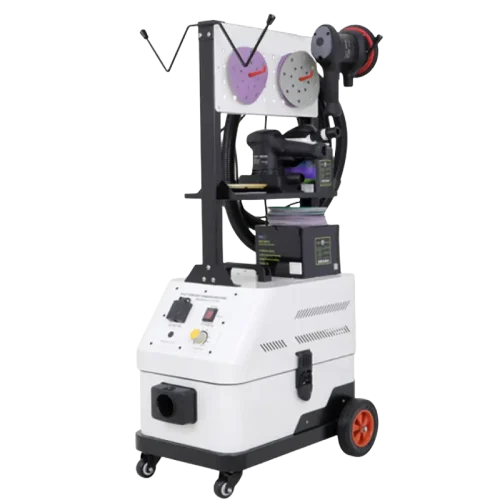
Automotive sanding equipment
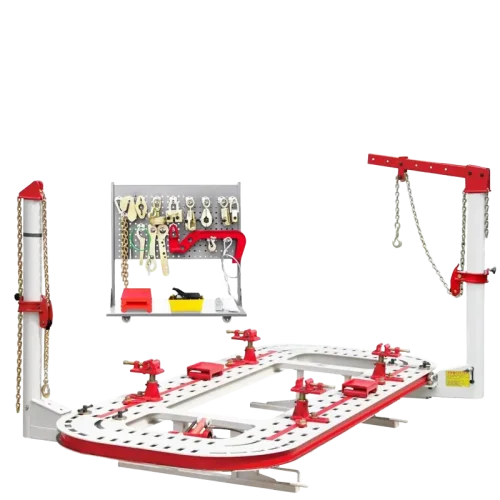
Frame straightening equipment
Grinding and metal preparation tools
Workshops specializing in collision and panel repair can explore WSA Tools' auto body shop equipment and tools. These machines should normally be treated as a separate specialty category rather than essential equipment for every general repair garage.
10. Workshop Safety Equipment
Safety equipment should be planned alongside workshop machinery rather than added only after the shop begins operating. Requirements vary by country and service type, but common automotive workshop safety equipment includes:
Appropriate fire extinguishers
Safety glasses and face protection
Protective gloves and footwear
First-aid equipment
Eye wash facilities where required
Spill containment and absorbent materials
Wheel chocks
Vehicle support equipment
Vehicle exhaust extraction or suitable workshop ventilation
Clearly marked emergency routes and safety signage
Vehicle lifting equipment should also be inspected and maintained regularly according to the equipment manufacturer's requirements and applicable workplace safety rules. See our hydraulic lift safety inspection guide for additional considerations when maintaining workshop lifting equipment.
Essential vs Optional Auto Repair Shop Equipment
The same equipment list does not apply to every automotive business. The table below provides a simple comparison of typical equipment priorities for three common workshop types.
Equipment
General Repair Shop
Tire Shop
Full-Service Workshop
Vehicle Lift
Essential
Recommended
Essential
Floor Jack & Jack Stands
Essential
Essential
Essential
Tire Changer
Recommended
Essential
Essential
Wheel Balancer
Recommended
Essential
Essential
Wheel Alignment System
Service-dependent
Recommended
Recommended
Diagnostic Equipment
Essential
Basic
Essential
Lubrication & Fluid Equipment
Essential
Basic
Essential
Transmission Jack & Engine Crane
Service-dependent
Usually optional
Recommended
A/C Service Equipment
Service-dependent
Usually optional
Recommended
Auto Body Equipment
Usually optional
Usually optional
Service-dependent
For a new workshop, the goal should not be to buy every machine available. Start with the equipment required for your core services, make sure your building and utilities can support it, and leave enough floor space and infrastructure capacity for future expansion.
How to Choose Equipment for an Auto Repair Shop
Before finalizing your auto repair shop equipment list, evaluate the following five factors.
1. Define Your Main Services
Start by listing the services your workshop will actually provide. General mechanical repair, tire service, wheel alignment, diagnostics, A/C maintenance, fleet service, and collision repair all require different equipment combinations.
2. Identify the Vehicles You Will Service
Passenger cars, SUVs, pickups, light commercial vehicles, trucks, buses, and motorcycles have different lifting capacities, wheel dimensions, diagnostic requirements, and maintenance needs. Your equipment should match your expected vehicle mix.
3. Check Workshop Space Before Ordering
Measure bay width, ceiling height, door access, equipment footprints, vehicle entry paths, and technician working clearance before selecting large machines. Also plan compressed-air lines, electrical supply, fluid storage, drainage, lighting, and ventilation.
Two workshops servicing similar vehicles may still require different equipment specifications if their daily workloads differ. Consider expected service volume, technician count, operating hours, and whether multiple machines may need to operate at the same time.
5. Plan for Future Expansion
A workshop may begin with basic mechanical maintenance and later add tire service, wheel alignment, A/C maintenance, advanced diagnostics, or heavy-duty vehicle repair. Planning space and utilities for future equipment can make expansion easier than redesigning the entire workshop later.
Auto Repair Shop Equipment Checklist by Setup Stage
Equipment can also be prioritized by the stage of your workshop development.
Core Equipment for Starting Operations
Vehicle lift or suitable lifting equipment
Floor jack and jack stands
Hand tools and torque tools
Automotive diagnostic equipment
Air compressor and essential pneumatic tools
Oil and basic fluid service equipment
Tool storage and workbench
Workshop safety equipment
Equipment to Add Based on Service Demand
Tire changer
Wheel balancer
Wheel alignment system
A/C recovery and charging equipment
Transmission jack
Engine crane and engine stand
ATF exchange and specialized fluid service machines
Specialty Equipment for Expanded Workshop Services
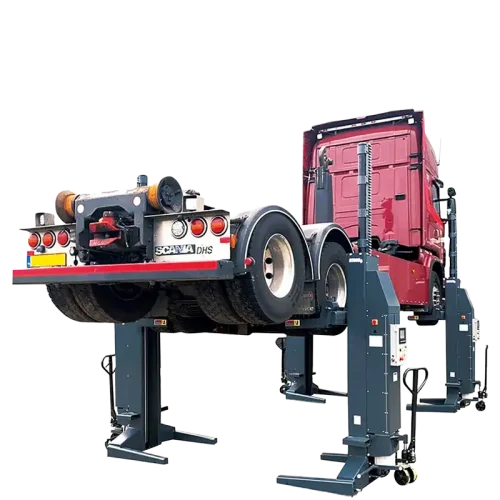
Heavy-duty vehicle lifting equipment
Truck tire changers and heavy-duty wheel balancers
Advanced wheel alignment systems
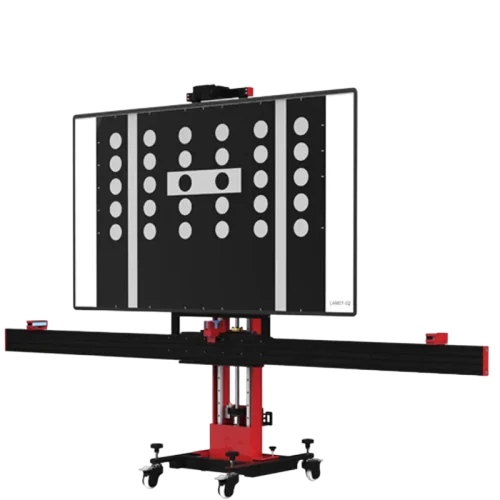
ADAS calibration equipment
Auto body and collision repair equipment
Specialized engine and drivetrain repair machinery
This staged approach helps keep the equipment plan aligned with actual workshop services instead of filling valuable floor space with machines that are rarely used.
Frequently Asked Questions About Auto Repair Shop Equipment
What equipment is needed for an auto repair shop?
Most auto repair shops need vehicle lifting equipment, floor jacks and jack stands, automotive diagnostic tools, hand and power tools, an air compressor, lubrication and fluid service equipment, workshop storage, and safety equipment. Tire changers, wheel balancers, wheel alignment systems, A/C machines, and engine service equipment depend on the services the workshop provides.
What is the most important equipment for a new mechanic shop?
For a general mechanical repair shop, the main priorities are usually safe vehicle lifting equipment, floor jacks and jack stands, reliable hand and power tools, automotive diagnostics, compressed-air infrastructure, and basic oil and fluid service equipment. The final setup should always match the vehicles and services the workshop plans to handle.
Does every auto repair shop need a tire changer and wheel balancer?
No. Workshops that provide tire replacement and wheel balancing in-house should have dedicated tire service equipment. A garage that does not initially offer tire services may treat these machines as expansion equipment rather than essential startup purchases.
Does a new repair shop need a wheel alignment machine?
Not necessarily. Wheel alignment equipment is most relevant for workshops that regularly perform tire, suspension, steering, chassis, or alignment services. It also requires suitable floor space and should be planned together with an appropriate alignment bay or lifting platform.
What diagnostic equipment does an auto repair shop need?
A basic professional diagnostic setup may include an automotive diagnostic scanner, battery tester, multimeter, charging-system tester, and leak detection equipment. Workshops handling more advanced electrical systems or commercial vehicles may require additional diagnostic capabilities.
How do I choose the right vehicle lift for my repair shop?
Choose a vehicle lift based on vehicle weight, vehicle dimensions, service type, available bay space, ceiling height, floor conditions, and technician workflow. Two-post lifts are commonly used for general mechanical service, while four-post and scissor lifts can be better suited to other workshop applications.
How should I choose automotive workshop equipment?
Choose automotive workshop equipment according to five main factors: the services you offer, the vehicles you handle, available workshop space, expected daily workload, and future expansion plans. Large machines should also be checked for installation requirements, utilities, safety features, spare parts availability, and technical support before purchase.
Build the Right Automotive Workshop Equipment Setup
A complete auto repair shop equipment list is not about buying every machine available. It is about building a practical workshop system around the vehicles you service and the work your technicians perform every day.
Start with safe vehicle lifting, reliable workshop tools, diagnostics, and the equipment required for your core maintenance services. Tire and wheel machines, alignment systems, A/C service equipment, engine handling tools, and other specialized systems can then be added according to your workshop's actual service scope.
Yes. We provide OEM and ODM services, including logo printing, custom colors, packaging design, and product specification adjustments. Available options depend on the product type and order quantity.
What is your minimum order quantity (MOQ)?
MOQ requirements vary by product. Most standard products are available in flexible quantities, while customized branding, packaging, or product development may require a minimum order. Contact us with the product model and required quantity for confirmation.
Do you offer samples?
Samples or trial orders are available for most product categories. Sample charges and refund terms depend on the selected product and will be confirmed before ordering.
Which ports do you ship from?
We can arrange shipment from major ports in China, including Shanghai, Ningbo, Shenzhen, and Qingdao. The final port will be selected according to the product location and shipping arrangement.
Which trade terms do you support?
We support EXW, FOB, CIF, and other standard international trade terms. The available option will be confirmed in your quotation based on the order and destination.
Can you supply products beyond your catalog?
Yes. If you cannot find the required automotive tool or workshop equipment in our catalog, send us your specifications, target quantity, and application. Our team can help identify and source a suitable solution.