How Fuel Injector Testers Work: Ultrasonic Cleaning, Flow Testing, and Spray Patterns
A fuel injector tester is a bench unit that does three jobs: it cleans injectors ultrasonically using high-frequency sound waves, and it sits alongside the rest of a workshop's automotive testing equipment for engine performance checks. Together these three functions tell you whether an injector should go back on the engine, be cleaned again, or be replaced — without guessing from a misfire code.
Below we break down what's actually happening inside the machine, the numbers that matter, and how to read the results like a diagnostic technician rather than a parts swapper.
What a Fuel Injector Tester Actually Does
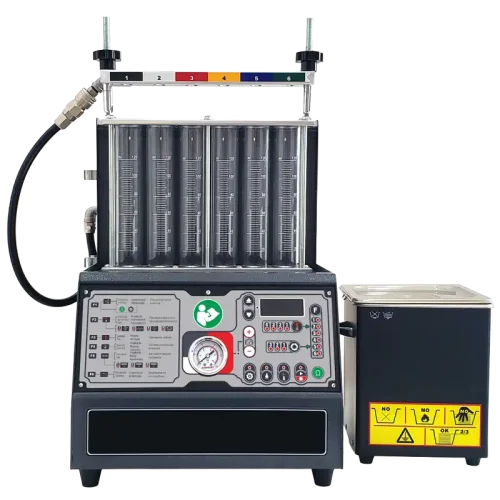
Most bench testers combine three modules in one frame: an ultrasonic tank, a pulse controller, and a set of graduated measuring cylinders fed by a fuel rail. The injectors mount on the rail, the pump pressurizes calibration fluid to a set pressure (usually 3 bar for port injection, higher for some applications), and the controller fires the injectors with programmable pulse widths and frequencies.
That's the trick — the tester simulates engine conditions without an engine. You can run idle pulses, full-load pulses, leak-down checks, and uniformity tests in sequence. A four-cylinder set takes about 20 minutes from mount to verdict. Compare that to chasing a lean misfire on the car with a scanner, and the bench wins on time almost every time.
Fuel injectors mounted on a test bench fuel rail with calibration fluid filling measuring cylinders
Ultrasonic Cleaning: The Physics Behind the Bubbles
Ultrasonic cleaning works through cavitation. A transducer bonded to the tank wall vibrates at 35–45 kHz, generating microscopic vacuum bubbles in the cleaning solution. When those bubbles collapse against the injector surface, they release localized energy that scrubs varnish, carbon, and gum from the pintle, seat, and internal screen.
Two things matter for results: fluid temperature and concentration. A bath warmed to 40–60 °C dissolves deposits faster — the cavitation does the mechanical work, the heat speeds up the chemistry. Run injectors energized during the cleaning cycle so the pintle opens and lets fluid wash the internal passages. A stuck-closed injector cleaned without pulsing is just a polished exterior.
For example, a workshop diagnosing a rough-idling 2.0L sedan with 180,000 km might pull all four injectors, find one flowing 12% low, run a 15-minute ultrasonic cycle with pulse activation, and recover the injector to within 3% of the others. That's a 30-dollar cleaning job instead of a 400-dollar injector set.
Ultrasonic cleaning tank with fuel injectors submerged in cavitating solution
Flow Testing: What the Graduated Cylinders Tell You
Flow testing answers one question: does each injector deliver the same volume of fluid under the same electrical pulse? The tester fires all injectors simultaneously with identical pulse width (say, 5 ms at 50 Hz for 30 seconds) and you read the fluid level in each measuring cylinder.
The pass criterion in most shops is ±5% across the set. Anything outside that, and cylinder-to-cylinder air-fuel ratios start to drift enough to show up as long-term fuel trim deviation or a P0300-series misfire. Modern injectors leave the factory closer to ±2%.
Cruise simulation: mid pulse width — the most common operating range
Full-load simulation: wide pulse width, high frequency — exposes weak coils or sticky pintles
Static leak test: pressurized rail, no pulse, 60 seconds — any drip means a failed seat
A common mistake is judging an injector on a single test mode. An injector can flow perfectly at idle and fail at full load because its winding heats up and resistance climbs. Run the full sequence.
This is the visual test, and it's the one technicians underrate. A healthy port injector produces a symmetric cone or twin-jet pattern with fine atomization — no streams, no drips, no asymmetric arcs. You watch it through the clear viewing window while the injector pulses.
Four failure patterns to recognize:
Solid stream instead of mist: partial pintle blockage or worn tip
Asymmetric cone: deposits on one side of the spray orifice
Post-pulse dribble: seat leak — usually means replacement, not cleaning
Wide angle deviation: internal damage, often from contaminated fuel
An injector can pass flow testing within tolerance and still fail spray pattern. Volume tells you how much fuel got through; pattern tells you how well it mixed with air. Both matter for combustion quality, emissions, and detonation margin.
Fuel injector spray pattern showing fine atomized cone
Pulse Width, Frequency, and Why They Matter
The pulse controller is the brain of the tester. Pulse width (in milliseconds) controls how long the injector stays open per cycle — this is what an ECU varies in real driving. Frequency (in Hz or RPM equivalent) controls how often the pulse repeats.
Typical test ranges:
Idle: 2–3 ms pulse, 10–15 Hz
Cruise: 4–6 ms pulse, 30–50 Hz
WOT: 8–12 ms pulse, 60–100 Hz
Direct injection: shorter pulses, higher pressures — requires a DI-capable tester
If your tester only offers one or two preset programs, you're missing data. Look for adjustable pulse width down to 0.5 ms increments and frequency control across the full RPM-equivalent range. This matters more on modern direct-injection engines where injector dwell time is measured in fractions of a millisecond.
Calibration Fluid vs Real Gasoline
Never use gasoline in a bench tester. It's a fire hazard and it leaves its own deposits. Calibration fluid (sometimes labeled as injector test fluid or Stoddard solvent variants) has viscosity and surface tension similar to gasoline, allowing flow readings to translate meaningfully to real-world fuel delivery.
Change the fluid when it darkens visibly or after about 40–50 cleaning cycles. Contaminated fluid skews flow readings low and can recontaminate freshly cleaned injectors. A small workshop running two or three sets a week typically replaces fluid monthly.
Interpreting Results: When to Clean, When to Replace
Use the three test outputs together. Here's how an experienced technician calls the verdict:
Flow within ±5%, clean spray, no leak → reinstall, no action needed
Flow low, spray streaky, no leak → ultrasonic clean, retest
Flow recovers after cleaning → serviceable, reinstall with new O-rings and filter baskets
Flow stays out of spec after two cleaning cycles → replace
Any post-pulse dribble → replace (cleaning won't fix a worn seat)
Coil resistance out of OEM range → replace, regardless of flow
Always replace O-rings, pintle caps, and filter baskets before reinstalling. A perfectly clean injector with a torn O-ring will create an intake vacuum leak that masks the work you just did.
Where Injector Testing Fits in Workshop Diagnostics
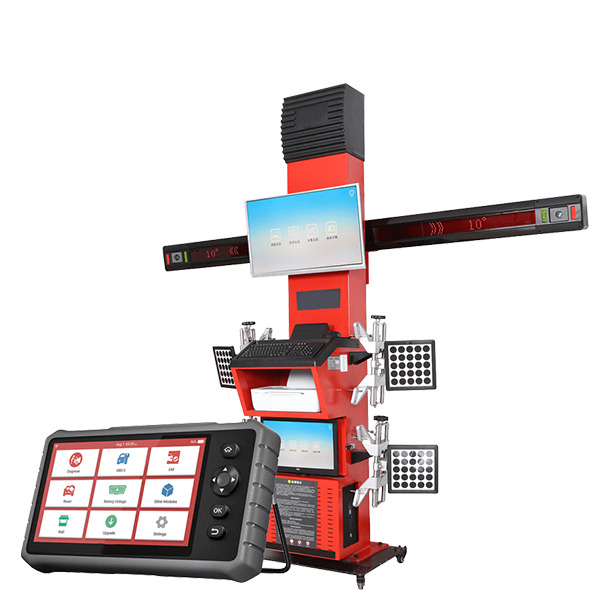
Injector testing isn't a first step — it's a confirmation step. Start with a scanner pulling fuel trims, misfire counters, and live injector pulse width data. A capable diagnostic scanner will narrow the suspect cylinders before you ever pull the rail.
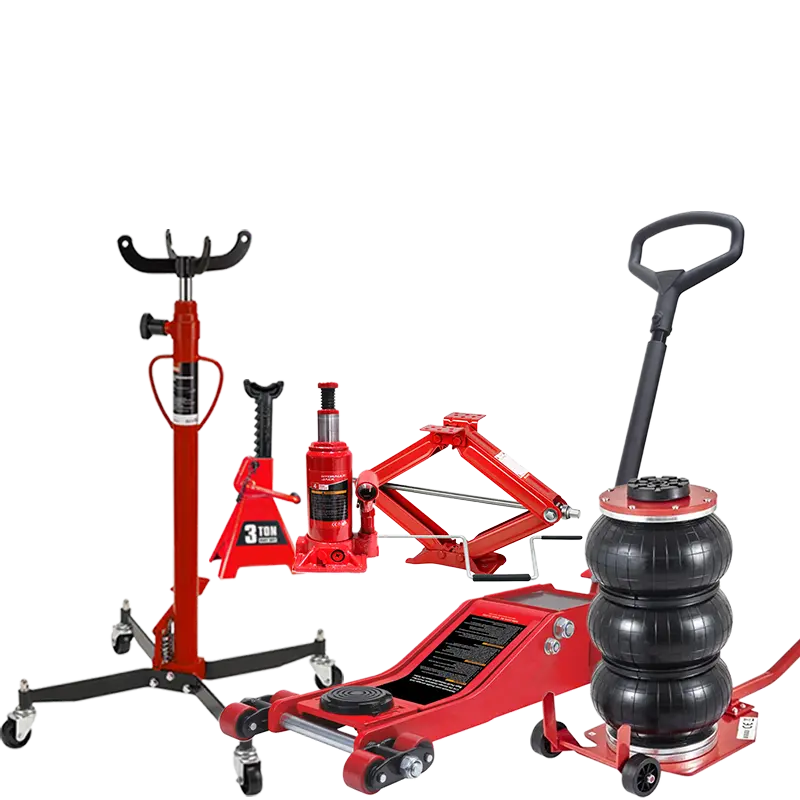
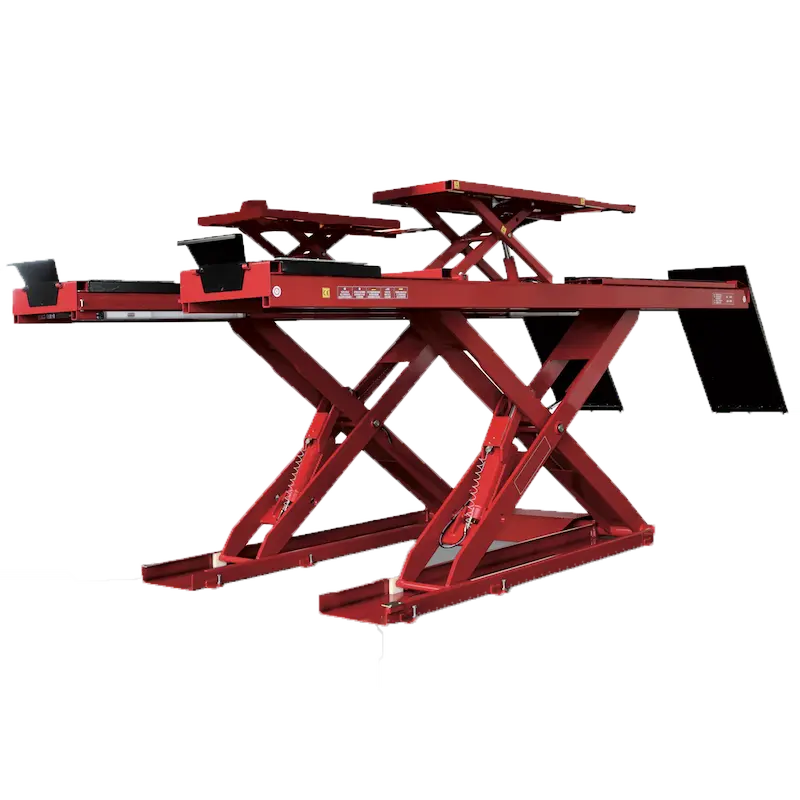
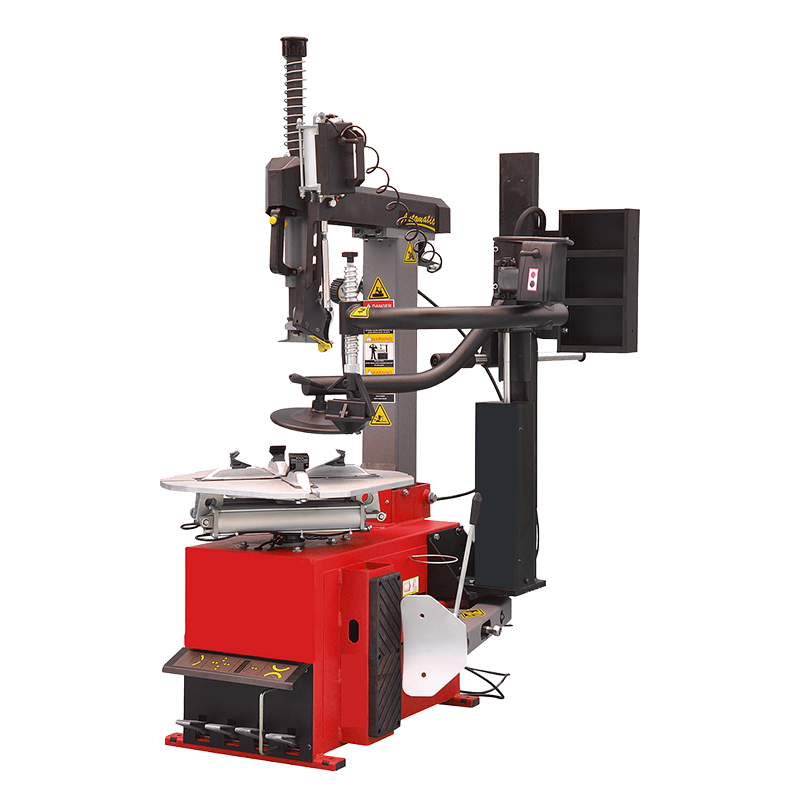
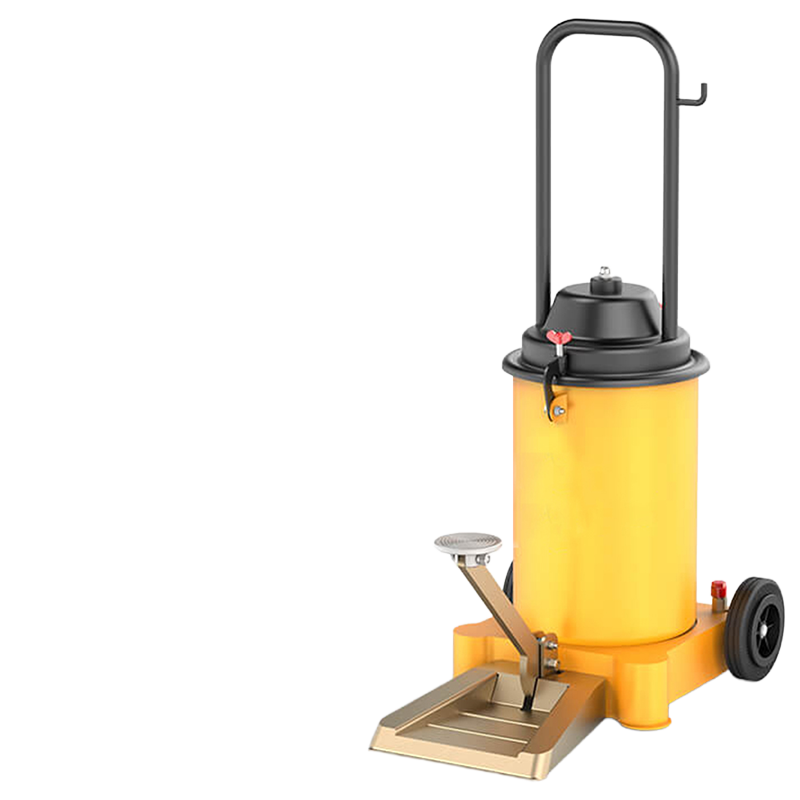
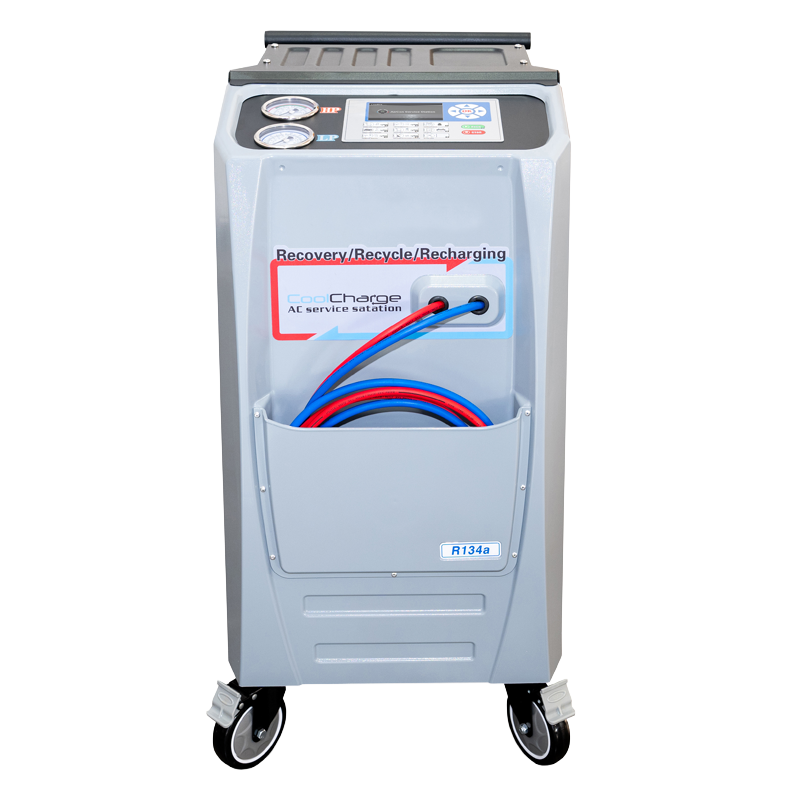
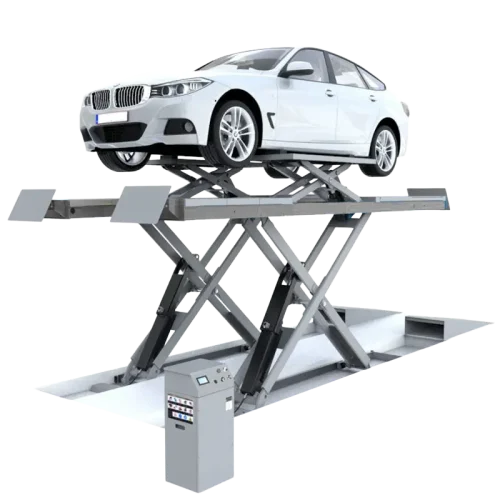
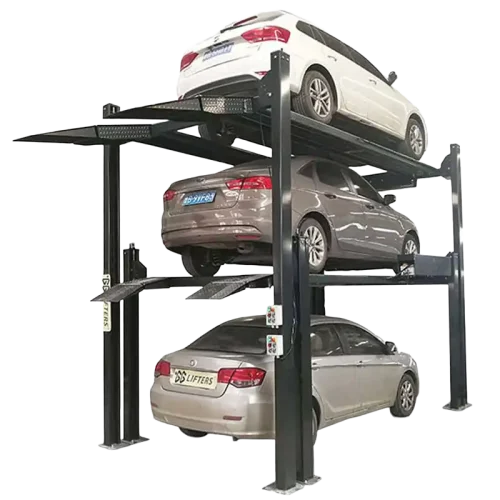
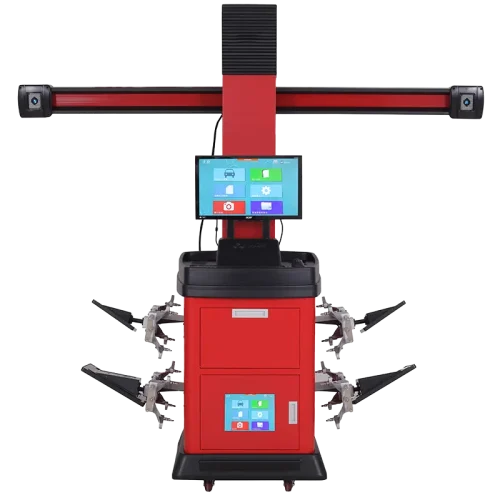
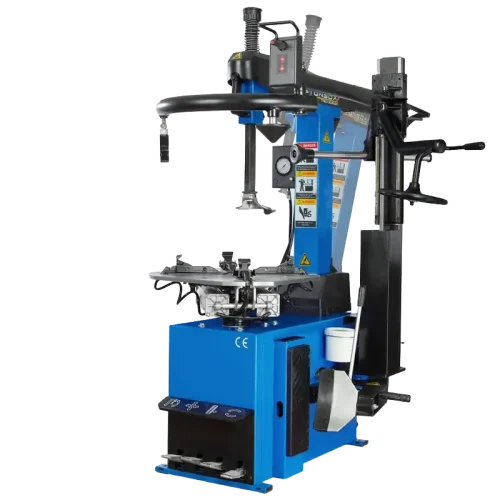
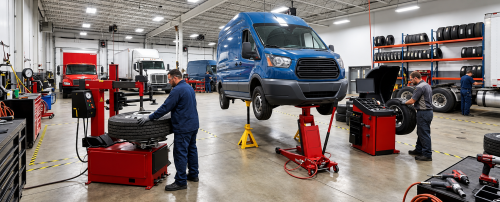
For a shop building out injector service as a revenue line, the typical equipment stack looks like this: a scanner for in-car diagnosis, a fuel pressure gauge set, the injector tester bench, and the consumables (fluid, O-ring kits, filter baskets). If you're outfitting a new bay from scratch, our new workshop equipment list covers how injector service equipment fits alongside lifts, tire machines, and lubrication tools.
Injector cleaning service is one of the higher-margin jobs a general repair shop can offer — low consumable cost, fast turnaround, and a measurable result the customer can see on the bench display before pickup.
Choosing a Tester for Your Workshop
Match the tester to the vehicles you actually service. Key spec points to compare:
Injector capacity: 4-cylinder benches are cheapest; 6 or 8 positions suit shops doing pickups, SUVs, and performance work
Pressure range: 0–8 bar covers port injection; direct injection needs dedicated high-pressure units
Pulse programmability: manual presets only vs full programmable control
Ultrasonic frequency: single-frequency vs sweep frequency (sweep reaches deeper into complex geometry)
Tank heating: heated baths clean faster and more thoroughly
Display: analog cylinders are reliable; digital flow meters add data logging
For a general repair shop, a six-position heated ultrasonic tester with programmable pulse control and sweep-frequency cleaning handles 95% of port injection work. Add a separate high-pressure DI tester only if you regularly service direct-injection engines.
Browse the full workshop equipment catalog for injector testers and related diagnostic gear, or get in touch if you'd like help matching specifications to your daily workload.
Yes. We provide OEM and ODM services, including logo printing, custom colors, packaging design, and product specification adjustments. Available options depend on the product type and order quantity.
What is your minimum order quantity (MOQ)?
MOQ requirements vary by product. Most standard products are available in flexible quantities, while customized branding, packaging, or product development may require a minimum order. Contact us with the product model and required quantity for confirmation.
Do you offer samples?
Samples or trial orders are available for most product categories. Sample charges and refund terms depend on the selected product and will be confirmed before ordering.
Which ports do you ship from?
We can arrange shipment from major ports in China, including Shanghai, Ningbo, Shenzhen, and Qingdao. The final port will be selected according to the product location and shipping arrangement.
Which trade terms do you support?
We support EXW, FOB, CIF, and other standard international trade terms. The available option will be confirmed in your quotation based on the order and destination.
Can you supply products beyond your catalog?
Yes. If you cannot find the required automotive tool or workshop equipment in our catalog, send us your specifications, target quantity, and application. Our team can help identify and source a suitable solution.