86-1506-1936-695
Pneumatic Tyre Bead Seaters

Explore pneumatic tyre bead seaters in ball-valve, pneumatic-valve, portable, pistol-type and vertical designs. Choose from multiple tank capacities and material options for professional tyre service.

Tyre Bead Seating Solutions for Professional Workshops

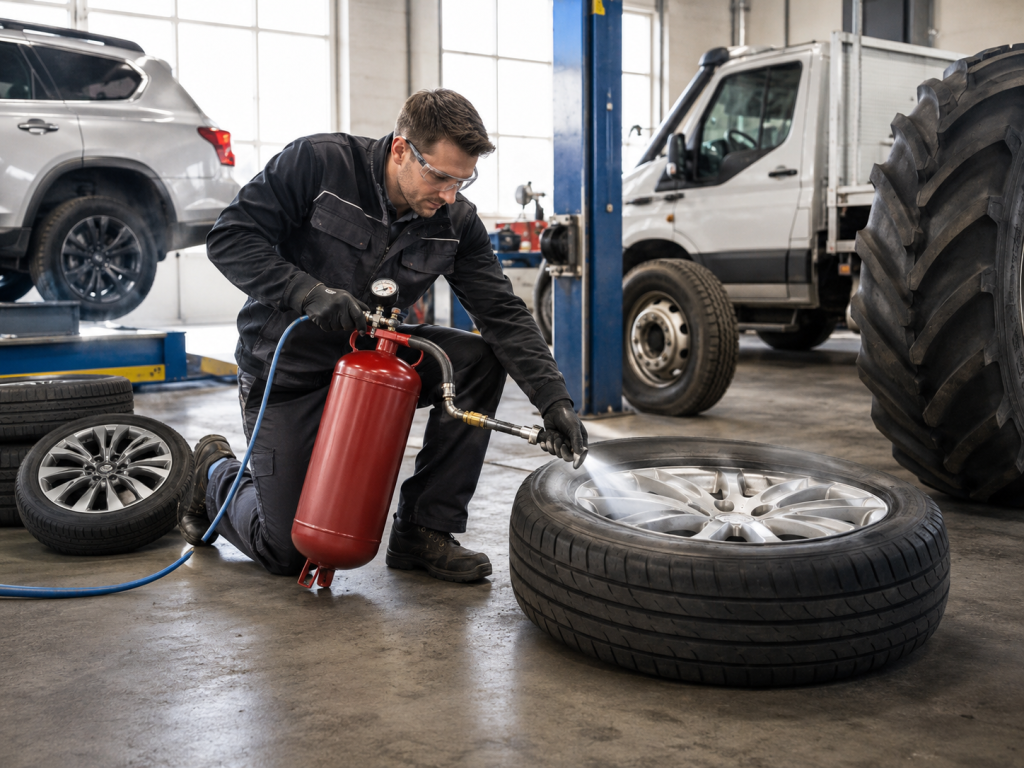
A tyre bead seater is used when a newly mounted tyre does not immediately form an airtight seal against the wheel rim during conventional inflation.

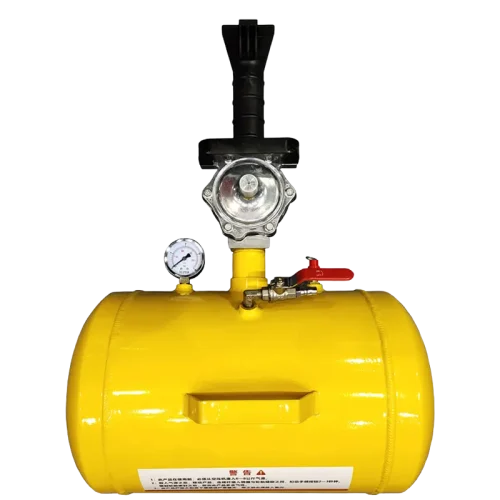
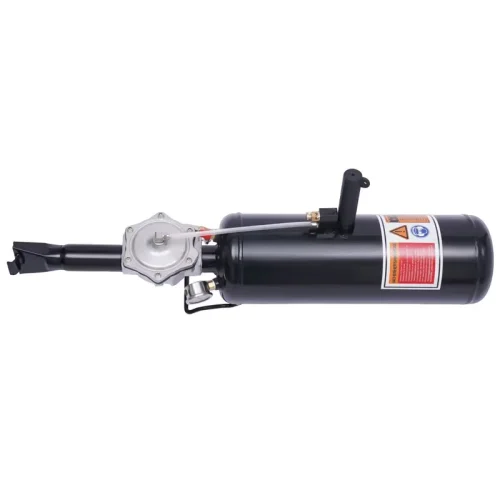
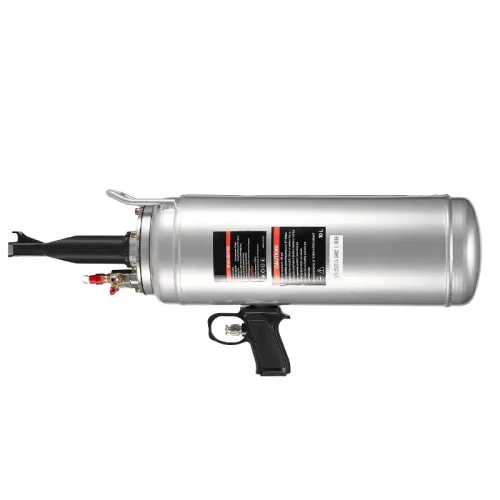
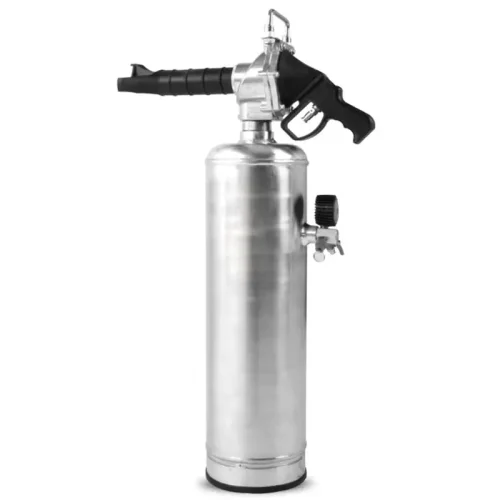
The tank stores compressed air and releases it through a discharge nozzle in a short, concentrated burst. This airflow enters the gap between the tyre bead and rim, helping move the bead outward and establish the initial seal required for further inflation.

A bead seater does not replace a tyre changer or normal inflation equipment. It supports the bead-seating stage after mounting, while final inflation should be completed with an appropriate tyre inflator according to the tyre or vehicle manufacturer’s specified pressure.

Tyre Bead Seater Model Comparison

Model Configuration Tank Capacity Available Materials
TR3000 Ball valve 5 / 7.5 / 10 gallons Steel / aluminium / stainless steel
TR3010 Pneumatic valve 5 / 7.5 / 10 gallons Steel / aluminium / stainless steel
TR3100 Portable tank 5 gallons Steel / aluminium / stainless steel
TR3200 Pistol type 6L / 9L / 12L Steel / aluminium
TR3300 Vertical tank 9L / 12L Steel / aluminium / stainless steel

Actual product compatibility, working pressure, valve configuration, accessories and packaging should be confirmed before ordering.

How to Choose a Tyre Bead Seater

Valve Type

Ball-valve models provide a straightforward manually operated configuration. Pneumatic-valve and pistol-type models offer alternative operating arrangements for buyers with different workshop procedures or operator preferences.

The appropriate option should be selected according to the intended application, required airflow, operating method and applicable market requirements.

Tank Capacity

Smaller tanks are generally easier to carry, store and use in mobile service environments. Larger tanks hold a greater volume of compressed air and may be selected for tyre and wheel combinations that require greater airflow.

Tank capacity alone does not determine whether a bead seater is suitable. Tyre construction, rim dimensions, nozzle design, discharge characteristics and the equipment’s approved operating pressure must also be considered.

Tank Material

Steel is a conventional and robust option for general workshop use.

Aluminium reduces overall equipment weight, which can make the bead seater easier to carry between service bays or transport for mobile tyre service.

Stainless steel provides increased corrosion resistance and may be considered for humid, coastal or demanding working environments.

Material availability varies by model. Exact material grade, tank construction and surface treatment should be confirmed during the quotation process.

Product Layout

Portable and pistol-type models are useful where technicians need to move the tool frequently. Vertical models provide an upright configuration that may be more convenient for certain workshop layouts.

Traditional horizontal tank models remain a familiar option for general tyre shops and equipment distributors.

Typical Applications

Depending on the selected model and verified compatibility, pneumatic tyre bead seaters may be used by:

  1. Passenger-car and SUV tyre shops
  2. Automotive repair garages
  3. Light-commercial vehicle service centres
  4. Truck and fleet maintenance workshops
  5. Agricultural and equipment maintenance facilities
  6. Mobile and roadside tyre service providers
  7. Automotive equipment distributors
  8. Workshop-equipment importers and wholesalers

The specific tyre sizes and wheel types supported must be confirmed from the selected product specification. Universal compatibility should not be assumed.

Important Operating and Safety Considerations

A charged tyre bead seater is a pressure vessel and should only be operated by trained personnel following the product manual and applicable workplace regulations.

Before each use, inspect the tank, pressure gauge, hose, valves, fittings and discharge nozzle. Do not use the equipment if any part is damaged, leaking, excessively corroded or improperly modified.

Operators should:

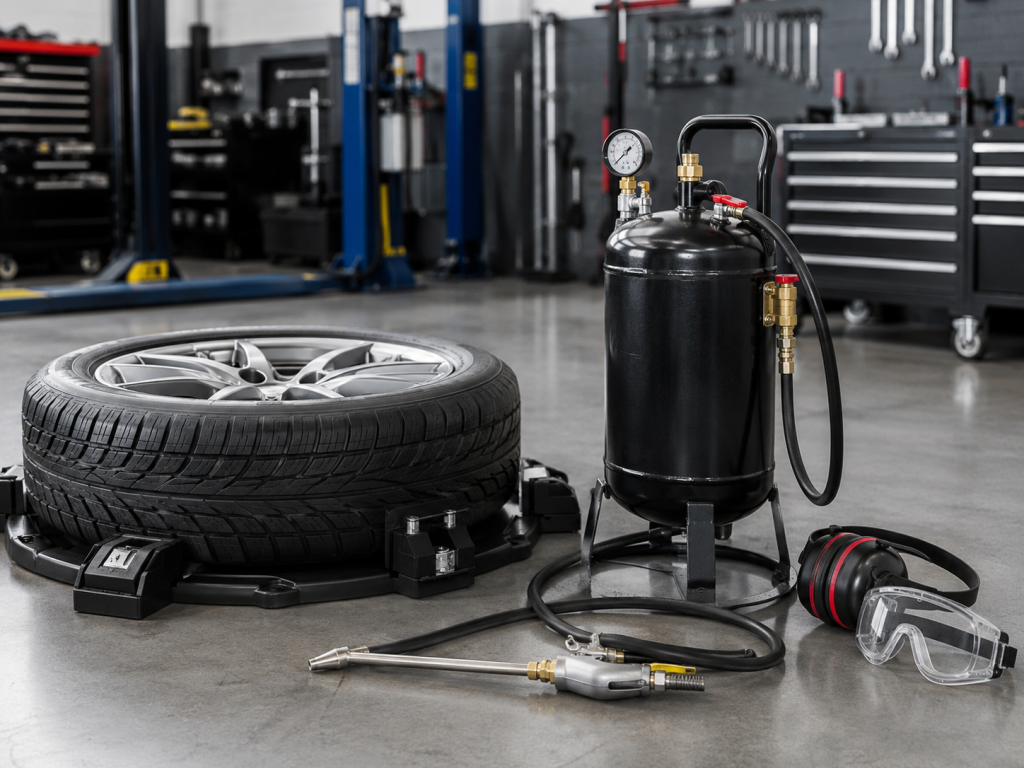
  1. Wear suitable eye and hearing protection.
  2. Keep other people away from the operating area.
  3. Secure the tyre and wheel before discharging air.
  4. Keep hands and other body parts away from the bead area.
  5. Never direct the discharge nozzle towards a person.
  6. Never exceed the pressure marked on the equipment.
  7. Use only approved fittings, valves and replacement components.
  8. Fully release tank pressure before inspection, maintenance or storage.

After the tyre bead has seated, use appropriate tyre inflation equipment to complete inflation and adjust the pressure to the tyre or vehicle manufacturer’s specification.

FAQs

What is the difference between a tyre bead seater and a tyre bead breaker?
A tyre bead breaker separates the tyre bead from the rim before the tyre is removed. A tyre bead seater is used after mounting to help establish the initial seal between the tyre bead and rim.
Does a bead seater fully inflate a tyre?
No. A bead seater provides a short burst of high-volume air to help seat the bead. Final inflation and pressure adjustment should be completed with suitable tyre inflation equipment.
Which tyre bead seater tank size should I choose?
The correct tank size depends on the tyre and wheel range, required portability, workshop space and service frequency. No tank size should be selected solely because it is larger; the complete equipment specification and application must be reviewed.
Is an aluminium tank better than a steel tank?
Neither material is suitable for every buyer. Steel provides a robust conventional option, while aluminium reduces carrying weight. Stainless steel may be preferred where additional corrosion resistance is required.
Can one bead seater be used for every tyre?
No. Compatibility depends on factors such as tyre dimensions, tyre construction, rim design, bead condition, nozzle shape, airflow and equipment rating. Confirm your target tyre and wheel range before ordering.
What information should I provide when requesting a quotation?
Please provide your preferred model, valve type, tank capacity, material, estimated order quantity and destination market. You should also mention any branding, packaging, air-connection, certification or documentation requirements.

Can't Find your Product? Download our Catalogue