86-1506-1936-695
Car Wheel Balancer

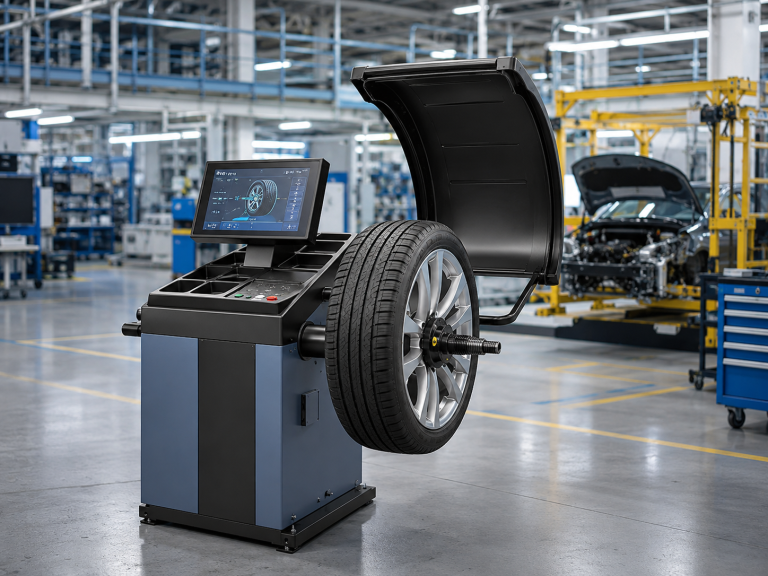
Car wheel balancers are designed for accurate wheel balancing on passenger cars, SUVs, and light vehicles, and work alongside tyre inflators as part of a complete wheel-service bay.

Wheel Balancing Equipment for Different Workshop Levels

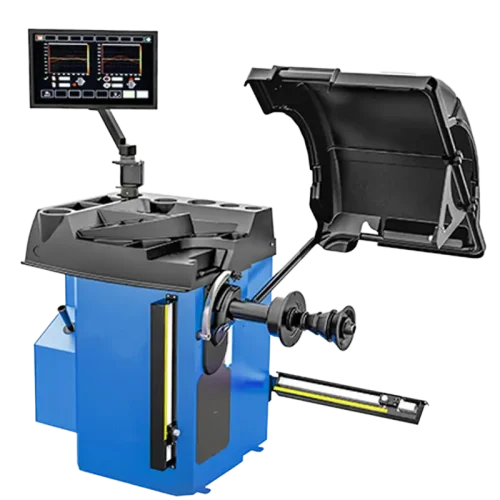
This wheel balancer range covers economic models, standard workshop machines, and advanced touch-screen systems to support different service volumes and wheel specifications.

  • Entry-Level Balancing

    Suitable for basic wheel balancing tasks, offering reliable performance for everyday passenger car service.

  • Advanced Balancing Systems

    Designed for higher accuracy and efficiency, supporting wider rim ranges, heavier wheels, and automated measurement functions.

Balancing Different Wheel Types

Passenger Car & SUV Wheels

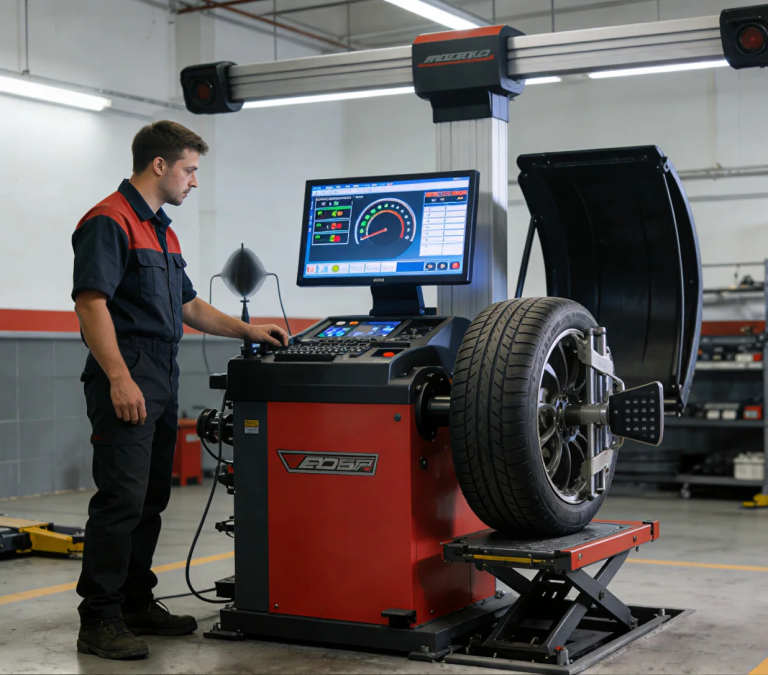
Wheel balancers are used to measure imbalance and guide precise weight placement on passenger car and SUV wheels. Automated measurement features help improve accuracy and reduce setup time during daily operations.

Specialty & Motorcycle Wheels

With optional motorcycle adapters and lifting accessories, wheel balancers can also support balancing of motorcycle wheels and special wheel types.

How to Choose the Right Wheel Balancer

Picking a wheel balancer comes down to the wheels you service and the volume you run. Match the machine to your work using four practical factors:

  1. Rim diameter and wheel size: Check the rim diameter range (our models cover roughly 10" up to 32") and the maximum wheel width so the balancer fits every rim you handle.
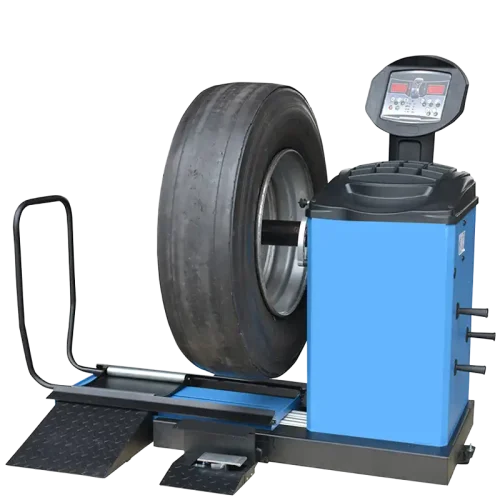
  2. Maximum wheel weight: Passenger and SUV wheels are covered by 65–80 kg capacity models; if you regularly lift heavy wheels, pair the machine with a tyre lift.
  3. Static vs dynamic balancing: Dynamic (two-plane) balancing corrects imbalance across the full width of the wheel and is standard for modern alloys; static balancing only handles a single plane and suits low-volume or motorcycle work.
  4. Weight type and mounting: Balancers guide placement of both clip-on and adhesive weights. Automatic sonar measurement of wheel width and distance speeds up adhesive-weight positioning and reduces re-balancing.

Entry-level models keep everyday passenger service reliable and affordable, while advanced touch-screen systems add wider rim ranges, heavier capacity, and automated shaft/cone measurement for busy bays.

Workflow Efficiency & Operator Assistance

Wheel balancing equipment can be equipped with touch screens, sonar measurement systems, and tyre lifts to simplify operation and reduce physical effort.

  • Touch screen interfaces improve operation speed and data visibility
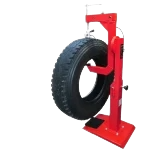
  • Tyre lifts assist with handling heavier wheels safely

These features help maintain consistent balancing quality while improving operator comfort.

Can't Find your Product? Download our Catalogue

FAQs

What types of car wheel balancers are available?
Economic models, standard workshop balancers, and advanced touch-screen wheel balancers are available.
What wheel sizes can car wheel balancers handle?
Depending on the model, rim diameters from approximately 10" up to 32" can be supported.
Are touch-screen wheel balancers available?
Yes. Models with 10", 19", and 22" touch screens are available for improved usability.
Can wheel balancers handle heavier wheels?
Yes. Selected models support higher wheel weight capacities with optional tyre lifts.
Are motorcycle wheels supported?
Yes. With motorcycle adapters, wheel balancers can be used for motorcycle wheel balancing.