86-1506-1936-695
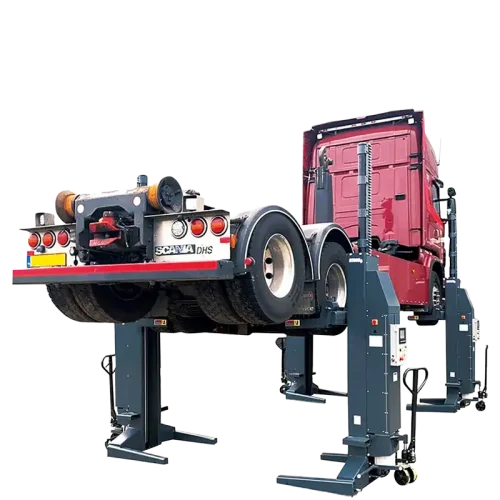
Mobile Column Lifts & Heavy Duty Vehicle Lifts

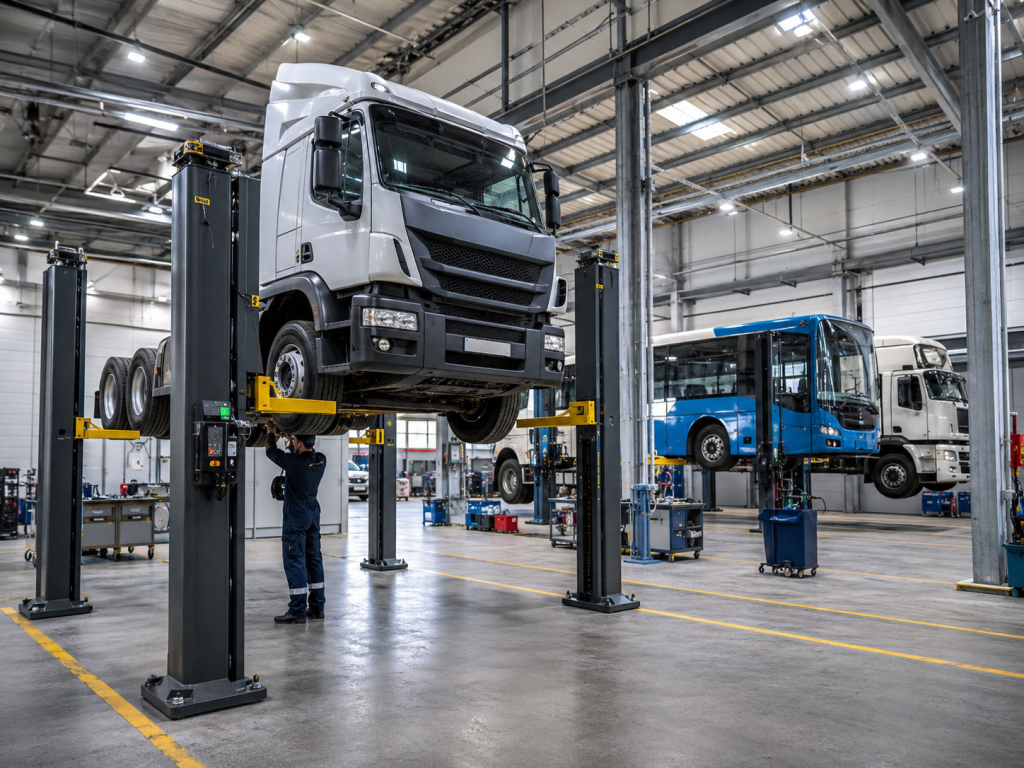
WSAT supplies mobile column lifts and heavy-duty scissor lifts for trucks, buses and commercial fleet vehicles — for passenger and light-vehicle work, see our scissor lifts for cars and SUVs.

 Available options include cabled and wireless column systems in four-, six- and eight-column configurations, together with 20- and 25-ton bus scissor lifts for professional maintenance facilities.

Heavy Duty Lift Features & Specifications

Winsen supplies mobile column lifts and heavy-duty scissor lifts for trucks, buses and commercial vehicles.

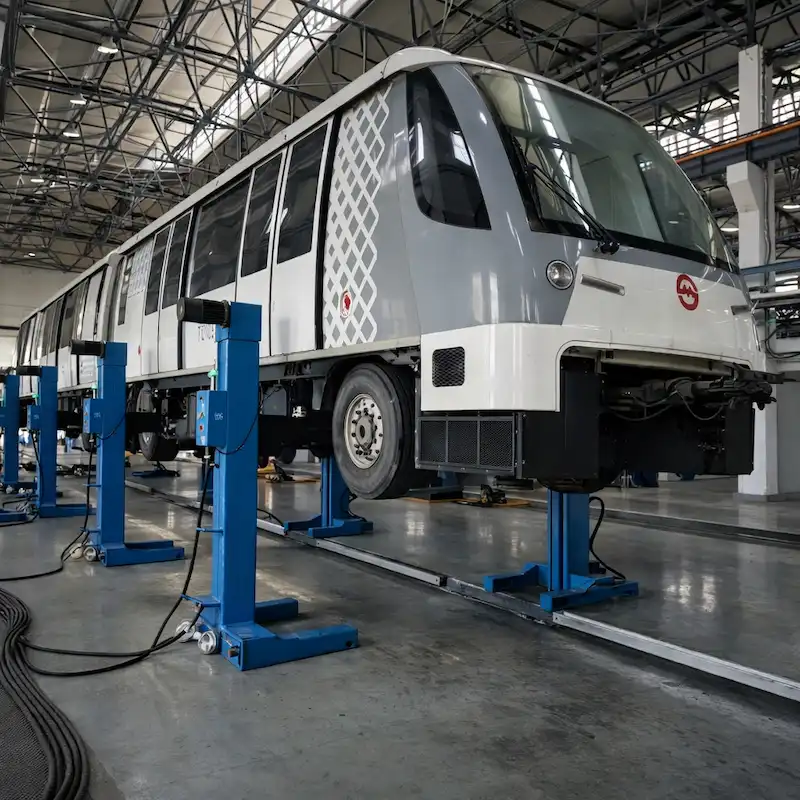
Mobile column lifts are available with 5.5T or 7.5T capacity per column and can be configured in sets of four, six or eight columns. Available options include cabled and wireless synchronized control systems.

Selected models may include mechanical safety locks, overload protection, emergency stop controls and synchronized lifting. Safety features vary by model.

Mobile column lifts do not normally require permanent anchoring, but they must be used on a solid, level and suitable workshop floor. Heavy-duty scissor lifts require fixed installation according to the supplied foundation drawings.

Cabled Heavy Duty Column Lift usage

How to Choose the Right Heavy Duty Vehicle Lift

The correct lift depends on the vehicle fleet, axle configuration, workshop layout, service frequency and whether the equipment needs to be moved between bays.

Cabled vs Wireless Mobile Column Lifts

Cabled column lifts may suit workshops where the lifting area remains relatively consistent and a wired control connection is preferred.

Wireless column lifts reduce floor-level communication cables and provide greater flexibility when columns must frequently be moved, stored or configured for different vehicle lengths.

Wireless systems still require battery charging, regular communication checks and correct synchronization before lifting.

Mobile Column Lift vs Heavy Duty Scissor Lift

Mobile column lifts are suitable for workshops that require flexible bay layouts and access around trucks, buses and multi-axle commercial vehicles. The columns can be repositioned or stored when not in use.

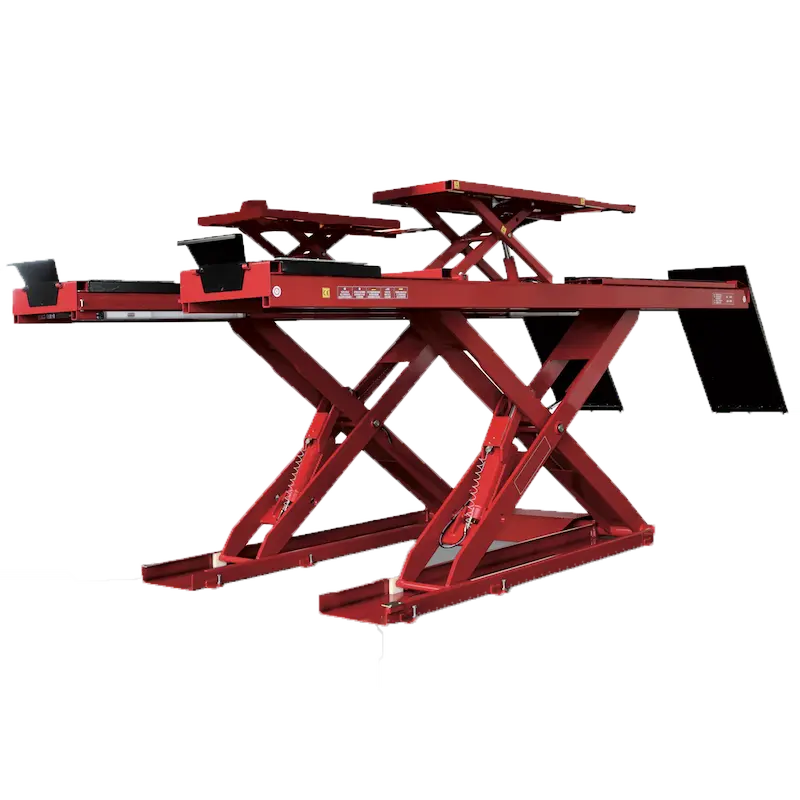
Heavy-duty scissor lifts are better suited to fixed service bays where consistent vehicle positioning and a permanent lifting station are required. They may also provide a clearer working area around the sides of the vehicle.

Vehicle Weight and Axle Configuration

Check the vehicle’s total weight, axle loads, wheel diameter, number of axles and lifting-point arrangement before selecting a lift.

A four-column configuration may suit selected two-axle vehicles, while longer or multi-axle vehicles may require six or eight columns. Compatibility must be verified for each vehicle type.

Workshop Workflow and Operating Frequency

For workshops servicing different vehicle lengths or using multiple bays, mobile columns can provide greater layout flexibility.

For high-frequency bus or fleet maintenance in one dedicated bay, a permanently installed heavy-duty scissor lift may provide a more consistent workflow.

Buyers should also compare installation costs, operator training, battery replacement, routine inspection, spare parts and long-term maintenance requirements rather than considering the purchase price alone.

Heavy-Duty Vehicle Lift Applications

Winsen heavy-duty vehicle lifts may be used in:

  1. Truck repair workshops
  2. Bus and public transport depots
  3. Commercial fleet maintenance centres
  4. Logistics and transport companies
  5. Municipal vehicle workshops
  6. Heavy equipment service facilities
  7. Commercial vehicle dealerships

Vehicle compatibility depends on the selected lift capacity, column quantity, axle arrangement and approved lifting points.

Download Our Heavy Duty Lift Catalogue

FAQs

What types of vehicles can be lifted?
Heavy-duty column lifts are suitable for trucks, buses, trailers, and other large commercial vehicles.
Do column lifts require permanent installation?
No. Most systems are mobile or surface-mounted and do not require pits or permanent foundations.
How many columns are typically used?
Systems commonly use 4, 6, or 8 columns depending on vehicle length and weight.
Are column lifts safe for uneven loads?
Yes. Synchronized control and safety locking systems help maintain balanced lifting.
Can column lifts be expanded later?
Yes. Additional columns can usually be added to match future vehicle or capacity needs.