How to Choose Jack Stand Capacity for Your Vehicle Mix
Choose jack stand capacity based on the heaviest vehicle in your shop’s regular rotation, not the average — then round up to the next available rating. A shop running mostly sedans but occasionally lifting a loaded pickup needs 6-ton stands, not 3-ton, because the stand rating has to cover the worst-case corner weight with margin, not just the typical job. Undersizing is the single most common jack stand mistake we see in mixed-fleet shops, and it’s the one that leads to warped stands or worse.
Why ‘Average Vehicle Weight’ Is the Wrong Way to Size Stands
Here’s a mistake we see constantly: a shop owner looks at their average customer vehicle, picks a mid-range stand rating, and assumes they’re covered. That logic falls apart the first time a heavier vehicle rolls in.
Jack stand capacity has to be sized to the heaviest vehicle you’ll realistically service, not the median. A tire shop that mostly handles passenger cars but occasionally services a customer’s F-250 needs stand capacity for the F-250, full stop. That one outlier vehicle defines your minimum rating, because you can’t swap out stands mid-job based on what rolled onto the lift that morning.
This is the same principle we cover in jack stand safety ratings explained — the number on the label is a ceiling, and you never want to operate near that ceiling as a matter of routine.
Calculating Corner Weight — The Number That Actually Matters
Total vehicle weight is almost useless for sizing stands. What matters is corner weight — the load on a single support point when the vehicle is raised and resting on stands.
A rough rule: divide gross vehicle weight by 4, then add 15-20% for weight bias (engines aren’t centered, and fuel tanks, cargo, and passengers shift the balance). A 4,500 lb SUV isn’t distributing 1,125 lbs evenly across four corners — the front corners under a loaded engine bay can easily carry 1,400+ lbs each.
For instance, a fleet garage servicing delivery vans found their 3-ton stands were technically rated high enough on paper, but with cargo racks and partial fuel loads, real corner weights were pushing close to the rated limit on every job. They moved to 6-ton stands and the margin problem disappeared.
If your math says 5.5 tons of corner-weight coverage, don’t buy 6-ton stands and call it done — that’s cutting it too close for daily use. Buy the next tier up. Stands degrade with age, welds fatigue, and ratchet mechanisms wear. A stand rated exactly at your ceiling today won’t hold that same margin in three years of daily shop use.
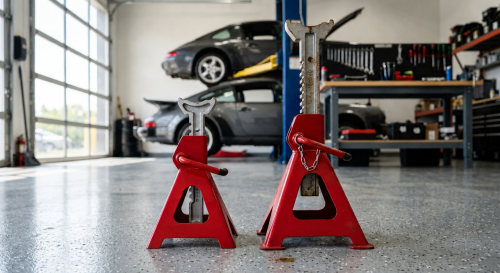
Jack stand supporting a truck axle showing load contact point
Matching Stand Capacity to Your Actual Vehicle Mix
Most workshops fall into one of three vehicle-mix categories, and each has a different capacity strategy.
Passenger Car & Light SUV Shops
If your bay traffic is 90% sedans, hatchbacks, and crossovers, 3-ton stands (per pair) generally cover you with reasonable margin. Watch out for heavier crossover models and EVs — battery packs add significant weight, and an electric SUV can weigh 20-30% more than its gas equivalent.
Mixed Fleet or Light Commercial Shops
Shops that see everything from compacts to half-ton pickups need 6-ton stands as the baseline, not the exception. Don’t keep two sets and hope staff grab the right one under time pressure — standardize on the higher rating shopwide.
Heavy-Duty and Commercial Truck Shops
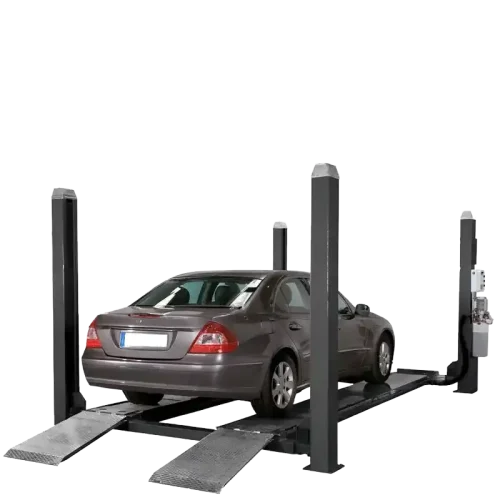
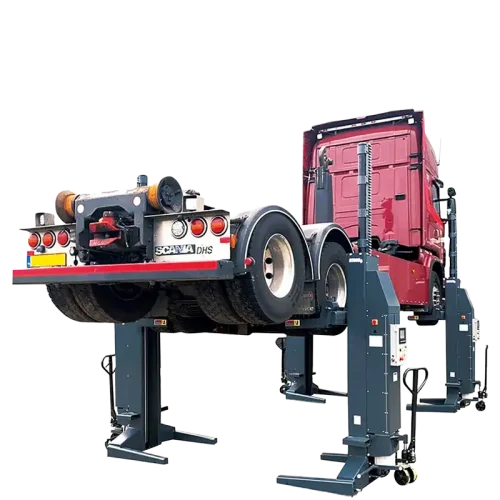
For box trucks, buses, or heavy vans, jack stands alone often aren’t the right tool. This is where column lifts, four-post lifts, and heavy-duty jacks become the more practical and safer solution than relying on stand-alone axle stands rated at 12 tons or higher.
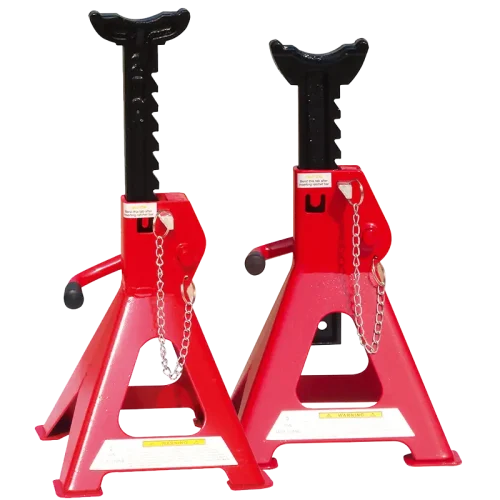
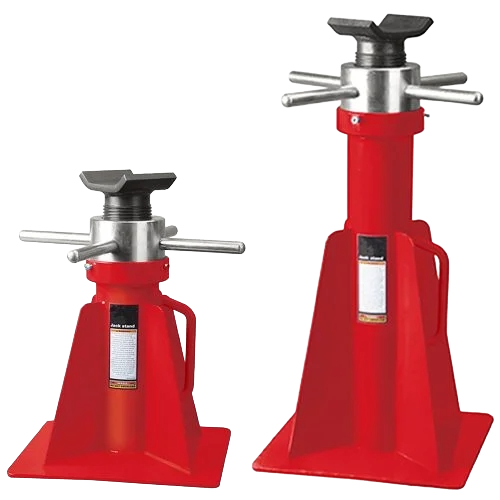
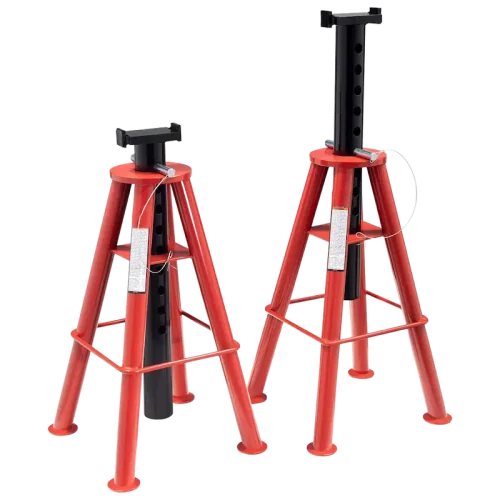
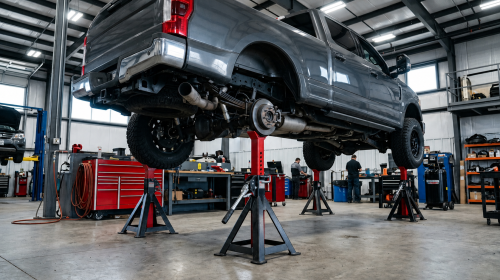
Different capacity jack stands arranged by size in a workshop
The Pair vs. Set Confusion That Trips Up Buyers
A surprisingly common buying error: assuming a ‘6-ton jack stand’ means each stand holds 6 tons on its own for a full vehicle. In most listings, that rating is per stand, and you calculate your coverage per corner — not per vehicle total.
So a 3-ton stand pair gives you 3 tons of support at each of two contact points, meaning a 6,000 lb vehicle split across the front (using two stands) is within range, but you still need to check that against actual front-axle weight bias, not a flat total-weight-divided-by-two calculation.
Always read the manufacturer spec sheet carefully. If it’s ambiguous, contact the supplier directly before ordering a shop-wide set — this is exactly the kind of detail worth confirming through our contact page before a bulk purchase.
Height Range Matters Almost as Much as Capacity
A stand rated for the right tonnage but with the wrong height range is still the wrong stand. Trucks and SUVs with lift kits or larger tires need taller minimum and maximum height ranges — sometimes 18-24 inches extended — while low-clearance sports cars need a stand that sits low enough at minimum height to actually fit under the pinch weld.
Shops with a genuinely mixed fleet often end up needing two height categories even if the tonnage is standardized. A body shop running sedans and lifted trucks side by side, for example, kept one set of low-profile 3-ton stands for cars and a separate set of tall 6-ton stands for trucks — same capacity philosophy, different geometry.
Where Jack Stands Fit Into Your Broader Lifting Setup
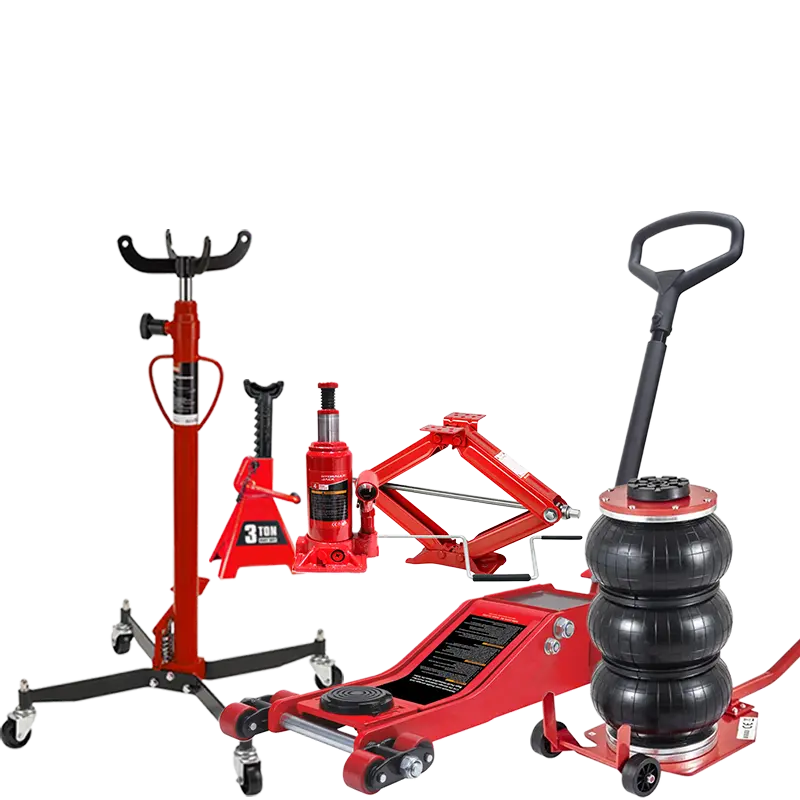
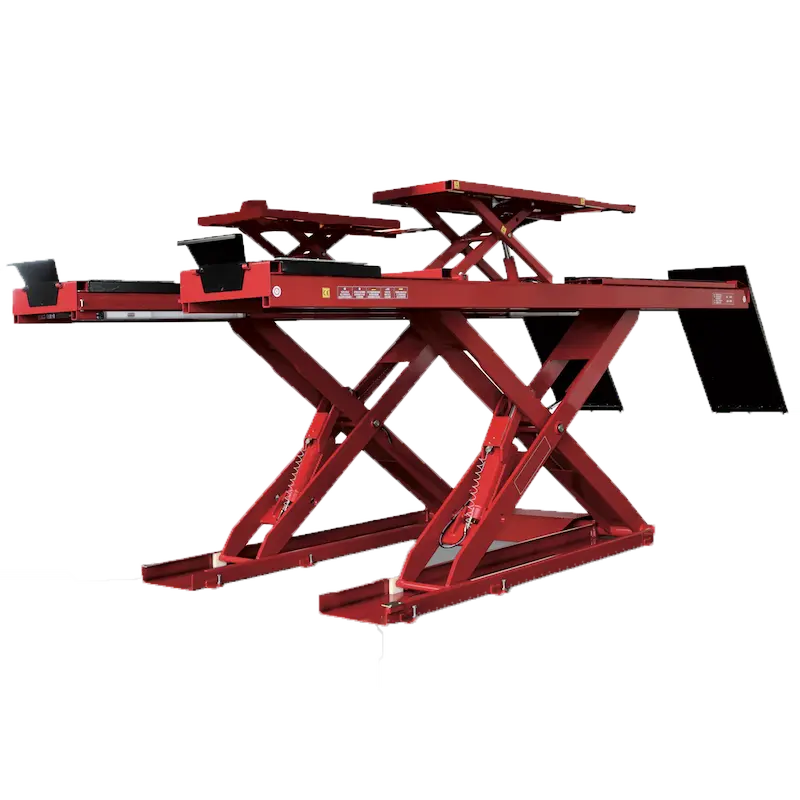
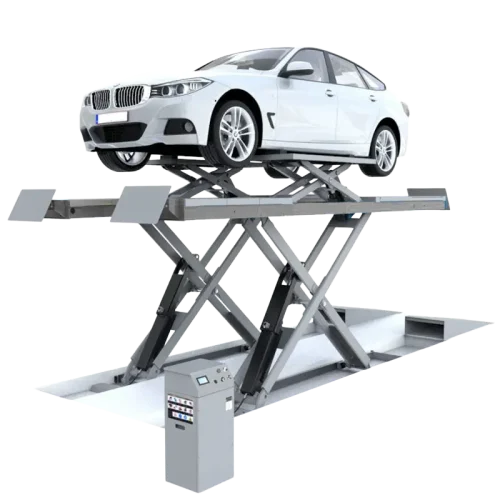
Jack stands are a support tool, not a primary lifting system — they work alongside hydraulic jacks and shop lifts, not instead of them. If your shop is scaling up and running multiple bays, capacity planning for stands should happen at the same time you’re planning lift selection.
This ties directly into broader workshop layout and lift selection planning — stand capacity, lift capacity, and floor space all need to match the same vehicle mix assumptions. Buying a 4-ton lift and pairing it with 6-ton stands, or vice versa, creates a mismatch that either limits what you can service or introduces unnecessary risk.
Also worth reviewing regularly: your hydraulic lift safety inspection routine, since stand condition should be checked on the same schedule as lift components, not treated as a separate maintenance task.
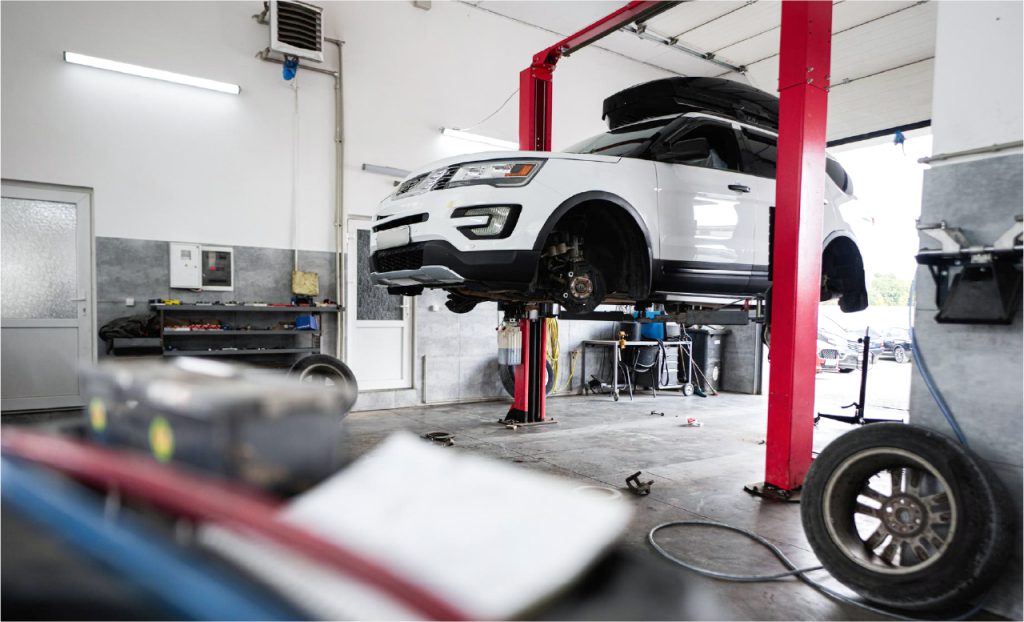
Auto repair bay with car lift and jack stands staged for use
Signs Your Current Stands Are Undersized for Your Shop
A few warning signs suggest your stand capacity no longer matches your vehicle mix:
Stands visibly flex or lean under load, even slightly
Ratchet pins are hard to seat or feel like they’re under tension when locked
You’ve started ‘doubling up’ stands per corner on heavier vehicles — a sign the rated capacity isn’t enough
Staff avoid using stands for certain vehicles and rely on the lift alone, which defeats the point of having stands as backup support
Any one of these is reason enough to reassess. None of them are things to wait out.
Yes. We provide OEM and ODM services, including logo printing, custom colors, packaging design, and product specification adjustments. Available options depend on the product type and order quantity.
What is your minimum order quantity (MOQ)?
MOQ requirements vary by product. Most standard products are available in flexible quantities, while customized branding, packaging, or product development may require a minimum order. Contact us with the product model and required quantity for confirmation.
Do you offer samples?
Samples or trial orders are available for most product categories. Sample charges and refund terms depend on the selected product and will be confirmed before ordering.
Which ports do you ship from?
We can arrange shipment from major ports in China, including Shanghai, Ningbo, Shenzhen, and Qingdao. The final port will be selected according to the product location and shipping arrangement.
Which trade terms do you support?
We support EXW, FOB, CIF, and other standard international trade terms. The available option will be confirmed in your quotation based on the order and destination.
Can you supply products beyond your catalog?
Yes. If you cannot find the required automotive tool or workshop equipment in our catalog, send us your specifications, target quantity, and application. Our team can help identify and source a suitable solution.