Truck & Bus Workshop Lift Guide: Column, Four-Post, or Heavy-Duty Jacks
For trucks and buses, the right workshop lift comes down to three practical choices: modular column lifts for full-vehicle access and maximum capacity, four-post lifts for rigid-frame trucks and alignment work, and heavy-duty jacks for targeted axle or wheel work without a permanent installation. Each solution suits a different workshop size, vehicle mix, and service scope — and picking the wrong one means either under-specced equipment or wasted floor space.
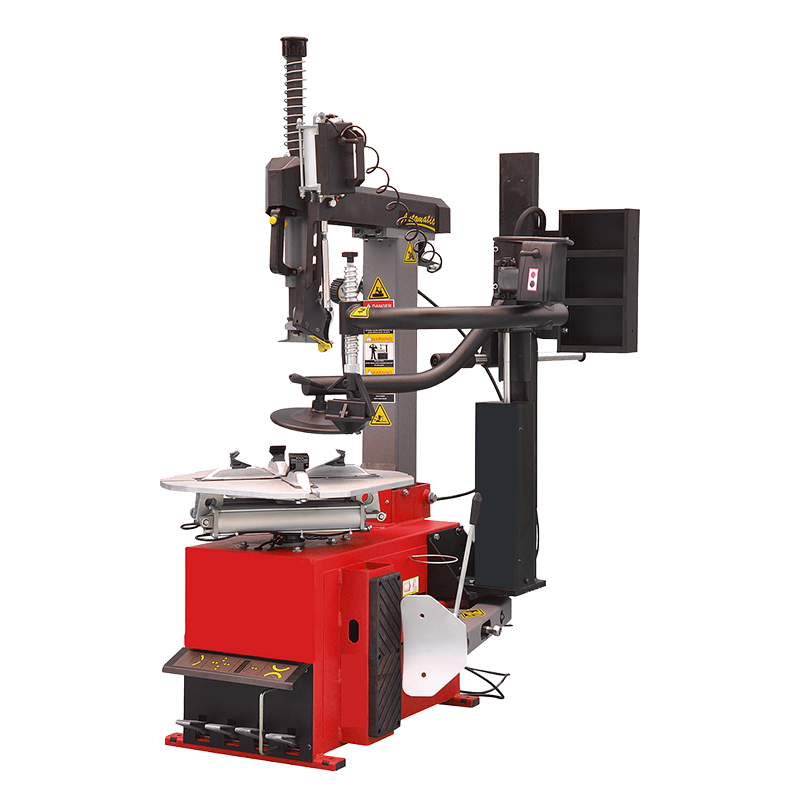
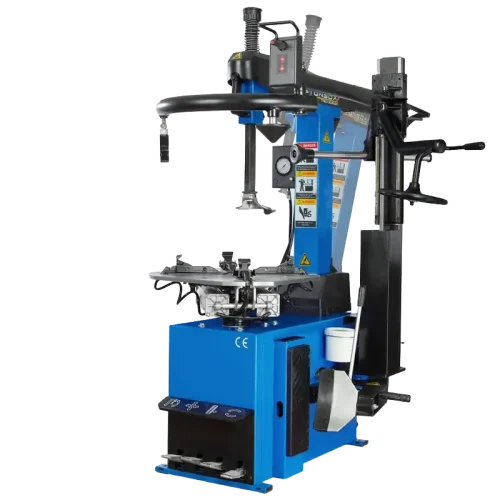
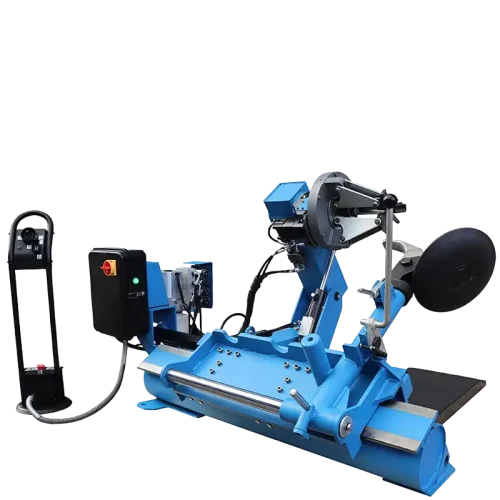
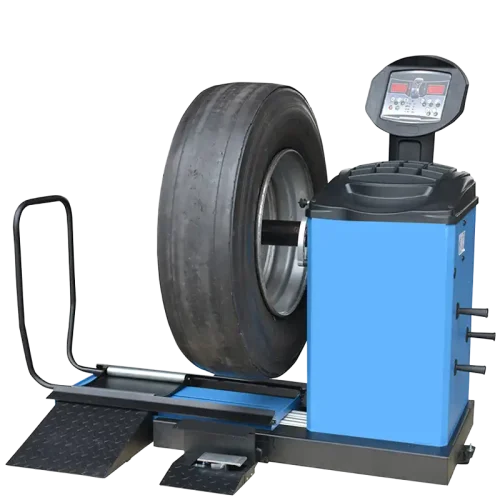
Here is a direct comparison to help you decide, including where heavy-duty hydraulic jacks fit alongside column and four-post lifts. Workshops setting up for heavy vehicle service should also factor in a hydraulic truck tyre changer alongside their lift selection.
Criteria
Column Lift (Modular)
Four-Post Lift
Heavy-Duty Floor Jack
Air Hydraulic Bottle Jack
Typical Capacity
30–60T (4-column set)
4–25T
5–20T
5–50T
Vehicle Access
Full undercarriage
Full undercarriage
Single-point lift
Single-point lift
Space Required
Large — scalable bays
Fixed large footprint
Minimal
Minimal
Installation
Modular, anchor-free options
Permanent, anchored
None
None
Best For
Buses, articulated trucks
Rigid trucks, alignment work
Spot repairs, roadside use
Heavy axle lifting
Portability
Semi-portable (wireless)
Fixed
High
High
Relative Cost
High
Medium–High
Low
Low–Medium
Operator Skill Required
Moderate–High
Moderate
Low
Low
Mobile Column Lifts for Buses and Articulated Trucks
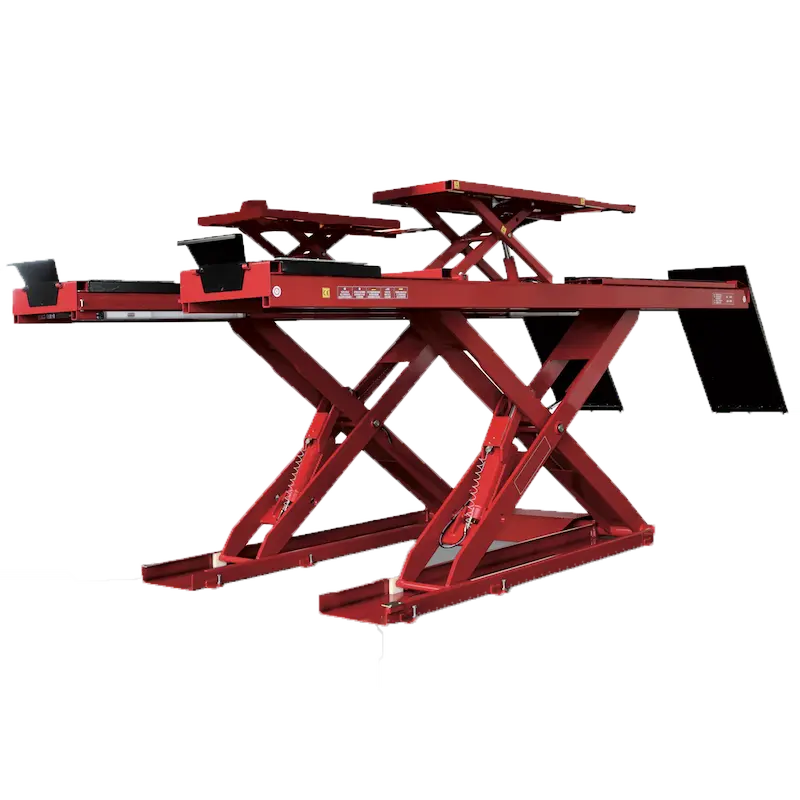
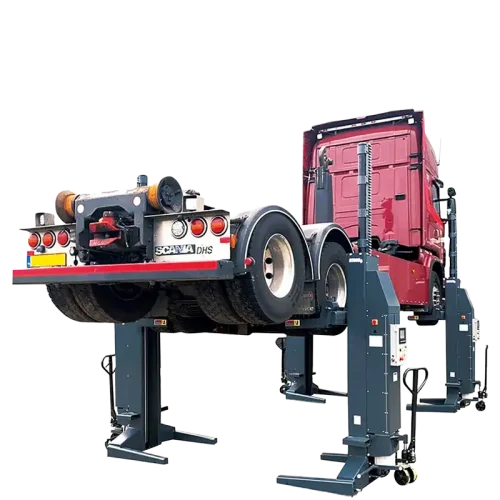
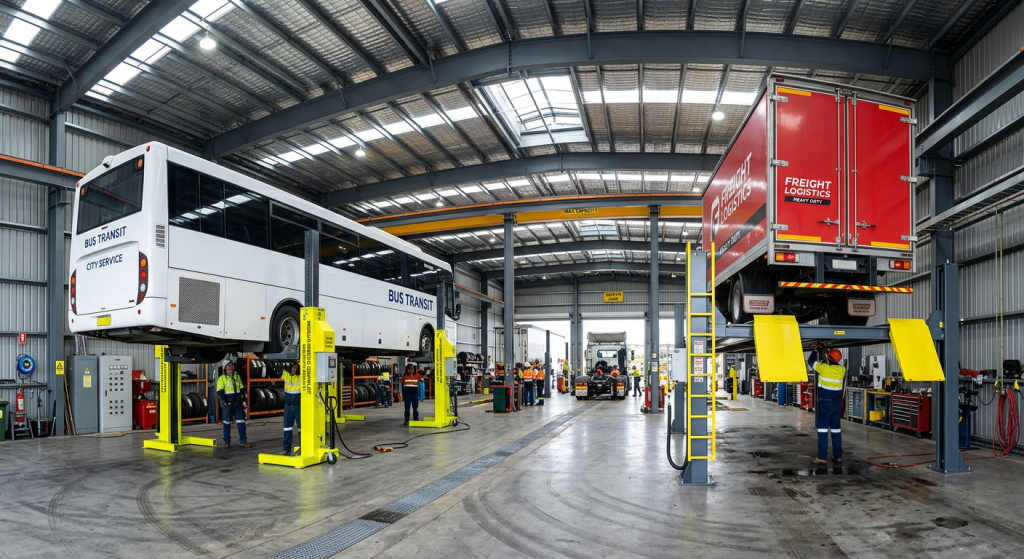
Mobile column lifts use synchronized lifting columns positioned at the vehicle wheels to raise buses, trucks and multi-axle commercial vehicles. WINSEN models are available in four-, six- and eight-column configurations, with each column rated at 5.5 or 7.5 tons, depending on the selected model.
Total lifting capacity and vehicle compatibility depend on the axle loads, wheel positions, column quantity and approved operating configuration.
Key Advantages of Mobile Column Lifts
Flexible column configuration: Columns can be repositioned to accommodate different vehicle lengths, wheel positions and axle layouts.
Open undercarriage access: The lifting arrangement provides access for brake, suspension, exhaust and drivetrain maintenance.
Flexible workshop layout: Mobile models generally do not require permanent column anchoring, but they must be used on a solid, level and structurally suitable floor.
Cabled or wireless control: Available control options support synchronized lifting and lowering across the complete column set.
For workshops servicing standard buses, articulated vehicles and mixed commercial fleets, mobile columns can be rearranged between jobs without permanently dedicating the service bay to one vehicle size.
Four-Post Lifts: The Workhorse for Rigid Trucks and Alignment
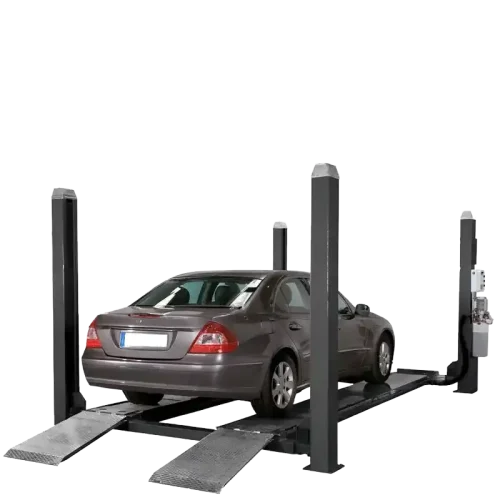
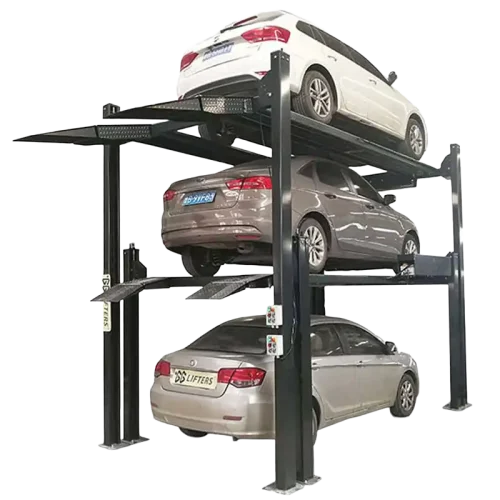
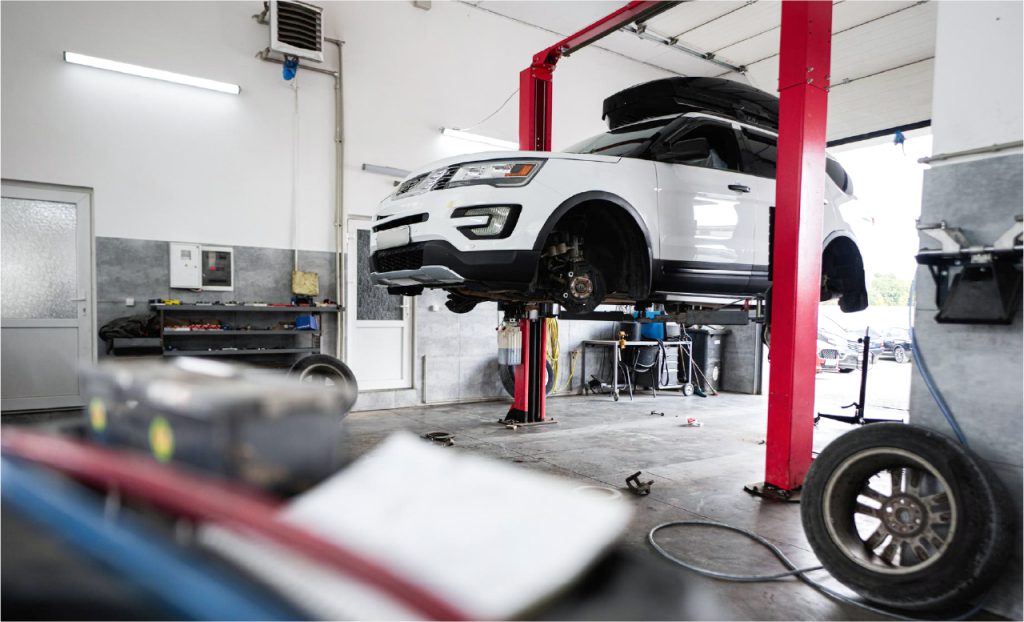
A four-post lift is the most practical fixed solution for workshops handling rigid-frame trucks, heavy vans, and light commercial vehicles up to 25T. The drive-on ramp design makes loading fast and safe, and the open-center runway configuration allows wheel-free access for brake and suspension inspections without additional adapters.
When a Four-Post Lift Makes More Sense
Your vehicle mix is predominantly rigid trucks or heavy vans with consistent wheelbase ranges.
You perform wheel alignment on commercial vehicles — most four-post models accept alignment turn plates.
You need a permanent, high-cycle installation that technicians can operate quickly with minimal setup time.
Four-post lifts in the 10–25T range are particularly common in truck dealership service centers and fleet maintenance workshops where throughput matters. WINSEN's four-post lifts from 4T to 25T cover the full spectrum from heavy vans to rigid commercial trucks.
Heavy-Duty Jacks: Portable Power for Axle and Wheel Work
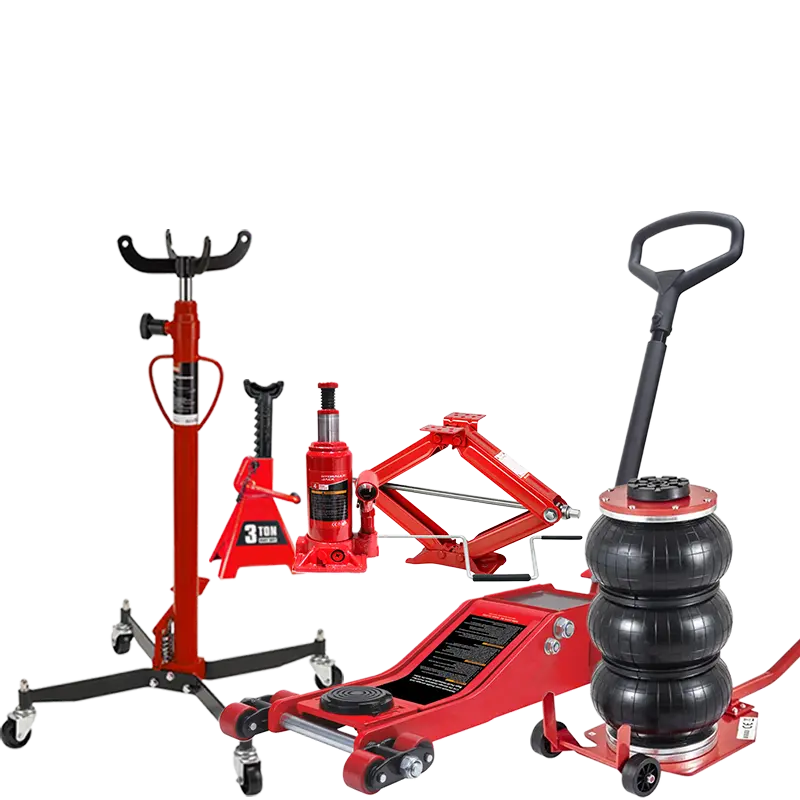
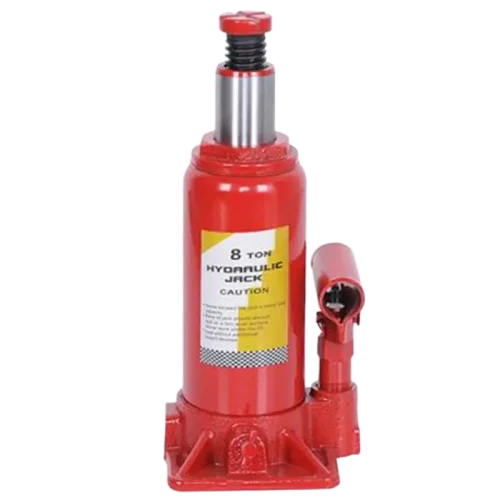
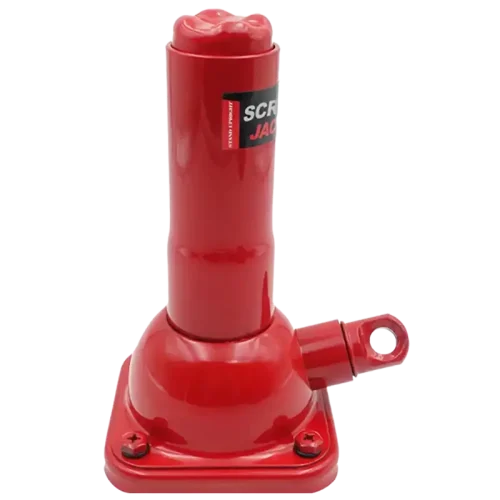
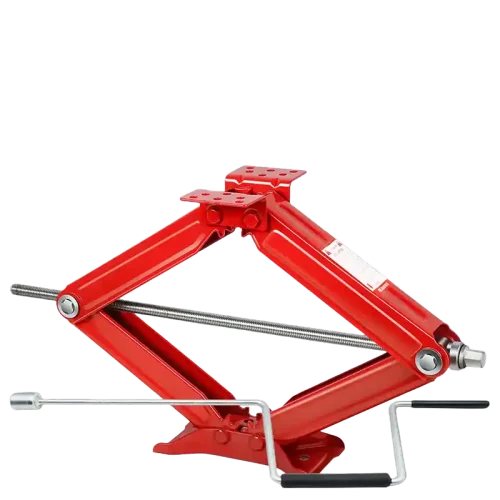
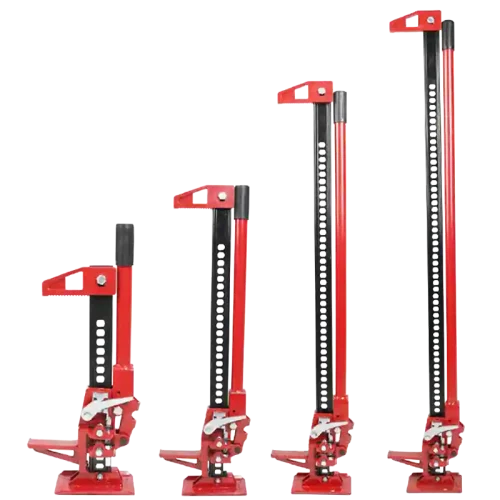
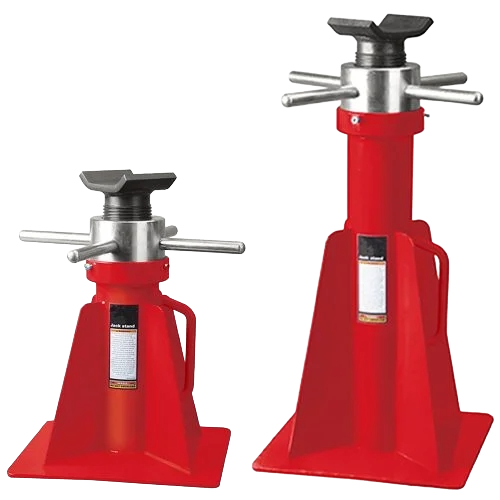
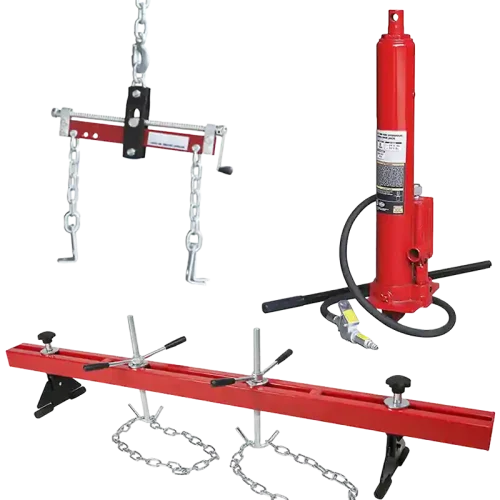
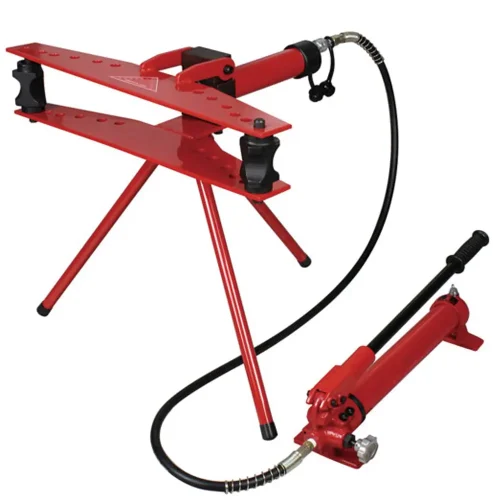
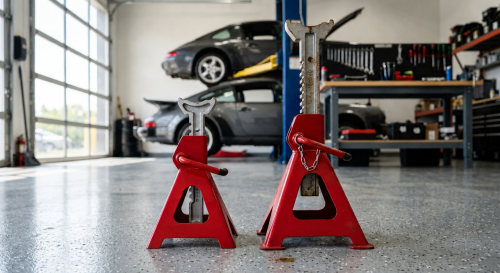
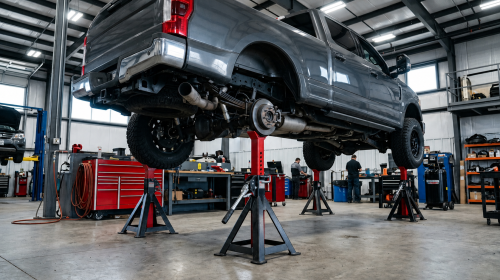
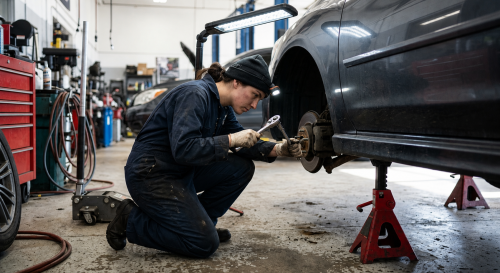
Not every truck service task requires raising the entire vehicle. For axle changes, wheel swaps, brake drum removal, or roadside recovery, heavy-duty floor jacks and air hydraulic bottle jacks deliver targeted lifting capacity — typically 5T to 50T — without any fixed infrastructure.
Floor Jacks vs. Air Hydraulic Bottle Jacks
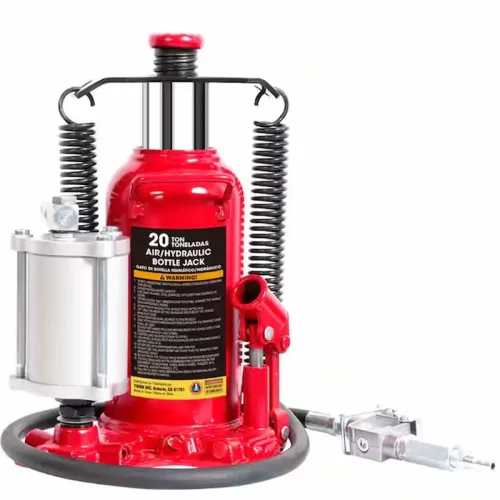
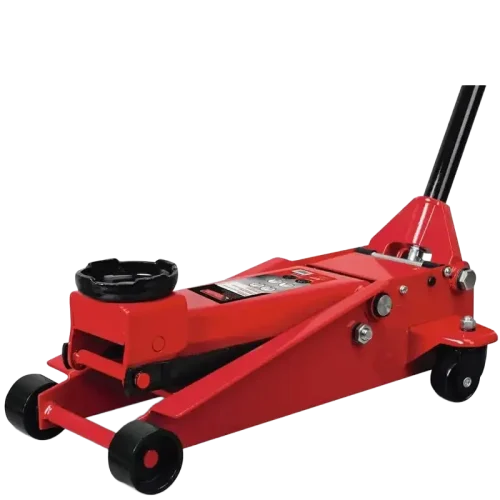
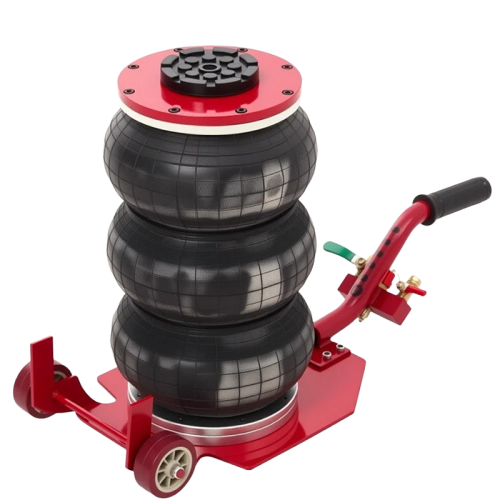
Heavy-duty floor jacks offer fast repositioning and are ideal for workshop bays where technicians move between multiple vehicles. Air hydraulic bottle jacks, which combine shop air pressure with hydraulic force, are the preferred choice for very high single-point loads — particularly under rear axles of fully loaded trucks where a 30T or 50T rating is genuinely needed.
Browse WINSEN's full range of hydraulic jacks including air-over-hydraulic models suited to commercial vehicle workshops.
Side-by-Side Comparison: Which Lift Fits Your Workshop?
The table below summarizes the four main heavy-vehicle lifting solutions across the criteria that matter most to workshop buyers.
Criteria
Column Lift (Modular)
Four-Post Lift
Heavy-Duty Floor Jack
Air Hydraulic Bottle Jack
Typical Capacity
30–60T (4-column set)
4–25T
5–20T
5–50T
Vehicle Access
Full undercarriage
Full undercarriage
Single-point lift
Single-point lift
Space Required
Large — scalable bays
Fixed large footprint
Minimal
Minimal
Installation
Modular, anchor-free options
Permanent, anchored
None
None
Best For
Buses, articulated trucks
Rigid trucks, alignment
Spot repairs, roadside
Heavy axle work
Portability
Semi-portable (wireless)
Fixed
High
High
Relative Cost
High
Medium–High
Low
Low–Medium
Operator Skill Required
Moderate–High
Moderate
Low
Low
Most high-volume truck workshops ultimately run a combination: a column lift system for full-vehicle service bays, a four-post lift for alignment and routine maintenance, and a set of heavy-duty jacks for quick turnaround work. This layered approach avoids bottlenecks when multiple vehicles need simultaneous attention.
Making the Right Call: Practical Buying Checklist
Before committing to any heavy-vehicle lift, work through these five questions:
What is your heaviest vehicle? Always size capacity at least 20% above your maximum GVW to maintain a safety margin.
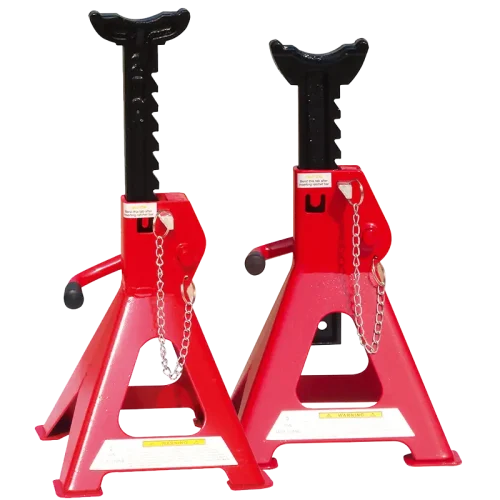
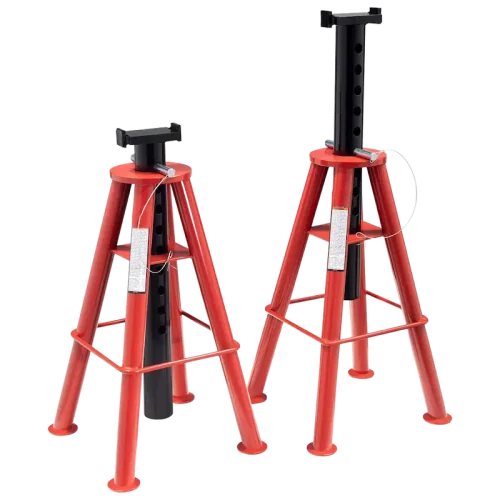
What services will you perform? Full drivetrain and suspension work demands full undercarriage access — column or four-post. Wheel and axle work alone can be handled with jacks and stands.
How much floor space is available? Column lifts need clear bay space on all sides; four-post lifts have a fixed footprint. Review our auto lift dimensions and clearance guide before purchasing.
Is your vehicle mix consistent or variable? Variable fleets (buses, rigids, vans) benefit most from modular column systems. Consistent fleets suit fixed four-post installations.
What is your budget and timeline? Jacks and stands can be operational immediately at low cost; column and four-post systems require installation planning and higher upfront investment.
WINSEN supplies the full spectrum of car lifts and heavy-duty vehicle lifts with OEM support and global shipping. If you are setting up a new truck service facility, the professional workshop setup guide covers equipment layout and space planning in detail. Contact the WINSEN team to discuss capacity requirements and get a tailored equipment recommendation for your operation.
Yes. We provide OEM and ODM services, including logo printing, custom colors, packaging design, and product specification adjustments. Available options depend on the product type and order quantity.
What is your minimum order quantity (MOQ)?
MOQ requirements vary by product. Most standard products are available in flexible quantities, while customized branding, packaging, or product development may require a minimum order. Contact us with the product model and required quantity for confirmation.
Do you offer samples?
Samples or trial orders are available for most product categories. Sample charges and refund terms depend on the selected product and will be confirmed before ordering.
Which ports do you ship from?
We can arrange shipment from major ports in China, including Shanghai, Ningbo, Shenzhen, and Qingdao. The final port will be selected according to the product location and shipping arrangement.
Which trade terms do you support?
We support EXW, FOB, CIF, and other standard international trade terms. The available option will be confirmed in your quotation based on the order and destination.
Can you supply products beyond your catalog?
Yes. If you cannot find the required automotive tool or workshop equipment in our catalog, send us your specifications, target quantity, and application. Our team can help identify and source a suitable solution.