Tyre Changer & Wheel Balancer Package Guide: Workshop Selection Explained
The right tyre changer and wheel balancer package comes down to two variables: the vehicle types you service and how many wheels you turn per day. A small passenger-car garage has fundamentally different needs from a mixed workshop handling SUVs and light commercial vans — and buying the wrong spec means either bottlenecks on the shop floor or capital tied up in capability you never use. Match your equipment to your actual vehicle range and daily throughput, and both machines will pay for themselves faster.
Feature
Entry-Level Package
Mid-Range Package
Heavy-Duty Package
Best For
Small garages, up to 20 cars/day
Mixed workshops, 20–50 cars/day
Truck/bus service, high volume
Tyre Changer Type
Semi-automatic, manual assist
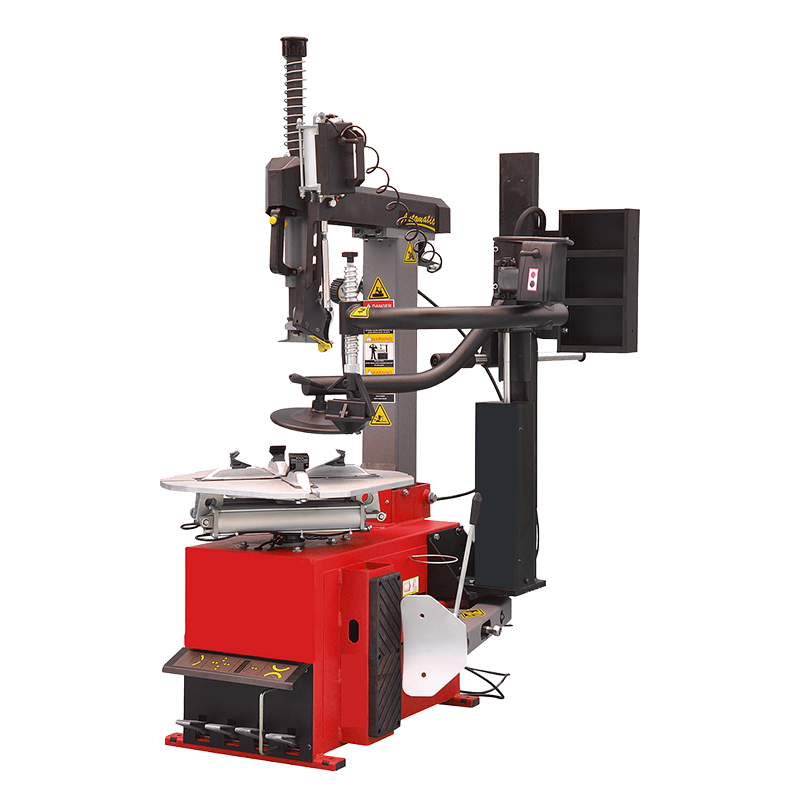
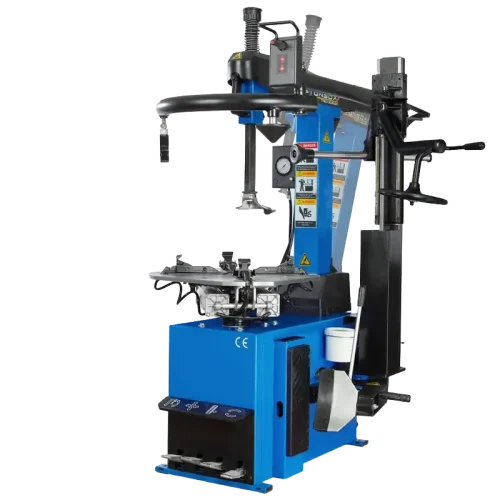
Fully automatic, tilt-back tower
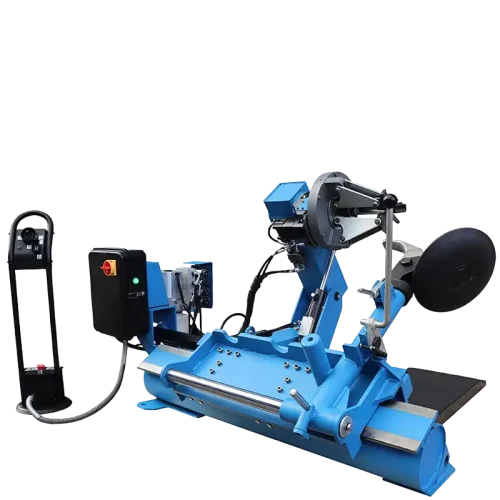
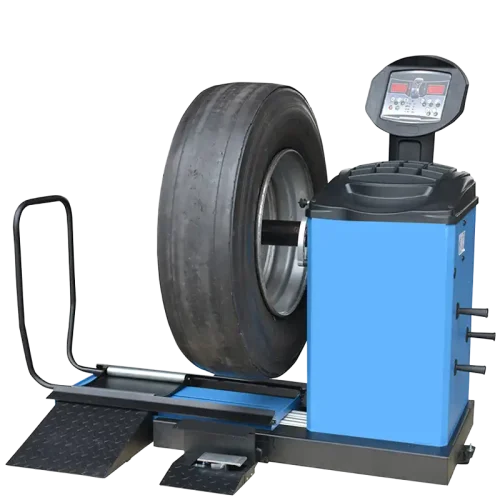
Heavy-duty truck changer
Rim Diameter Range
10–21 inch
10–26 inch
14.5–26.5 inch truck rims
Wheel Balancer Type
Entry-level static/dynamic
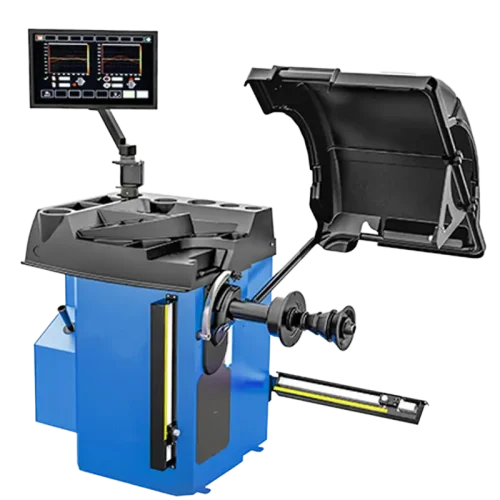
Computer balancer with ALU modes
Heavy-duty truck balancer
Max Wheel Weight
Up to 65 kg
Up to 75 kg
Up to 200 kg
Typical Investment
Budget entry point
Mid-range professional grade
Premium commercial grade
Start With Your Vehicle Range, Not Your Budget
The single biggest mistake workshop buyers make is leading with price rather than rim diameter and tyre profile requirements. Your vehicle mix dictates the minimum technical specification for both machines — budget is secondary.
Passenger Cars and SUVs Only
If your bay handles standard passenger cars and SUVs up to 21-inch rims, a semi-automatic or fully automatic tyre changer covering 10–21 inches is sufficient. Pair it with a computer wheel balancer rated to 65 kg wheel weight with standard ALU balancing modes. This covers the vast majority of daily workshop traffic without over-speccing.
Mixed Workshops: Cars, SUVs, and Light Vans
Workshops servicing light commercial vehicles alongside passenger cars need a changer with a wider rim range — typically 10–26 inches — and a tilt-back or swing-arm tower for low-profile and run-flat tyres. The balancer should handle up to 75 kg and include multiple ALU programme modes for alloy wheels. Browse the full range of tyre service equipment to compare specifications side by side.
Fully automatic tyre changer and computer wheel balancer paired in a workshop tyre bay
Daily Volume: How Throughput Determines Machine Grade
Vehicle range tells you what the machine must handle — daily volume tells you how hard it needs to work. A machine rated for the right rim size but built for light duty will wear prematurely under high-cycle conditions.
Under 20 Wheels Per Day
Entry-level semi-automatic changers and basic computer balancers are cost-effective and reliable at this volume. Cycle times are less critical, and the operator can compensate for manual steps without slowing the bay.
20–50 Wheels Per Day
This is the threshold where a fully automatic changer with a motorised tilt-back column pays dividends. Reducing manual handling per wheel by even 90 seconds adds up to over an hour of recovered time daily. A balancer with automatic data input (laser or sonar distance measurement) further cuts cycle time per wheel.
50+ Wheels Per Day
At high volume, consider a second changer station rather than a single premium machine. Two mid-range changers often outperform one top-spec unit when a second technician is available. For context, a busy tyre centre processing 60–70 wheels daily across two bays will see a measurable ROI difference within the first year compared to a single-machine setup.
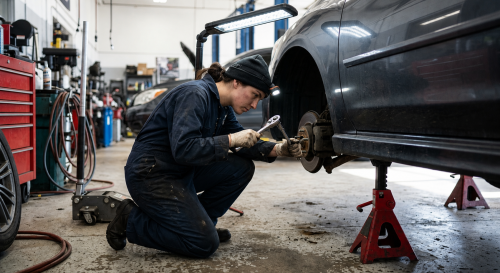
Technician operating a fully automatic tyre changer on a low-profile alloy wheel
Key Specifications to Compare Before You Buy
Once vehicle range and volume are defined, evaluate machines against these five specification points:
Rim diameter range: Confirm the changer covers your widest and narrowest rims. Most passenger-car changers handle 10–21 inches; extended-range models reach 26 inches for vans and 4x4s.
Bead breaking force: Look for at least 1,000 kg bead breaking force for standard tyres; run-flats and truck tyres require significantly more.
Max wheel weight on balancer: Standard balancers cap at 65–75 kg. Truck balancers start at 130 kg and go to 200 kg or more.
Balancing programmes: ALU modes (ALU1–ALU5) protect alloy wheels during weight placement. Confirm the balancer includes these if you service alloy-heavy fleets.
Air supply requirements: Most changers require 8–10 bar compressed air. Verify your compressor capacity before ordering — undersupply is a common installation oversight.
For passenger car and SUV-focused workshops, the car tyre changers and car wheel balancers pages list full technical specifications for each model.
Real-World Example: Equipping a Mixed-Fleet Tyre Centre
Consider a regional tyre centre handling a mix of passenger cars, SUVs, and light vans — roughly 35–40 wheels per day across two technicians. The owner initially quoted entry-level semi-automatic changers to reduce upfront cost.
After reviewing daily cycle requirements, the better fit was a fully automatic changer with a tilt-back tower (rim range 10–26 inches) paired with a computer balancer featuring sonar distance measurement and five ALU programmes. The tilt-back column eliminated manual low-profile tyre handling, cutting average change time from 12 minutes to under 8 minutes per wheel. At 38 wheels daily, that recovered nearly 2.5 hours of technician time — enough to add a sixth vehicle booking per day.
The incremental cost of the upgraded package was recovered within four months through additional service revenue. This is a common outcome when equipment is matched to actual throughput rather than minimum specification.
Workshops running motorcycle alongside car service should also factor in a dedicated motorcycle tyre changer, as adapting a car changer for motorcycle rims is inefficient and risks rim damage.
Building Your Package: Practical Buying Checklist
Use this checklist before finalising your tyre service equipment order:
Define your rim range: Smallest and largest rim diameter currently in your vehicle mix, plus any anticipated growth (e.g., EV platforms trending toward 20–22 inch rims).
Count daily wheel volume: Average wheels per day across a typical working week — not your busiest day.
Audit your air supply: Confirm compressor output at the point of use, accounting for other pneumatic tools running simultaneously.
Check floor space: A tilt-back changer needs clearance behind the column when the tower reclines — typically 1.2–1.5 m additional depth.
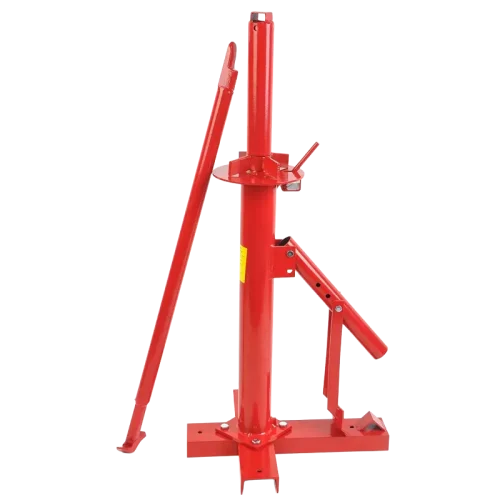
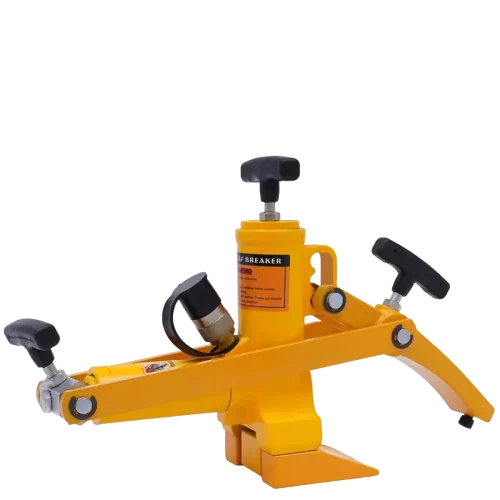
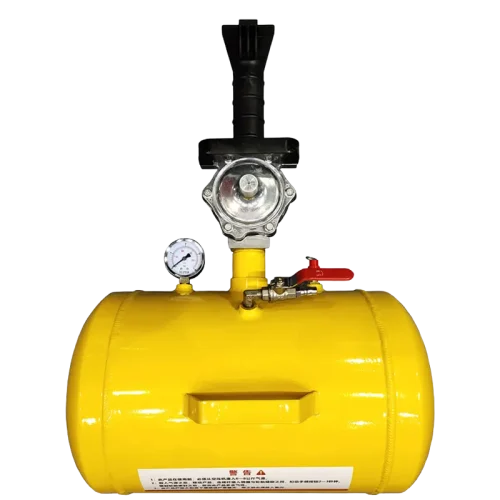
Consider ancillary tools: High-volume workshops benefit from a pneumatic tyre bead seater for fast bead seating on truck and van tyres, and a tyre bead breaker for stubborn beads before mounting.
Plan for growth: Spec the balancer one grade above current need — balancers have longer service lives than changers and upgrading mid-cycle is disruptive.
WINSEN offers tyre service equipment across entry, mid-range, and heavy-duty grades. Contact the team via the WINSEN enquiry page to discuss package configurations matched to your specific workshop profile, or download the full product catalogue for detailed specifications.
Yes. We provide OEM and ODM services, including logo printing, custom colors, packaging design, and product specification adjustments. Available options depend on the product type and order quantity.
What is your minimum order quantity (MOQ)?
MOQ requirements vary by product. Most standard products are available in flexible quantities, while customized branding, packaging, or product development may require a minimum order. Contact us with the product model and required quantity for confirmation.
Do you offer samples?
Samples or trial orders are available for most product categories. Sample charges and refund terms depend on the selected product and will be confirmed before ordering.
Which ports do you ship from?
We can arrange shipment from major ports in China, including Shanghai, Ningbo, Shenzhen, and Qingdao. The final port will be selected according to the product location and shipping arrangement.
Which trade terms do you support?
We support EXW, FOB, CIF, and other standard international trade terms. The available option will be confirmed in your quotation based on the order and destination.
Can you supply products beyond your catalog?
Yes. If you cannot find the required automotive tool or workshop equipment in our catalog, send us your specifications, target quantity, and application. Our team can help identify and source a suitable solution.