How to Choose the Right Grease Pump: Manual vs Air vs Electric Systems
The right grease pump depends on three factors: how frequently you grease, how many lubrication points your vehicles have, and whether you have a compressed air supply in your workshop. Manual pumps suit low-volume or mobile use; air-operated systems are the workhorse choice for busy truck and fleet bays; and electric pumps fill the gap when portability and high output are both required. Here's how to match each system to your real workshop conditions.
Feature
Manual Grease Pump
Air-Operated Grease Pump
Electric Grease Pump
Upfront Cost
Low ($30–$120)
Medium ($150–$500)
High ($300–$1,200+)
Operating Pressure
Up to 5,000 psi
Up to 7,500 psi
Up to 7,250 psi
Grease Output Speed
Slow (manual effort)
Fast (continuous flow)
Fast (consistent flow)
Air Supply Required
✗ No
✓ Yes (90–120 psi)
✗ No
Best For
Light, occasional use
High-volume workshop bays
Mobile or remote service
Portability
High (handheld)
Medium (drum-mounted)
Medium (battery/cord)
Maintenance Complexity
Low
Medium
Medium–High
Ideal Vehicle Type
Passenger cars, light vans
Trucks, buses, heavy fleet
Mixed fleet, field service
Manual Grease Pumps: Best for Light-Duty and Occasional Use
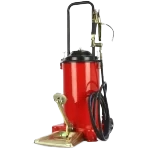
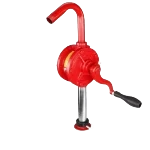
Manual grease pumps — including lever-action pistol grease guns and hand-pump drum units — are the most affordable entry point for workshop lubrication. They require no power source or air line, making them ideal for smaller garages, mobile mechanics, or situations where greasing is an occasional task rather than a constant workflow requirement.
When Manual Makes Sense
Workshops servicing fewer than 10–15 vehicles per day
Greasing jobs limited to 5–10 points per vehicle (e.g., suspension joints, steering linkages on passenger cars)
Technicians who need a grab-and-go tool without hose management
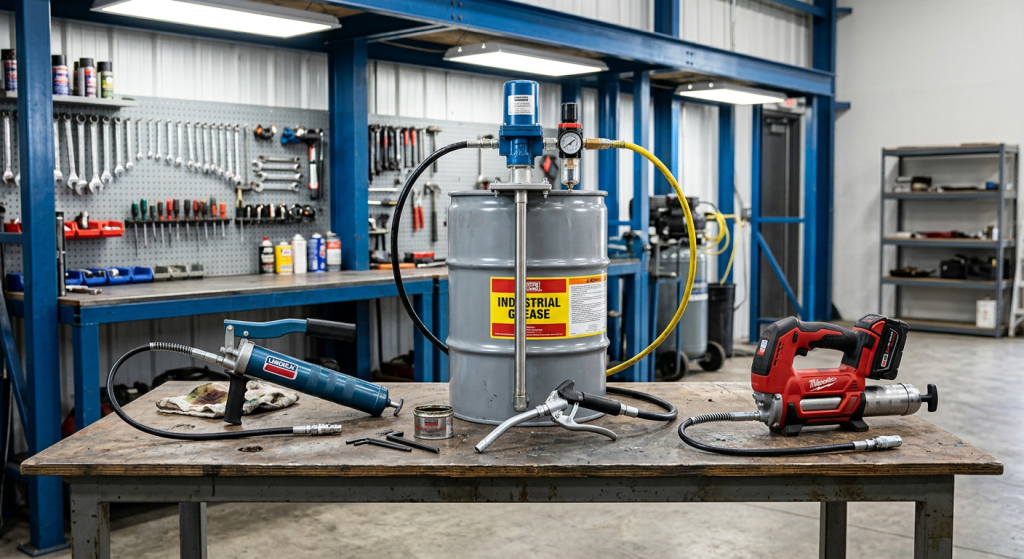
Typical output for a quality lever-action gun is around 1.28 oz per 20 strokes — adequate for light passenger car service but slow for a 40-point truck chassis. For portable lubrication solutions, WINSEN's manual grease pumps cover both handheld pistol guns and drum-mounted hand-pump units up to 180 kg drums.
Limitation to watch: Operator fatigue is real on high-viscosity greases (NLGI Grade 2 and above). If your technicians are greasing multiple heavy vehicles daily, manual pumps will slow your workflow and increase physical strain.
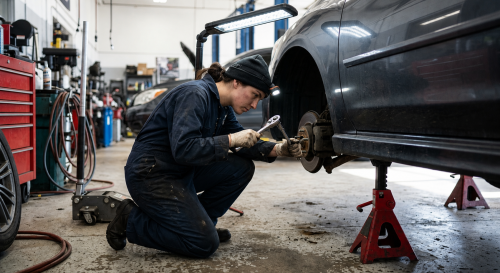
Technician using a manual lever-action grease gun on a vehicle suspension fitting in an automotive workshop
Air-Operated Grease Pumps: The Workshop Workhorse
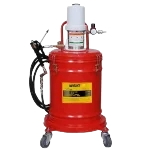
Pneumatic (air-operated) grease pumps are the standard choice for professional workshops with a compressed air supply. They use a follower plate inside a grease drum and a pneumatic motor to deliver continuous, high-pressure grease flow — typically at ratios of 50:1 to 60:1, generating pressures up to 7,500 psi. That's enough to clear blocked fittings and push grease through long hose runs to remote bays.
Key Specifications to Compare
Pump ratio: 50:1 is standard; higher ratios suit thicker greases or longer delivery lines
Air inlet pressure: Most require 90–120 psi — confirm your compressor output before buying
Drum compatibility: 120 kg (265 lb) and 180 kg (400 lb) drum sizes are most common
Hose length: 5 m is typical; 10 m hose reels suit multi-bay setups
Real-world example: A truck and bus service center handling 20+ heavy vehicles per day switched from manual guns to a 50:1 air-operated drum pump with a 10 m hose reel. Greasing time per vehicle dropped from 18 minutes to under 6 minutes — a direct labor saving across every service bay. WINSEN's air-operated grease pumps are built for exactly this high-volume, continuous-use environment.
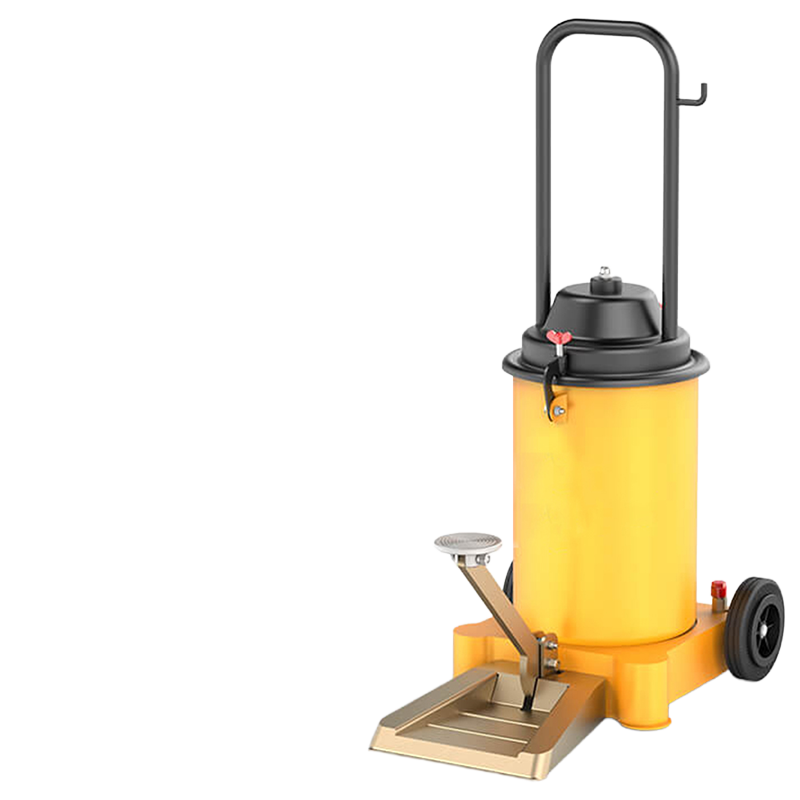
For high-volume workshops, an air-operated grease pump provides faster and more consistent lubricant delivery from drums, making it suitable for fleet maintenance, truck service and other frequent lubrication tasks.
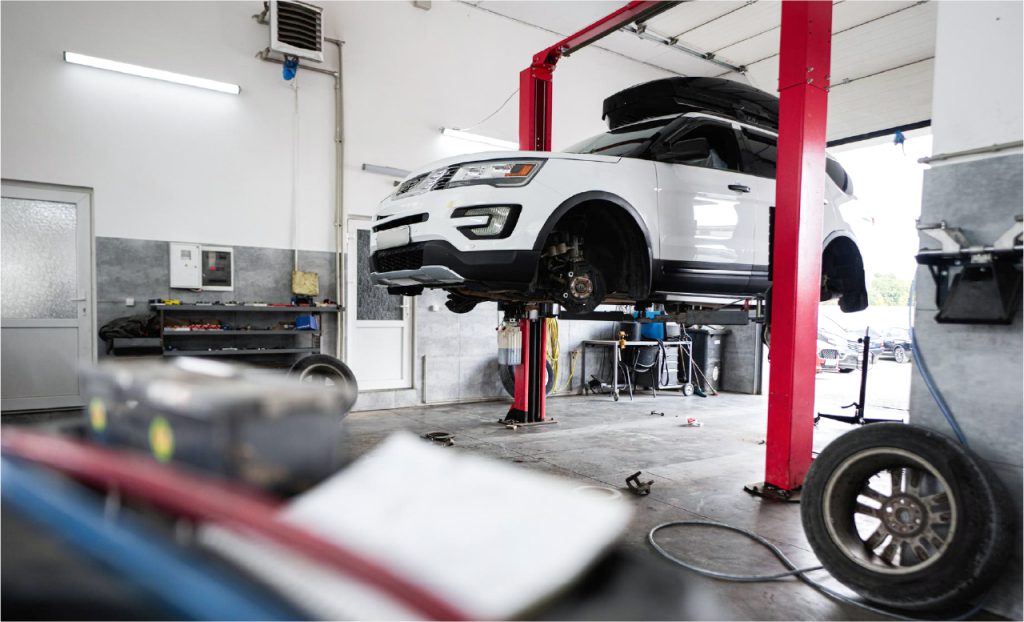
Air-operated drum grease pump with hose reel mounted in a heavy-duty truck service bay
Electric Grease Pumps: Portability Meets High Output
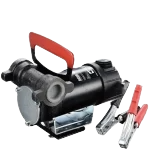
Electric grease pumps — both corded AC and battery-powered DC models — deliver the output speed of pneumatic systems without requiring a compressed air line. This makes them the right choice for mobile service units, field maintenance teams, and workshops where running air lines to every corner is impractical.
Corded vs. Battery-Powered
Corded AC electric pumps: Consistent power output, suited for fixed workshop bays without air supply; typically 110V or 220V
Battery-powered (12V/24V DC) pumps: Fully portable for on-site fleet maintenance, agriculture, mining, or construction equipment servicing
Output pressure on quality electric units reaches 6,500–7,250 psi — comparable to pneumatic systems. Flow rates are typically 16–32 oz per minute depending on grease viscosity and drum size.
Who Benefits Most
Fleet maintenance managers running mobile service vehicles, or workshops that service both indoor bays and outdoor yard equipment, get the most value from electric systems. A single battery-powered pump can handle a 40-point agricultural machine in the field and then return to the workshop for the next job — no air hose required.
Pair an electric grease pump with WINSEN's broader fluid transfer and lubrication equipment range to build a complete, flexible lubrication station for mixed-fleet operations.
Side-by-Side Comparison: Which System Fits Your Workshop?
Use this table to match pump type to your specific workshop profile. The decision hinges on daily vehicle volume, available infrastructure, and whether your work is fixed-bay or mobile.
Criteria
Manual Grease Pump
Air-Operated Grease Pump
Electric Grease Pump
Upfront Cost
Low ($30–$120)
Medium ($150–$500)
High ($300–$1,200+)
Operating Pressure
Up to 5,000 psi
Up to 7,500 psi
Up to 7,250 psi
Grease Output Speed
Slow (manual effort)
Fast (continuous flow)
Fast (consistent flow)
Air Supply Required
✗ No
✓ Yes (90–120 psi)
✗ No
Best For
Light, occasional use
High-volume workshop bays
Mobile or remote service
Portability
High (handheld)
Medium (drum-mounted)
Medium (battery/cord)
Maintenance Complexity
Low
Medium
Medium–High
Ideal Vehicle Type
Passenger cars, light vans
Trucks, buses, heavy fleet
Mixed fleet, field service
One practical note: many workshops run both a manual pistol gun for quick top-ups and a drum-mounted system for scheduled service intervals. The two tools complement rather than replace each other.
Making the Final Call: Practical Buying Checklist
Before placing an order, run through these five questions to lock in the right specification:
Daily vehicle count: Under 10 vehicles/day → manual or entry electric. Over 20 → air-operated drum pump.
Vehicle type: Passenger cars have 4–8 grease points; heavy trucks can have 30–50. Higher point counts demand faster output.
Air supply availability: No compressor or inadequate pressure (below 90 psi) → electric is the better fit than pneumatic.
Drum size: Match pump follower plate to your drum diameter (120 kg or 180 kg). Mismatched plates waste grease and create air pockets.
Grease grade: NLGI Grade 2 is standard; EP (extreme pressure) greases for wheel bearings and chassis joints are thicker and need higher pump ratios (50:1 minimum).
If your workshop is still being configured, the guide on setting up a professional automotive workshop covers how to plan lubrication stations alongside lifts and service bays from the ground up. For workshops also evaluating fluid handling beyond grease — oils, diesel, coolant — WINSEN's lubrication and fluid transfer equipment range covers the full spectrum in one catalog.
WINSEN supplies manual, pneumatic, and electric grease pump systems with OEM support and volume pricing for distributors and workshop chains. Contact the WINSEN team to discuss specifications, drum compatibility, and lead times for your operation, or download the full product catalog to review the complete lubrication equipment lineup.
Yes. We provide OEM and ODM services, including logo printing, custom colors, packaging design, and product specification adjustments. Available options depend on the product type and order quantity.
What is your minimum order quantity (MOQ)?
MOQ requirements vary by product. Most standard products are available in flexible quantities, while customized branding, packaging, or product development may require a minimum order. Contact us with the product model and required quantity for confirmation.
Do you offer samples?
Samples or trial orders are available for most product categories. Sample charges and refund terms depend on the selected product and will be confirmed before ordering.
Which ports do you ship from?
We can arrange shipment from major ports in China, including Shanghai, Ningbo, Shenzhen, and Qingdao. The final port will be selected according to the product location and shipping arrangement.
Which trade terms do you support?
We support EXW, FOB, CIF, and other standard international trade terms. The available option will be confirmed in your quotation based on the order and destination.
Can you supply products beyond your catalog?
Yes. If you cannot find the required automotive tool or workshop equipment in our catalog, send us your specifications, target quantity, and application. Our team can help identify and source a suitable solution.