2-Post vs 4-Post Car Lifts: Workshop and Home Garage Guide
Choosing between a 2-post lift vs 4-post lift for a home garage is not simply a matter of comparing prices or maximum capacities. The correct choice depends on whether you mainly perform wheel-off repairs or need convenient vehicle storage, as well as your ceiling height, concrete slab, available footprint and installation conditions.
A 2-post lift is generally the more practical option for brakes, suspension, exhaust, transmission and other wheel-off repair work. A 4-post lift is better suited to drive-on inspection, vehicle storage and applications where quick loading is more important than unrestricted wheel access.
Many owners eventually use both types for different tasks. However, if you are installing one lift in a home garage or adding a lift to a small service bay, comparing the car lift 2 post vs 4 post configurations carefully can help you avoid poor space utilization, insufficient working clearance and unnecessary ownership costs.
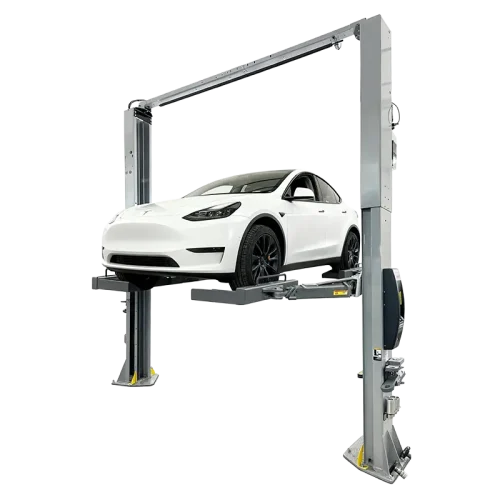
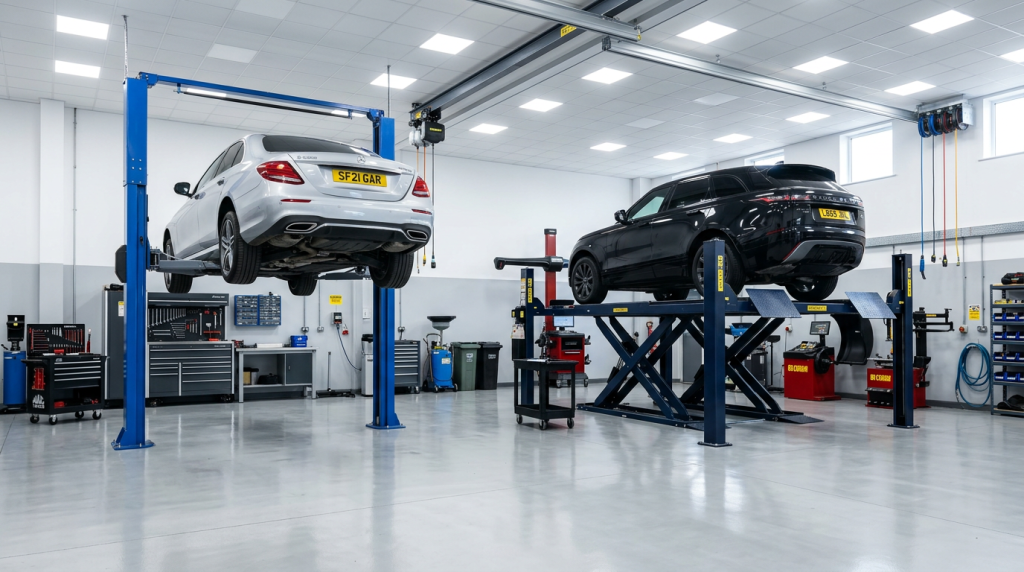
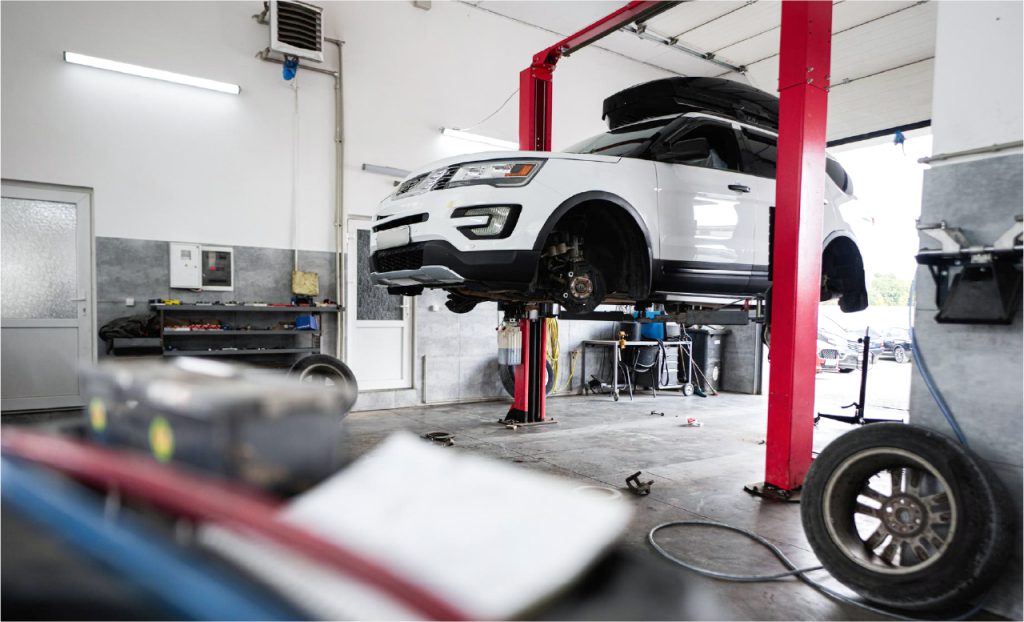
A 2-post lift provides direct access to the wheels, suspension and undercarriage.
Choose a 4-post car lift when your main requirements include:
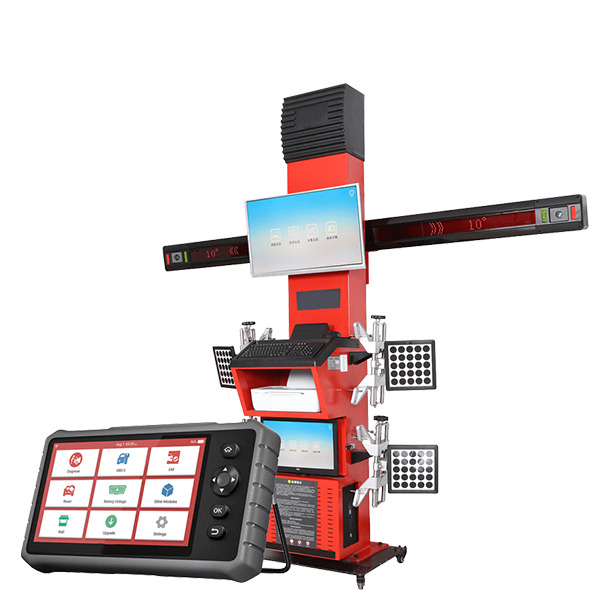
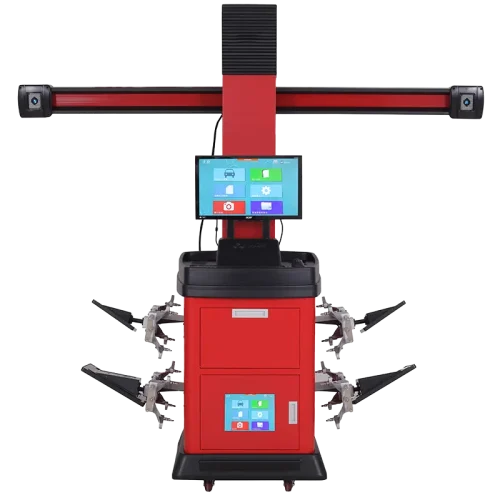
Wheel alignment
Drive-on inspection
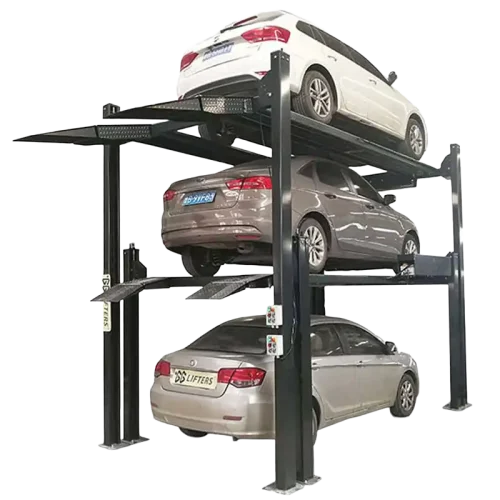
Vehicle storage
Parking two vehicles in one bay
Servicing longer or heavier vehicles
Fast and repeatable vehicle loading
A model designed for free-standing installation
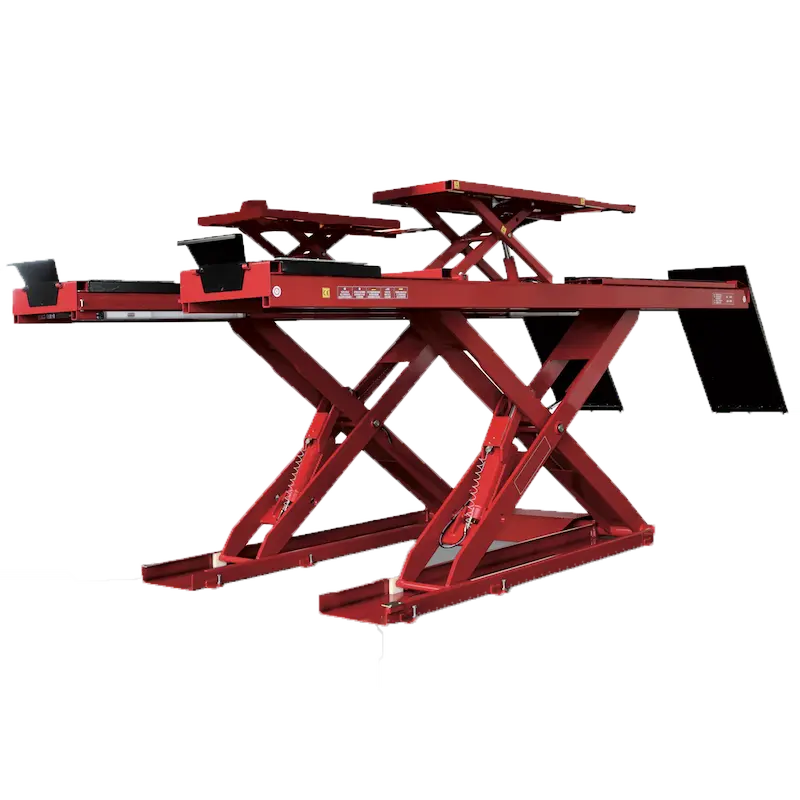
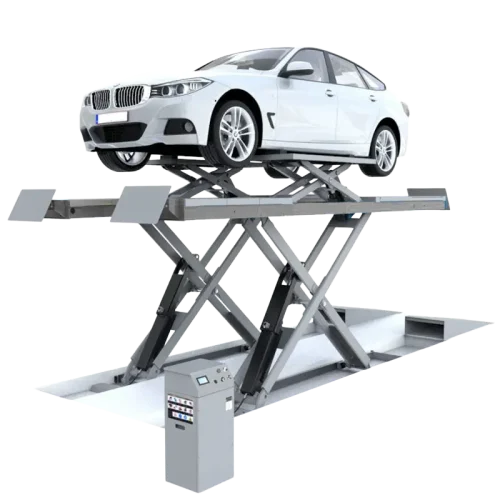
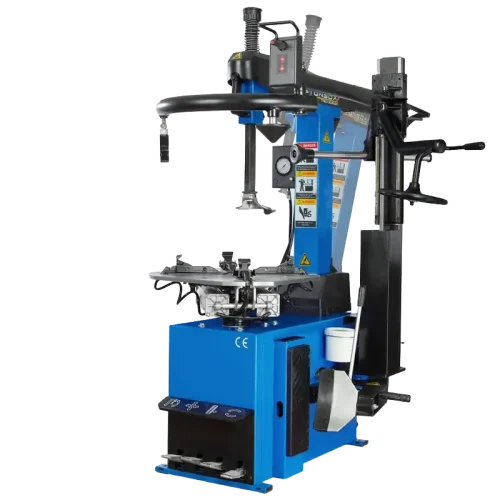
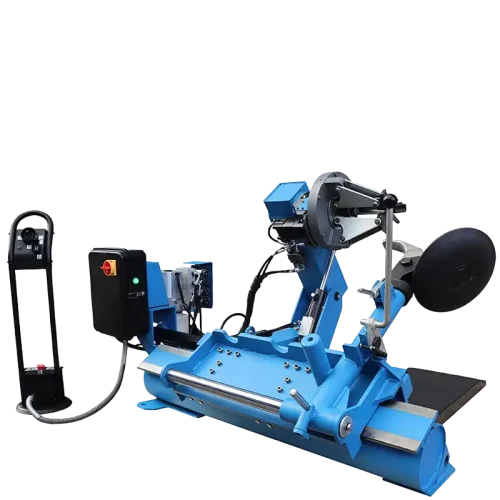
For workshops mainly performing quick tire service or operating with limited ceiling height, a car scissor lift may also be worth comparing.
2-Post vs 4-Post Lift Comparison
The following table summarizes the main differences in a 2-post car lift vs 4-post car lift comparison.
Decision Factor
2-Post Lift
4-Post Lift
Best suited to
General repair and wheel-off work
Alignment, inspection and storage
Vehicle support
Frame or approved vehicle lifting points
Tires supported on runways
Wheel access
Wheels hang free by design
Bridge jacks are normally required
Loading process
Vehicle positioning and arm placement required
Vehicle drives directly onto runways
Workshop footprint
Shorter overall length but requires side clearance
Longer because of runways, ramps and approach space
Floor installation
Normally anchored to a suitable concrete slab
Some models can be free-standing
Alignment work
Not suitable for loaded-suspension alignment
Suitable when designed and equipped for alignment
Vehicle storage
Not normally intended for long-term storage
Commonly used for vehicle stacking and parking
Operator procedure
Correct lifting-point placement is essential
Correct tire and runway positioning is essential
Typical buyer
General repair garage
Alignment shop, dealer or storage facility
Home-garage repair work
Strong choice for brake, suspension, exhaust and other wheel-off repairs
Possible with approved bridge-jack equipment, but runway access is more limited
Ceiling planning
Check maximum rise, vehicle height and any overhead beam or crossbeam
Check the raised platform, vehicle height and stacking clearance
Concrete and installation
Usually requires a verified slab and model-specific anchoring
Some models are free-standing, but the floor must still be level and stable
Storage-focused garage
Generally less suitable for long-term storage
Often more suitable when the model is approved and lowered onto mechanical locks
Total ownership cost
Allow for anchoring, adapters, installation and routine maintenance
Allow for footprint, ramps, bridge jacks and storage-related accessories
The table is a useful starting point, but the final 2-post vs 4-post lift decision should be based on your most frequent use, available space, installation conditions and long-term ownership needs.
2-post vs 4-post lift for a home garage
For a home garage, the best lift depends on whether the space is mainly used for vehicle repairs, parking and storage, or a combination of both. A 2-post lift usually provides better access for brake, suspension and exhaust work, while a 4-post lift is often easier to load and may be more suitable when the main goal is to store a vehicle above another one.
Ceiling height and overhead clearance
Measure the usable ceiling height at the exact lift location rather than relying on the nominal garage height. The calculation should include the lift’s maximum rise, the height of the vehicle, roof racks or antennas, garage-door tracks, lights, beams and other overhead services. A clear-floor 2-post lift may require overhead clearance for its crossbeam, while a floor-plate model may be considered where the overhead structure is unsuitable. A 4-post lift also needs enough height for the raised platform and vehicle, especially when the garage is being used for stacking or long-term storage.
Concrete thickness and installation
There is no universal concrete-thickness rule that applies to every garage lift. A 2-post model normally transfers concentrated loads through anchored columns, so the slab thickness, concrete strength, reinforcement, anchor type and embedment depth must meet the requirements for the exact model. Before drilling, check for cracks, expansion joints and embedded utilities. Some 4-post lifts are designed for free-standing installation, but they still require a level, stable floor that can support the combined lift and vehicle weight. Always follow the selected model’s installation manual and use a qualified installer where required.
Space footprint and vehicle approach
A 2-post lift may use less overall length, but it needs side clearance for opening doors, positioning the arms and walking around the vehicle. A 4-post lift generally needs more total length because of its runways, ramps, approach distance and working clearance. In either case, mark the columns or runway edges on the garage floor and test whether the vehicle can enter, exit and open its doors without striking the lift or nearby walls and equipment.
Cost of ownership
Compare more than the initial equipment price. For a 2-post lift, include concrete preparation, anchoring, adapters and any electrical or installation work. For a 4-post lift, allow for the larger occupied footprint, ramps, rolling bridge jacks if wheel-free work is needed, and any alignment accessories. Maintenance, inspections, replacement parts and the value of the garage space should also be considered when comparing long-term ownership cost.
When a 4-post lift may be safer for storage-only use
When a garage is used mainly for parking or long-term vehicle storage, a suitable 4-post lift is often the more practical choice because the vehicle remains supported by its tires and the platform can be lowered onto mechanical locks. This does not make every 4-post lift suitable for storage: confirm the model’s approved use, rated capacity, platform clearance, wheel stops and locking system. A 2-post lift may still be the better choice when frequent wheel-off repair is the main requirement.
For a mixed-use garage, decide which activity will happen most often. Choose a 2-post lift when repair access is the priority; choose a 4-post lift when drive-on convenience and storage are more important.
Where 2-Post Lifts Perform Best
A 2-post lift supports the vehicle through its chassis or designated lifting points. Once raised, all four wheels hang freely, giving technicians direct access to the suspension, brakes, exhaust system, drivetrain and underside of the vehicle.
This makes the 2-post lift the standard workhorse for many independent garages, dealership service bays and mechanical repair shops.
Better Access for General Repair
The main advantage of a 2-post lift is unrestricted wheel and undercarriage access. Technicians can perform brake replacement, suspension inspection, wheel-bearing service, exhaust repair and many transmission-related procedures without working around long runways.
A 4-post lift can support some of the same work, but wheel removal normally requires compatible rolling bridge jacks. This adds equipment, setup steps and additional cost.
For workshops where most billed work involves mechanical repair, a 2-post lift will normally provide better day-to-day utilization.
Symmetric vs Asymmetric 2-Post Lifts
The arm layout affects how the vehicle is positioned between the columns.
Symmetric lift: Positions the vehicle more centrally between the posts and may be suitable for vans, pickups and vehicles with relatively even weight distribution.
Asymmetric lift: Positions the vehicle farther back between the columns, providing more space for opening the front doors on many passenger cars.
Flexible or versymmetric lift: Uses an arm arrangement that can accommodate a wider range of passenger vehicles, SUVs and light commercial vehicles.
Before selecting the arm configuration, compare the vehicle wheelbase, front-to-rear weight distribution, arm reach, minimum pad height, drive-through width and door-opening clearance.
Clear-Floor vs Floor-Plate 2-Post Lifts
The required dimensions of a 2-post car lift also depend on whether the lift uses a clear-floor or floor-plate design.
Clear-Floor 2-Post Lift
A clear-floor lift routes cables, hoses or equalization components through an overhead structure. Its main advantage is an unobstructed workshop floor between the columns.
Tool carts, transmission jacks and other workshop equipment can move through the bay without crossing a baseplate. The trade-off is that the overhead structure requires sufficient ceiling height.
Floor-Plate 2-Post Lift
A floor-plate lift routes the connection between the columns through a plate positioned on the floor. This design can be suitable for workshops with limited ceiling height, but the baseplate may interfere with rolling equipment and floor cleaning.
When comparing the two configurations, do not look only at the lift’s external height. Consider how technicians, jacks and tool carts will move through the bay during daily work.
Where 4-Post Lifts Perform Best
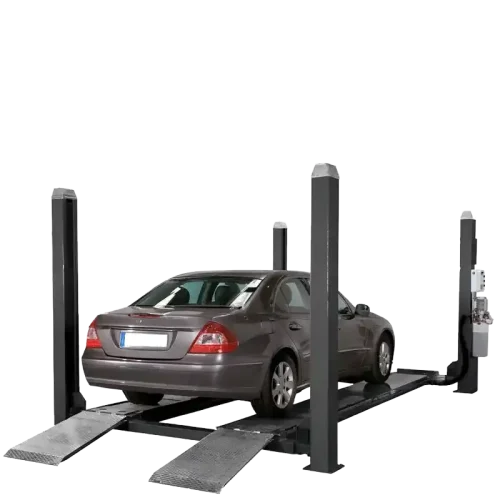
A 4-post lift allows the vehicle to drive onto two runways. The vehicle remains supported through its tires, creating a stable working platform for inspection, alignment and storage.
This design is particularly useful where loading speed, loaded-suspension measurements or long-term vehicle positioning are important.
The correct lift arrangement depends on the services performed in each workshop bay.
Drive-On Convenience
A 4-post lift does not require technicians to position four lifting arms under individual chassis points. The operator drives the vehicle onto the runways, centers the tires and raises the platform.
This can make loading more consistent for inspection work, alignment preparation and repeated vehicle movement. The drive-on design is also useful for vehicles whose chassis lifting points are difficult to access or require special adapters.
Wheel Alignment Applications
Wheel alignment must be carried out with the suspension loaded in its normal operating position. A 2-post lift raises the vehicle through its chassis and allows the suspension to hang, so it is not suitable as the primary alignment platform.
A properly configured 4-post alignment lift keeps the vehicle supported through its tires and may include:
Front turn plates
Rear slip plates
Wheel stops
Level runways
Rolling bridge-jack compatibility
Mounting provisions for alignment accessories
A standard storage lift should not automatically be treated as an alignment lift. Buyers planning to offer alignment services should confirm that the selected model is designed for loaded-suspension measurement and adjustment.
Many workshops use 4-post lifts to increase vehicle storage capacity. One vehicle can be raised while another is parked beneath it, allowing the business to use vertical space rather than expanding the building footprint.
This can be useful for:
Dealership service departments
Restoration workshops
Performance vehicle facilities
Collector vehicle storage
Workshops holding customer vehicles overnight
High-rent urban workshop locations
Before using a lift for long-term vehicle storage, confirm the mechanical locking system, maximum rise, platform clearance and manufacturer’s instructions.
Storage 4-Post Lift vs Alignment 4-Post Lift
Not all 4-post lifts serve the same purpose.
Storage or general-service 4-post lift: Usually has flat runways and is intended for parking, inspection and routine undercarriage access.
Alignment 4-post lift: Includes or supports turn plates, slip plates and other equipment required for accurate wheel alignment.
Choose an alignment model only when wheel alignment is a genuine service requirement. A specialized alignment rack may require additional floor space, accessories and investment that are not necessary for occasional inspections.
2-Post Lift Layout Dimensions and Floor Space
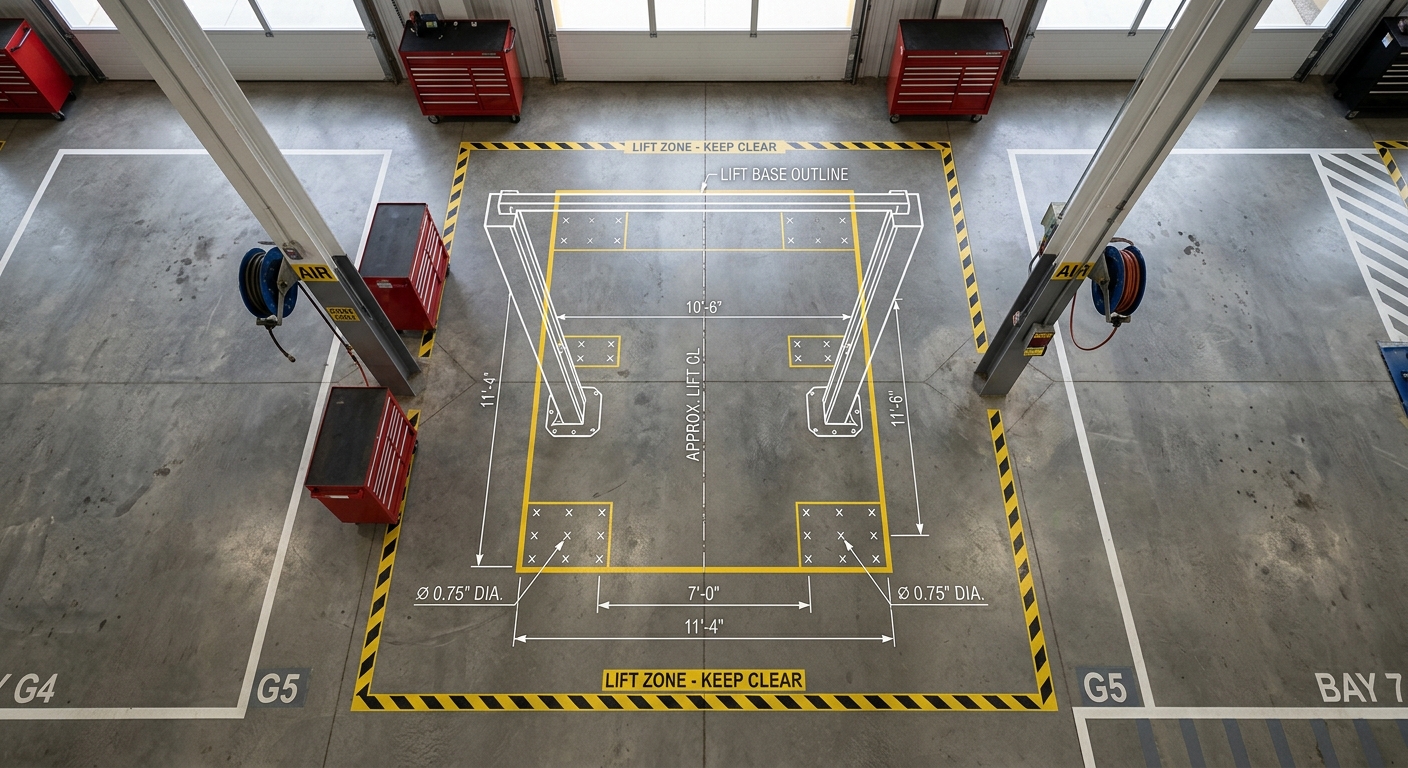
A lift can fit within the listed equipment dimensions and still be difficult to use. Workshop planning must account for vehicle approach, door opening, technician movement, tool access and overhead obstructions—not only the lift footprint shown on a specification sheet.
Important 2-post car lift measurements include more than the total width and column height. Before finalizing the bay, check:
Overall column-to-column width
Drive-through clearance
Inside column spacing
Maximum lifting height
Overall lift height
Overhead crossbeam height
Minimum lifting-pad height
Front and rear arm reach
Arm swing area
Vehicle door-opening clearance
Distance from walls and adjacent equipment
Space for tool carts and transmission jacks
When reviewing 2-post car lift drawings, identify which dimensions represent the equipment itself and which dimensions must be added for safe operation. A lift may look compact in a technical drawing but still feel restricted once a vehicle, technician and tool cart occupy the same bay.
2-Post Lift Working Clearance
To confirm the real working footprint, position a representative vehicle in the proposed bay and check:
Whether the swing arms can reach the lifting points
Whether the vehicle doors can open without hitting the columns
Whether technicians can walk around both sides
Whether a transmission jack can move beneath the vehicle
Whether nearby cabinets or equipment block the arm path
Whether the vehicle can enter and leave the bay in a straight line
These practical checks are often more useful than relying only on published 2-post lift layout dimensions.
4-Post Lift Total Working Depth
A 4-post lift requires more depth than the runway length alone. Use the following planning formula:
Total working depth = runway length + ramp length + straight approach distance + working clearance
Runway length: The section that supports the vehicle.
Ramp length: The entry ramps extending beyond the main runways.
Straight approach distance: The space required to align the vehicle before driving onto the lift.
Working clearance: The space required to open doors, walk around the lift and access equipment.
A 4-post lift that technically fits between two walls may still be difficult to load if the vehicle must approach from a tight angle.
Floor and Installation Requirements
2-Post Lift Concrete and Anchoring Requirements
A 2-post lift transfers the vehicle load through two columns secured to the workshop floor. The required slab thickness, concrete strength, reinforcement, anchor type and installation method vary according to the exact model and lifting capacity.
Do not assume that a general concrete recommendation applies to every lift. Before purchase and installation:
Obtain the installation manual for the exact lift model
Confirm the existing slab thickness and concrete strength
Check for cracks, expansion joints and embedded services
Verify the required anchor type and embedment depth
Confirm the required distance from slab edges
Use a qualified installer where required
If the slab construction cannot be verified, consult a qualified structural or concrete professional before anchoring the lift.
4-Post Lift Floor Requirements
A 4-post lift distributes the load across four columns. Some models are designed to operate as free-standing systems, while others may require or recommend anchoring.
Free-standing capability does not mean the floor condition can be ignored. The floor must still be level, stable and suitable for the combined weight of the lift and vehicle.
Always follow the selected model’s installation instructions, particularly when heavy vehicles, rolling bridge jacks or frequent commercial operation are involved.
Ceiling Height and Overhead Clearance
Ceiling height calculations must account for more than the external height of the lift.
Maximum lift rise
Vehicle height
Roof racks and antennas
Overhead crossbeams
Lights
Garage doors and door tracks
Ventilation ducts
Sprinkler pipes
Electrical services
Measure the ceiling at the exact proposed lift location. An average building height is not sufficient when beams, doors or utilities cross the bay.
Choosing the Right Lift Capacity
Lift capacity should be selected according to the heaviest vehicles the workshop is expected to service, not only the vehicles currently handled most often.
Consider:
Vehicle gross weight
Front-to-rear weight distribution
Wheelbase and track width
Vehicle modifications
Commercial equipment or cargo carried in the vehicle
Electric vehicle battery weight
Future changes in the customer vehicle mix
For a 2-post lift, also check the rated capacity of each arm and the permitted front-to-rear load distribution. The total capacity assumes that the vehicle is positioned correctly and supported within the manufacturer’s limits.
For a 4-post lift, confirm:
Runway capacity
Runway width
Maximum wheelbase
Tire clearance
Bridge-jack capacity
Vehicle approach angle
Do not purchase a lift rated only at the exact weight of the heaviest vehicle. Select a model that provides an appropriate operating margin while remaining suitable for the workshop floor, vehicle range and intended services.
Vehicle weight, wheelbase and load distribution should all be checked before selecting lift capacity.
Real-World Workshop Scenarios
General Repair Garage
A general repair garage handling brakes, suspension, exhaust and routine mechanical service will normally benefit most from 2-post lifts.
A practical starting arrangement may include several asymmetric or flexible-arm 2-post lifts. A 4-post lift can be added later when the business begins offering alignment, inspection or storage services.
Tire and Alignment Shop
A tire and alignment specialist usually needs at least one dedicated alignment lift. A practical equipment mix may include:
A 4-post alignment lift for measurement and adjustment
A 2-post lift for suspension and brake work
A scissor lift for quick tire service, depending on bay layout
This combination allows each service stage to take place on equipment designed for that task.
Dealership Service Department
A dealership handling passenger cars, SUVs, pickups and commercial vehicles may require several lift types.
Two-post lifts can serve general mechanical bays, while 4-post lifts can support alignment, inspection and heavier vehicles. Scissor lifts may be used in quick-service areas.
Workshop With Limited Ceiling Height
A floor-plate 2-post lift or suitable low-rise lift may be considered when overhead clearance is restricted.
A 4-post lift may also be possible, but the combined height of the raised platform and vehicle must be checked carefully. Do not select a lift simply because its columns fit below the ceiling.
Leased Workshop Where Drilling Is Restricted
When the property owner does not permit floor anchoring, a 4-post model specifically designed for free-standing operation may be an option.
Free-standing operation is model-dependent. Confirm the manufacturer’s requirements and obtain the property owner’s approval before installation.
Lift certification and equipment quality are important, but safe operation also depends on consistent procedures. Operators should be trained on the exact lift model and follow the manufacturer’s operating manual.
Before Raising a Vehicle on a 2-Post Lift
Confirm that the vehicle weight is within the lift capacity
Identify the manufacturer-approved vehicle lifting points
Make sure all lifting pads contact the correct points
Confirm that extensions and adapters are properly seated
Check that swing-arm restraints are engaged
Secure doors, hood and loose cargo
Clear the area beneath and around the vehicle
Raise the vehicle only a short distance initially. Pause and verify that it is balanced and properly supported before continuing to working height. Use the stability-check procedure specified by the lift manufacturer rather than an improvised method.
Before Raising a Vehicle on a 4-Post Lift
Center the vehicle on the runways
Confirm that the tires are fully supported
Position wheel stops correctly
Use the parking brake and wheel chocks as required
Keep ramps and runway surfaces clear
Confirm that mechanical locks engage correctly
Check overhead clearance
Position bridge jacks and accessories correctly
For vehicle storage, lower the lift onto its mechanical locks rather than leaving the load supported only by hydraulic pressure.
Maintenance and Long-Term Ownership
The lift with the lowest purchase price does not always deliver the lowest long-term cost. Maintenance requirements vary by lift design, operating frequency and workshop environment.
2-Post Lift Maintenance Focus
Regularly inspect:
Swing-arm restraints
Lifting pads and adapters
Anchor condition
Hydraulic hoses
Cylinders and seals
Equalization cables or chains
Safety locks
Fasteners and column condition
Component replacement intervals should follow the manufacturer’s requirements and inspection results rather than a universal timetable.
4-Post Lift Maintenance Focus
Regularly inspect:
Runways
Cables or chains
Sheaves and pulleys
Lock ladders and safety pawls
Hydraulic components
Ramp hinges
Wheel stops
Rolling bridge jacks
Runway level and synchronization
Uneven runway movement, unusual noise or inconsistent lock engagement should be investigated before the lift returns to service.
A 4-post lift commonly requires a larger footprint and may involve additional bridge jacks or alignment accessories. A 2-post lift may require more demanding slab verification and anchoring work.
When comparing quotations, include:
Equipment price
Freight
Installation
Concrete preparation
Electrical work
Hydraulic oil
Vehicle adapters
Rolling bridge jacks
Alignment accessories
Operator training
Periodic inspection
Replacement parts
Workshop space occupied
The better-value lift is the one that supports profitable work consistently, fits the building and remains practical to operate throughout its service life.
How to Make the Final Decision
Before making a final two-post vs four-post lift decision, answer five questions:
Which service generates the most workshop revenue? Select equipment for the work performed every week, not a rare edge case.
Do technicians need frequent wheel-free access? If yes, a 2-post lift will normally provide the more efficient workflow.
Will the lift be used for wheel alignment or vehicle storage? If yes, a suitable 4-post lift is likely to be required.
What do the floor, ceiling and bay dimensions allow? Verify the site before ordering the equipment.
How will the workshop expand? Plan future alignment, EV, van or fleet services before fixing the final bay layout.
For many new general repair shops, a practical growth path is to install a suitable 2-post lift first, add another as repair volume increases and introduce a 4-post lift when alignment, storage or heavier-vehicle demand justifies it.
If alignment is already a core service, the 4-post alignment lift may need to be installed from the beginning.
Frequently Asked Questions
Is a 2-post lift or 4-post lift better for general repair?
A 2-post lift is normally better for general repair because the wheels hang freely and technicians have direct access to brakes, suspension, exhaust and undercarriage components.
How should I compare a 4-post car lift vs 2-post lift?
Compare the lifts according to your main services, wheel-access requirements, vehicle range, concrete slab, ceiling height, bay depth and future workshop plans. A 2-post lift favors mechanical repair, while a 4-post lift favors alignment, inspection and storage.
What dimensions of a 2-post car lift should I check?
Check the overall width, inside column spacing, drive-through width, column height, overhead beam height, maximum rise, minimum pad height, arm reach and required working clearance around the vehicle.
Can wheels be removed while a vehicle is on a 4-post lift?
Yes, but compatible rolling bridge jacks or other manufacturer-approved lifting accessories are normally required to raise the wheels away from the runways.
Can a standard 4-post lift be used for wheel alignment?
Not necessarily. Accurate alignment normally requires a lift designed or configured for alignment work, including suitable turn-plate and slip-plate provisions.
Does a 4-post lift need to be anchored?
Some 4-post lifts are designed for free-standing operation, while other models require or recommend anchoring. Follow the installation requirements for the exact model.
Which is better for a home garage, a 2-post or 4-post lift?
A 2-post lift is usually better for a home garage focused on brake, suspension, exhaust and other wheel-off repairs. A 4-post lift is often a better fit when drive-on convenience, parking or long-term vehicle storage is the main priority. The final choice should also account for ceiling height, concrete condition, available footprint and the exact vehicle range.
How thick should concrete be for a home garage lift?
The required slab thickness and concrete strength depend on the exact lift model, capacity, anchor system and installation method. Do not rely on a general thickness figure. Check the manufacturer’s installation manual, verify the existing slab and consult a qualified concrete or structural professional if the slab construction cannot be confirmed.
Can a 2-post lift be installed in a home garage?
It may be possible when the ceiling, concrete slab, electrical supply and surrounding clearance meet the lift manufacturer’s requirements. The slab condition should be verified before installation.
Which lift is better for vehicle storage?
A 4-post lift is generally the better choice for vehicle storage because the vehicle sits on its tires and the lift can be lowered onto mechanical locks. Confirm that the selected model is approved for the intended storage use.
What does 2-post vs 4-post rack mean?
Some buyers use terms such as “2-post vs 4-post rack” when comparing workshop lifts. In automotive equipment, the clearer product terms are 2-post car lift and 4-post car lift. The word “rack” is more commonly associated with alignment racks or drive-on platforms.
Which lift should a new repair shop buy first?
A new shop focused on general mechanical repair will normally gain more daily use from a 2-post lift. A shop focused on wheel alignment, inspection or vehicle storage may need a 4-post lift first.
Conclusion
The decision between a 2-post or 4-post car lift should be based on the intended workflow and available garage conditions rather than appearance or purchase price alone.
Choose a 2-post lift when wheel-free access and general mechanical repair are the priority. Choose a 4-post lift when drive-on inspection, storage or heavier-vehicle support is more important.
Before ordering for a workshop or home garage, confirm the exact vehicle range, floor construction, ceiling height, approach space and intended storage use. A lift that matches the work performed most often will deliver better space utilization, safer operation and stronger long-term value.
Yes. We provide OEM and ODM services, including logo printing, custom colors, packaging design, and product specification adjustments. Available options depend on the product type and order quantity.
What is your minimum order quantity (MOQ)?
MOQ requirements vary by product. Most standard products are available in flexible quantities, while customized branding, packaging, or product development may require a minimum order. Contact us with the product model and required quantity for confirmation.
Do you offer samples?
Samples or trial orders are available for most product categories. Sample charges and refund terms depend on the selected product and will be confirmed before ordering.
Which ports do you ship from?
We can arrange shipment from major ports in China, including Shanghai, Ningbo, Shenzhen, and Qingdao. The final port will be selected according to the product location and shipping arrangement.
Which trade terms do you support?
We support EXW, FOB, CIF, and other standard international trade terms. The available option will be confirmed in your quotation based on the order and destination.
Can you supply products beyond your catalog?
Yes. If you cannot find the required automotive tool or workshop equipment in our catalog, send us your specifications, target quantity, and application. Our team can help identify and source a suitable solution.