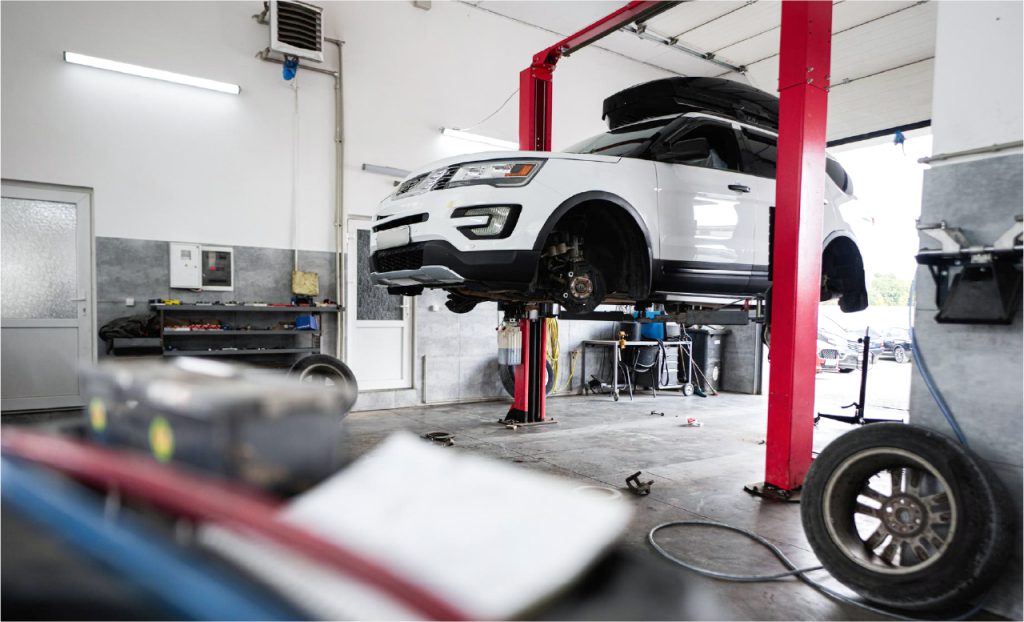
Auto Repair Shop Equipment Checklist: Budgeting for Startup, Growing, and Full-Service Garages
A startup garage can open the doors with $15,000–$35,000 in core equipment, a growing shop needs $40,000–$90,000 to add capacity and services, and a full-service operation typically has $100,000–$250,000+ tied up in lifts, diagnostics, and specialty machines. The trick isn't spending more — it's spending in the right order, buying equipment that matches the jobs you're actually taking on right now, not the jobs you hope to take on someday.
Why Buying Equipment in the Wrong Order Kills New Shops
Here's a mistake we see constantly: a new shop owner drops $18,000 on a top-tier alignment system before they even have a second lift. Six months later they're turning away oil changes because there's only one bay and it's occupied by a car waiting on an alignment slot that rarely gets booked.
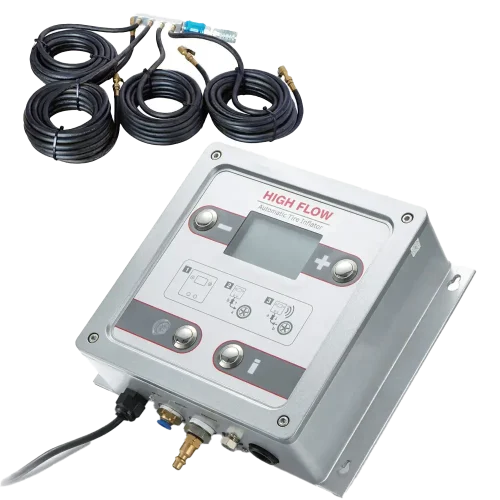
Equipment should follow revenue, not the other way around — and low-cost, high-use tools like a digital tyre inflator usually pay for themselves fastest. The sequence that actually works: lifting capacity first, diagnostics second, tire service third, then specialty equipment as specific service demand shows up. Skipping steps to look impressive on day one is how working capital disappears before the first slow month hits.
If you haven't finalized your bay layout yet, it's worth reading how to set up a professional automotive workshop before locking in any purchase order — layout mistakes are expensive to undo once concrete anchors are in the floor.
Startup Garage Checklist: $15,000–$35,000
At this stage you need equipment that does one job well, not equipment that does everything adequately. A single quality lift beats two cheap ones every time.
Core equipment
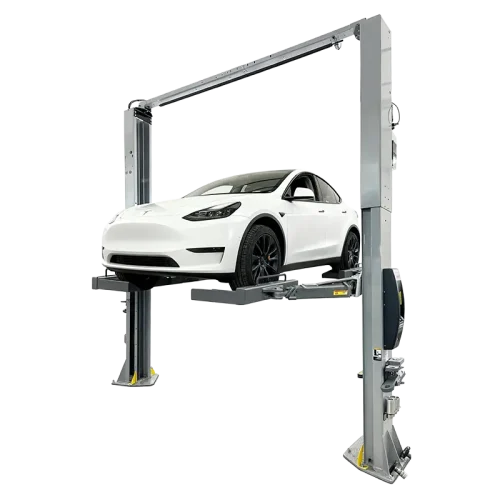
One 2-post lift (9,000–10,000 lb capacity covers most passenger vehicles and light trucks) — $3,500–$6,000
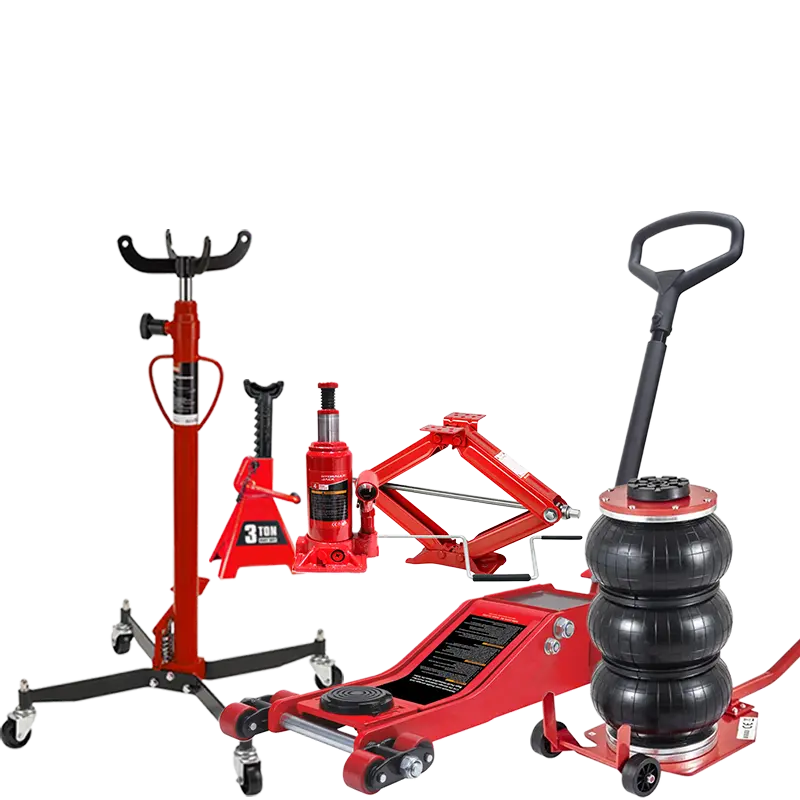
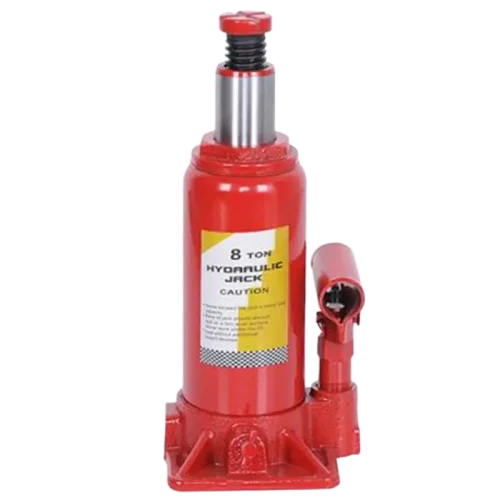
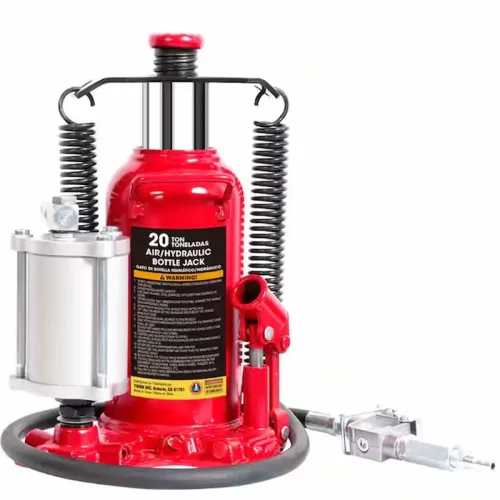
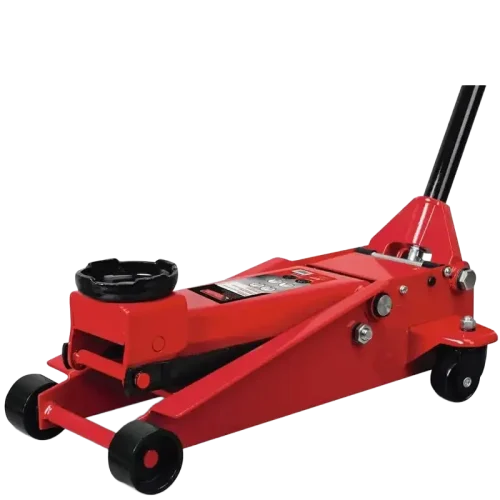
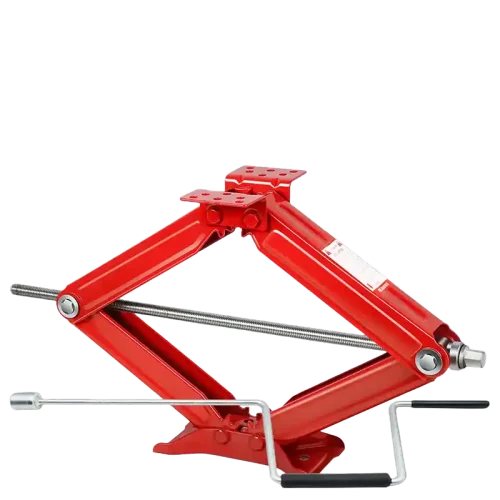
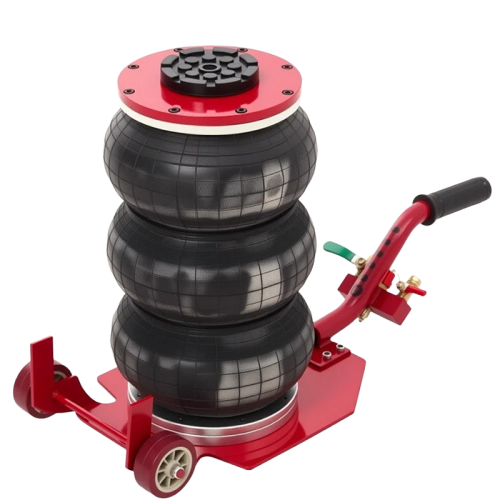
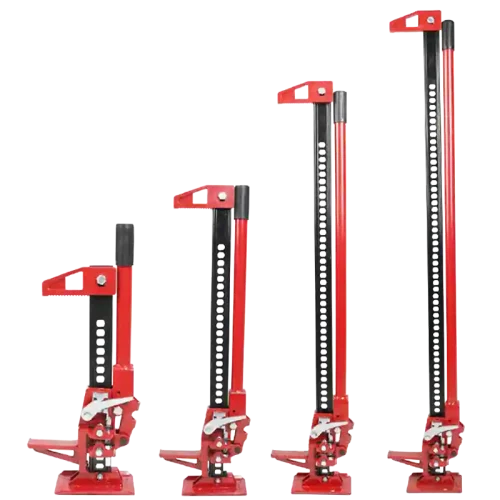
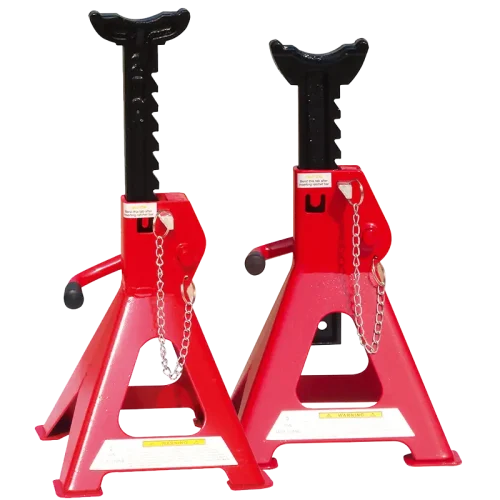
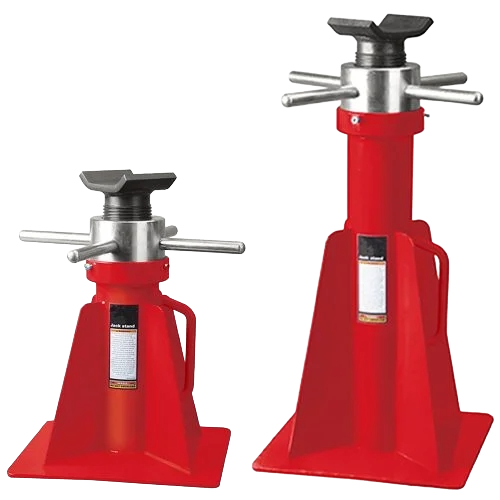
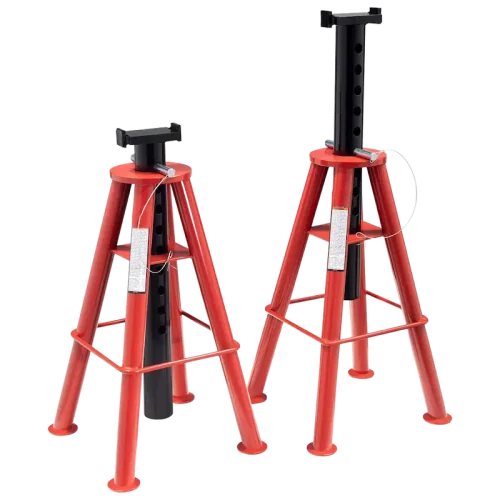
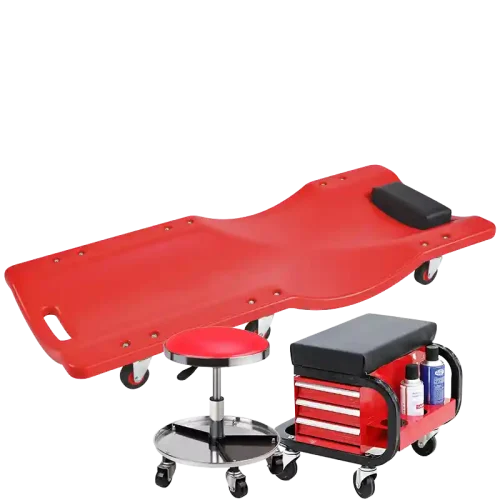
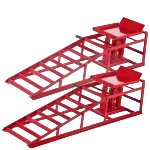
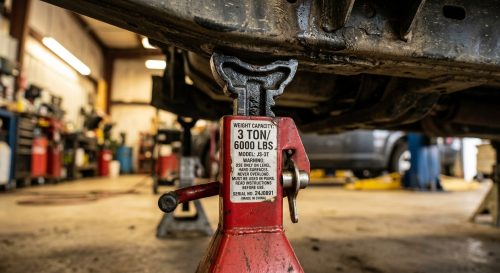
A set of jack stands rated for your heaviest expected vehicle, plus a hydraulic floor jack (compare options from Winsen)
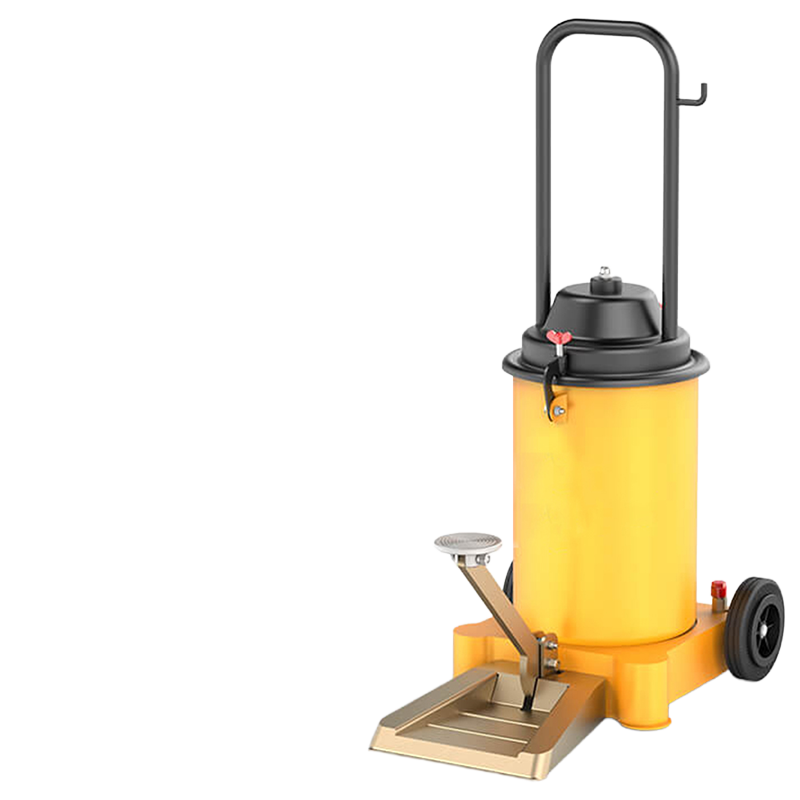
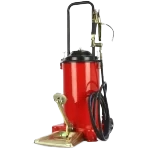
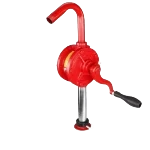
Manual grease gun setup — air or electric can wait
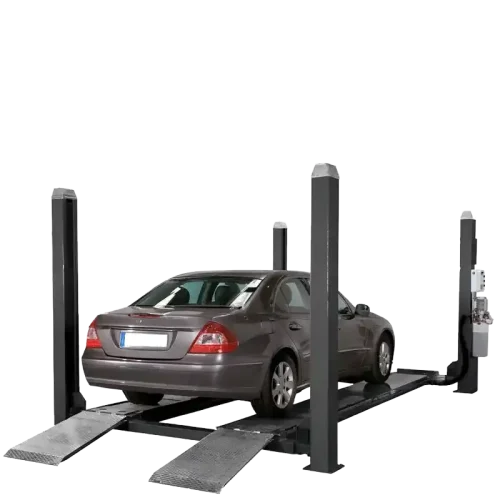
Resist the temptation to buy a 4-post lift here. A 2-post lift takes up less floor space and services vehicles faster for routine work — brakes, oil changes, suspension jobs. Save the 4-post for alignment work later. For the full breakdown, our auto repair shop equipment list for new workshops covers this stage in more depth.
One thing new owners skip and regret: jack stand safety training. A single stand failure can shut down a startup permanently, both financially and legally. Our guide on jack stand safety ratings is worth five minutes before you buy.
Startup auto repair garage with a single two-post lift and basic hand tools
Growing Garage Checklist: $40,000–$90,000
This is the stage where owners either scale smart or overspend on the wrong things. You've got steady booking volume now, probably 15–25 cars a week, and single-lift bottlenecks are costing you real money in turned-away appointments.
What to add
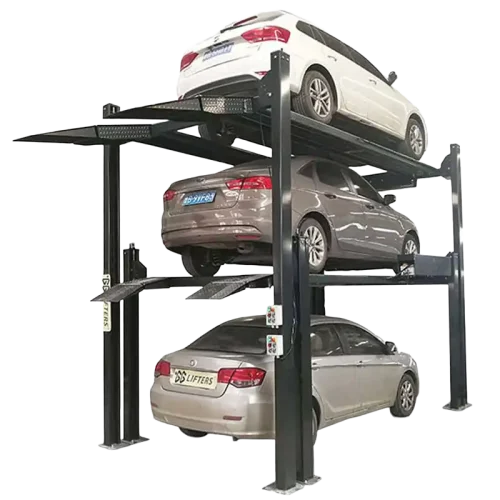
A second and third lift — mix a 2-post with one 4-post lift for alignment and heavier suspension work. See 2 post lift vs 4 post lift for which configuration fits your bay mix
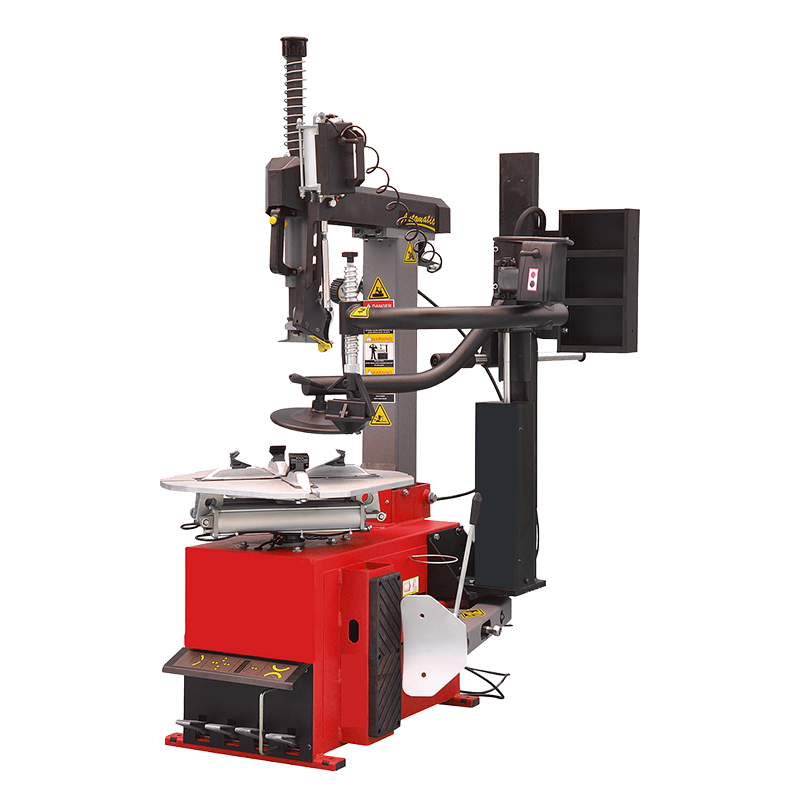
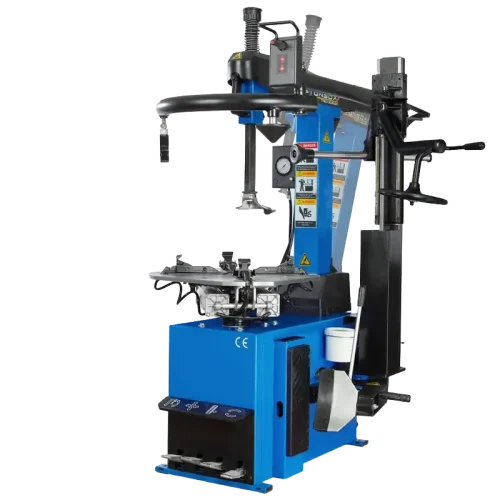
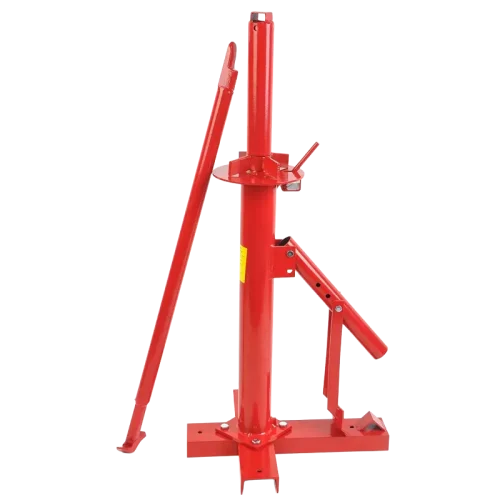
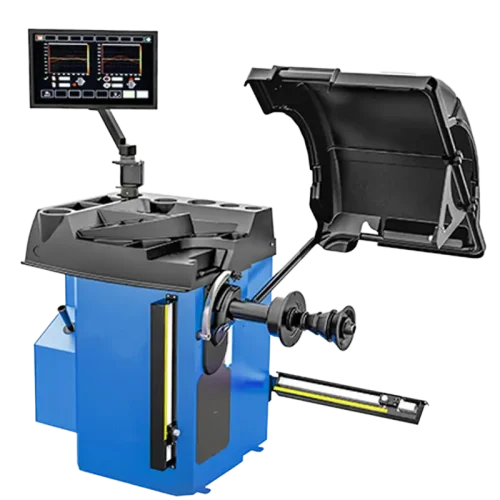
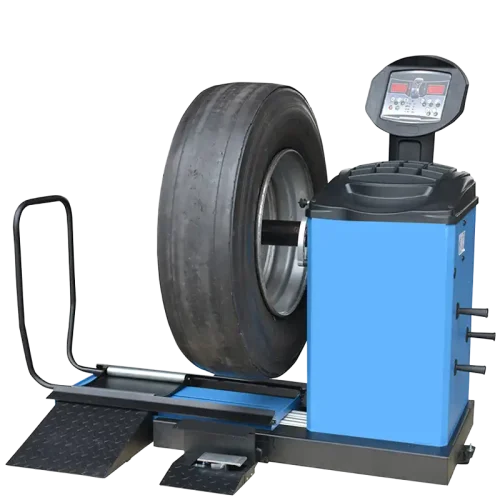
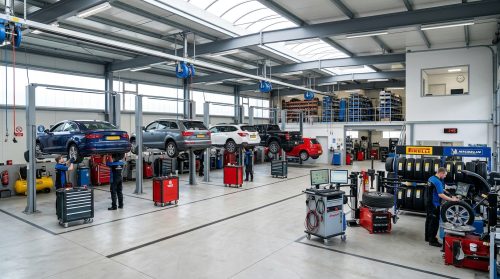
Upgrade to a semi-automatic tyre changer paired with a computerized wheel balancer — tyre changer and wheel balancer package guidance can save you from buying mismatched units
Professional-grade scan tool covering multiple manufacturers, not just generic OBD2 codes
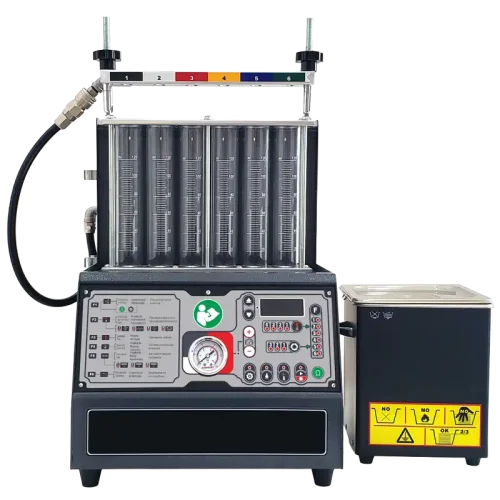
Fuel injector tester if drivability diagnostics are becoming a regular ticket type
Air-operated grease pump if you're doing more than 10 lube jobs a week — manual pumps become a real time sink at that volume
For example, a two-bay shop that recently added motorcycle repair to its service menu found that a single dedicated motorcycle lift table paid for itself within four months just from reduced technician injury risk and faster turnaround — details on that setup are in setting up a motorcycle repair shop.
Growing auto repair garage with two lifts and a tyre changer and balancer setup
Full-Service Garage Checklist: $100,000–$250,000+
At full-service scale, the equipment list stops being about basic capability and starts being about throughput and service breadth. You're competing on how many different jobs you can handle without sending customers elsewhere.
What separates full-service shops
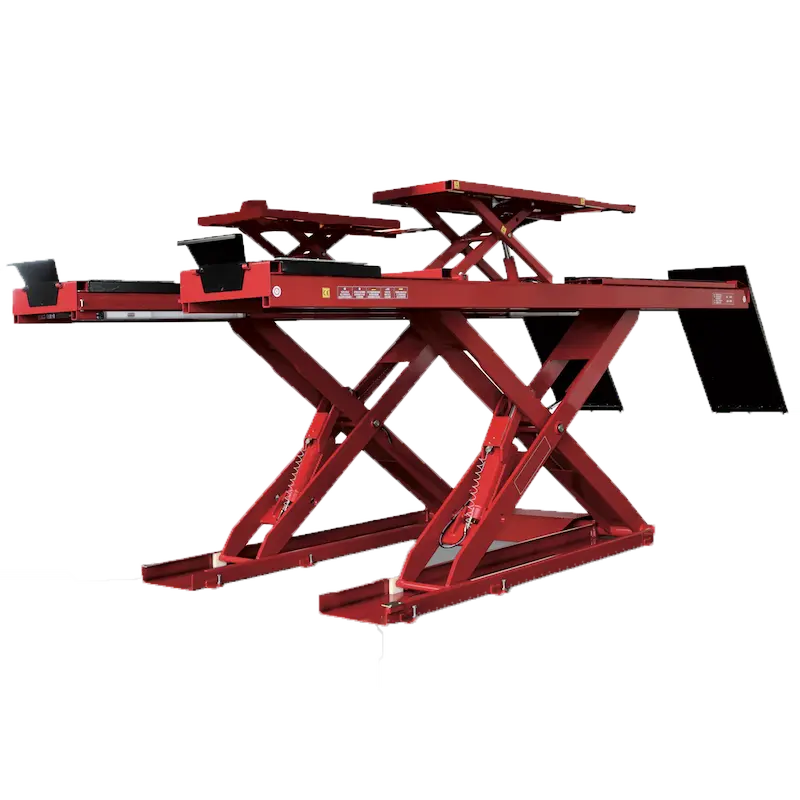
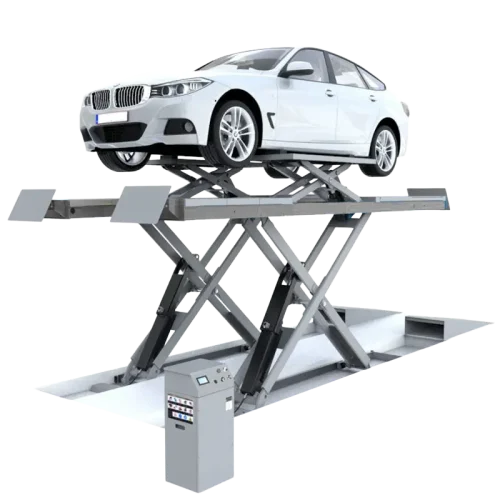
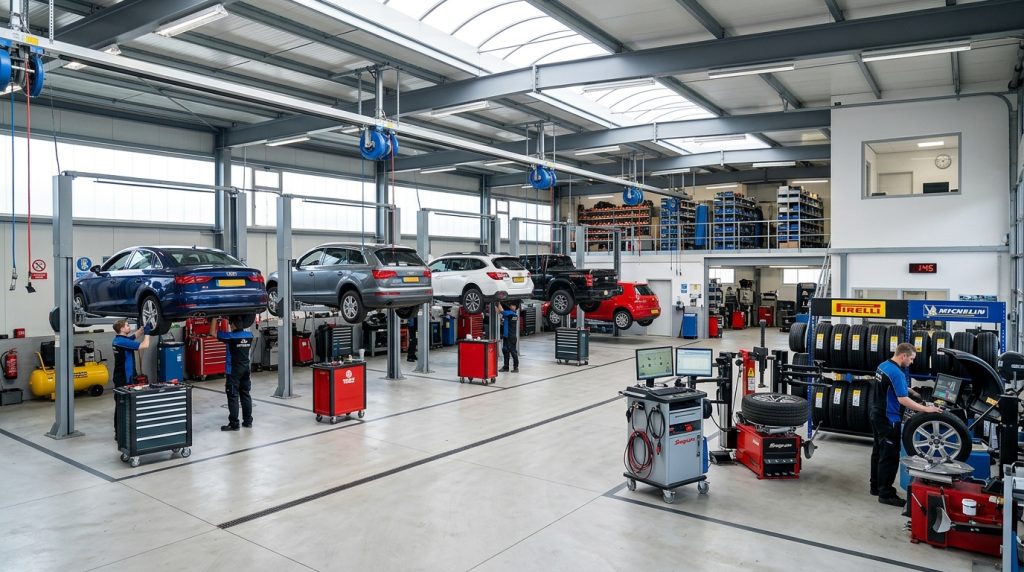
Four or more lifts across 2-post, 4-post, and scissor configurations to run parallel jobs without bay conflicts
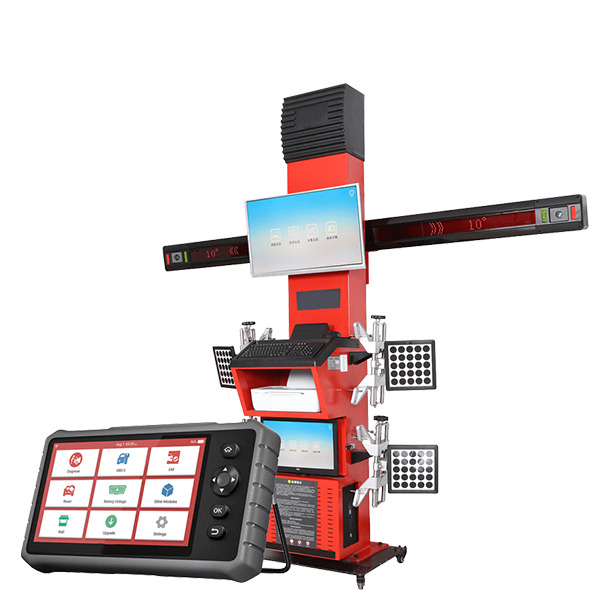
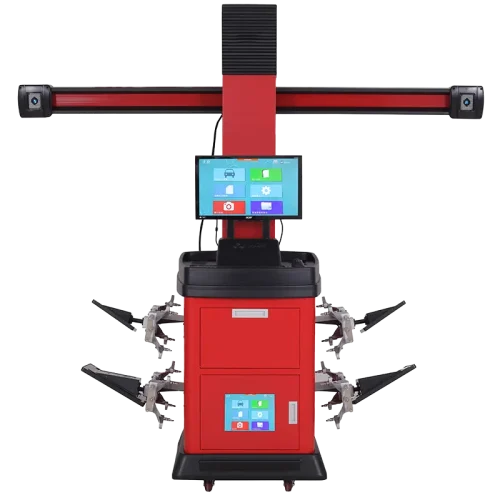
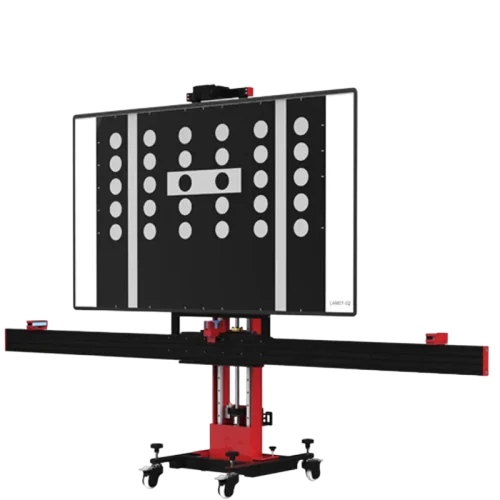
Full wheel alignment system — this alone can run $8,000–$25,000 depending on camera-based vs. traditional setups
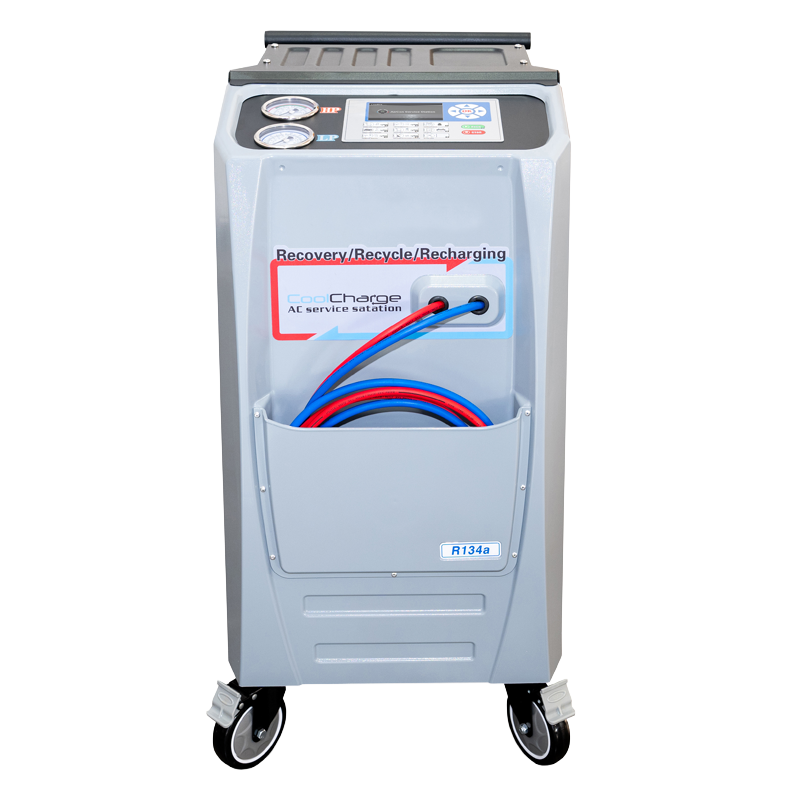
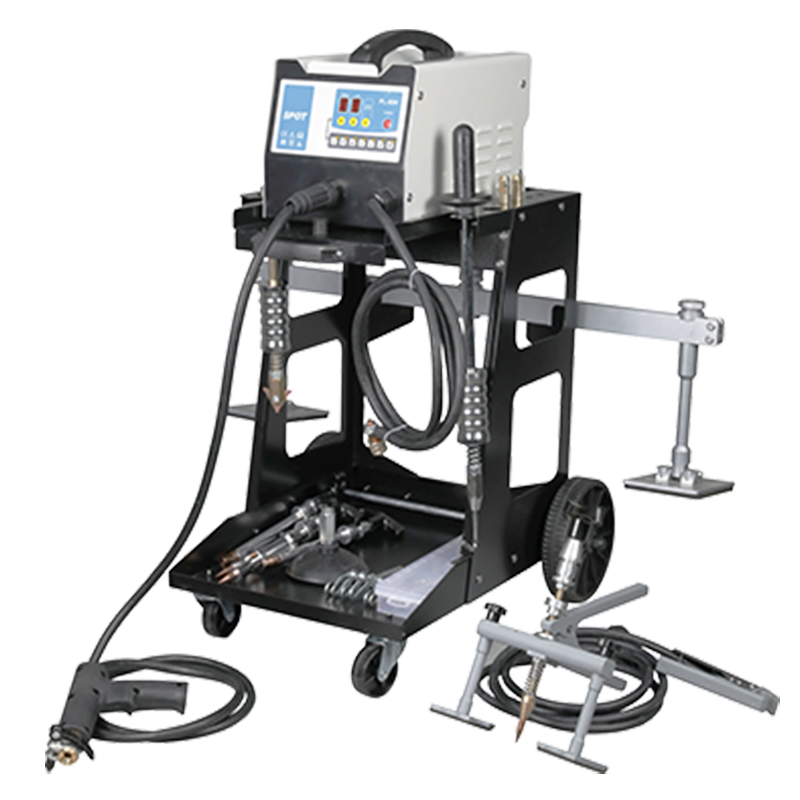
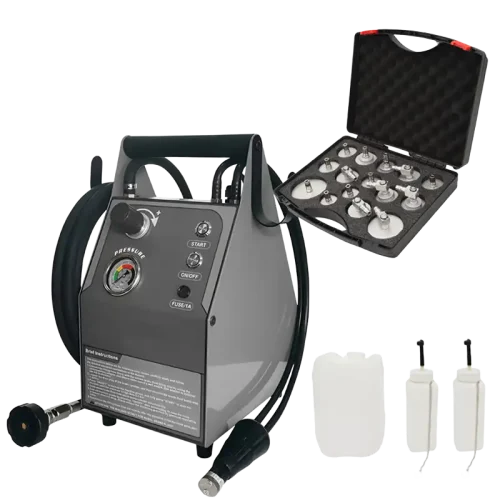
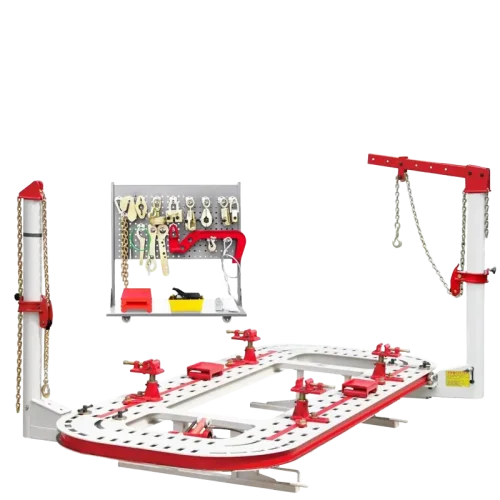
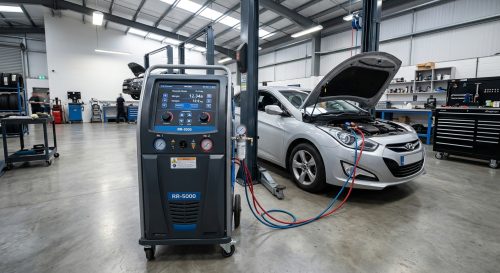
Car AC service machine, ultrasonic fuel injector tester, and body repair frame equipment
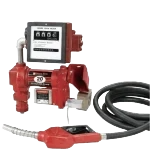
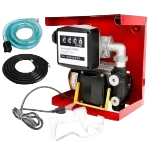
Electric grease and oil dispensing systems across multiple bays — see grease pump systems compared for what actually scales
Heavy-duty scan tools capable of handling commercial trucks if fleet work is part of the revenue mix
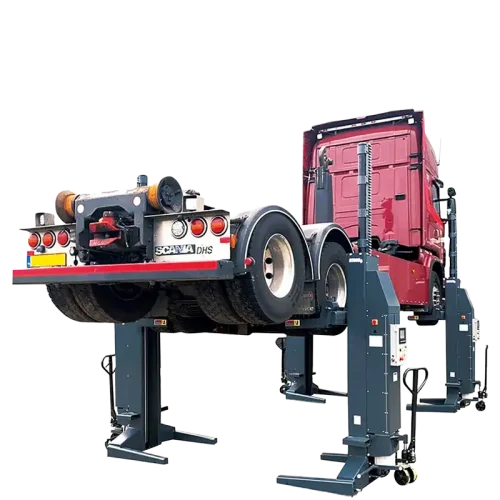
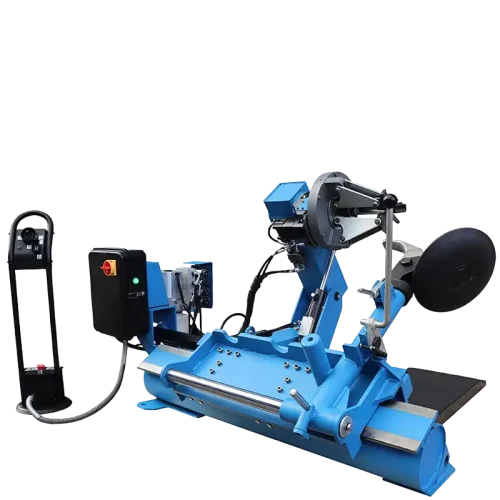
A full-service shop taking on truck and bus maintenance contracts needs an entirely different lift category — check truck and bus workshop lift options before assuming a heavy-duty passenger lift will handle commercial GVW ratings. It usually won't.
Full-service auto repair facility with multiple lifts and alignment system
The Line Item Owners Always Underbudget
Ask ten shop owners what they'd change about their first equipment purchase, and most will say the same thing: they underbudgeted for maintenance and safety inspection tools, not the big machines.
A hydraulic lift that isn't inspected on a routine schedule is a liability, not an asset. Set aside 3–5% of your annual equipment budget specifically for inspection and maintenance tools and scheduled service — not repairs after something fails. Our hydraulic lift safety inspection routines guide breaks down exactly what a compliant inspection schedule looks like and what it costs in technician hours.
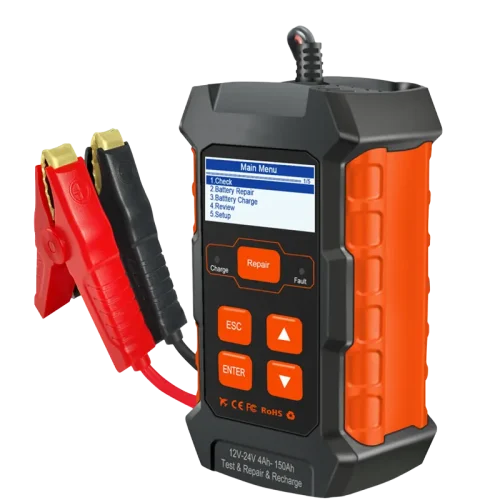
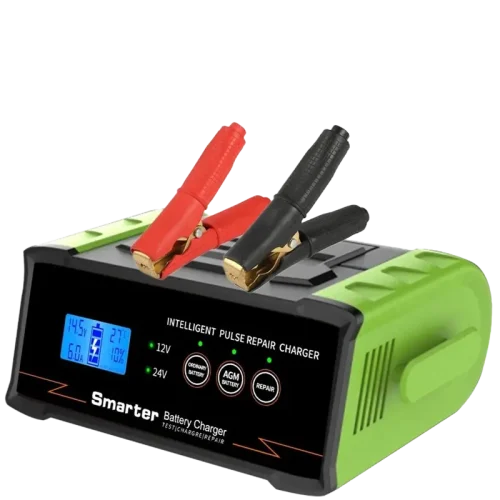
Battery testing equipment is another line item people forget entirely, then realize they're turning away easy diagnostic revenue. A decent multimeter-based testing setup costs under $200 — see automotive battery testing with a multimeter for what to buy and how it pays back almost immediately.
New vs. Used Equipment: Where the Math Actually Works
Buying used isn't automatically the smart move — it depends entirely on which piece of equipment you're talking about.
Good candidates for used purchase
Jack stands and floor jacks with verified safety ratings still intact
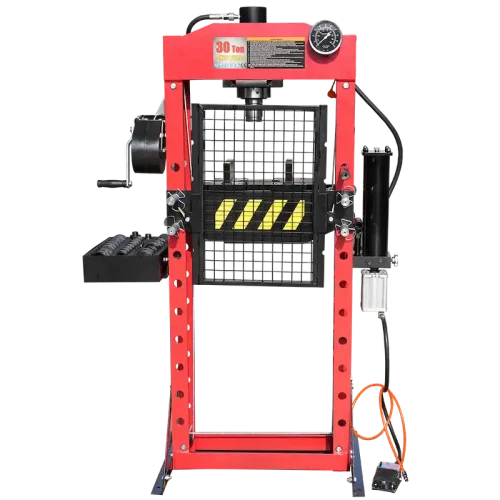
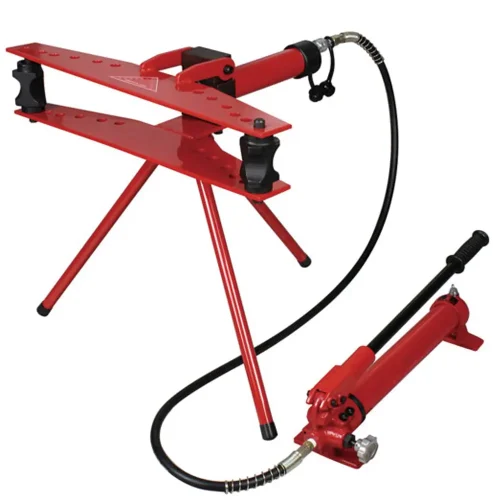
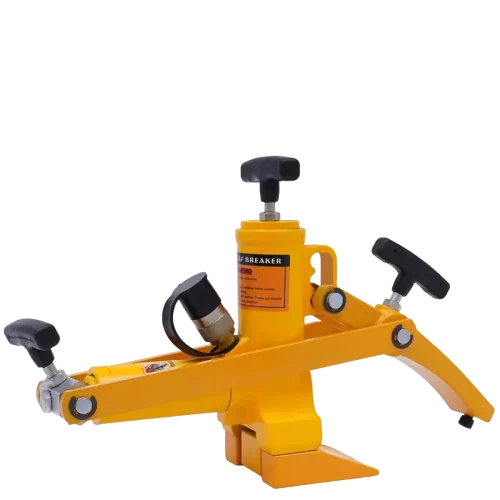
Basic hydraulic shop presses — mechanically simple, easy to inspect for wear
Avoid buying used
Wheel balancers — calibration drift is hard to verify without specialized testing
Lifts with unknown inspection history — a used lift with no maintenance records is a gamble no shop should take
Diagnostic scanners — software licensing and update access often don't transfer
For instance, a tire shop expanding into a second location saved roughly $4,000 buying a used hydraulic press and jack stands from a closing competitor, but paid full price for a new lift and scanner because the risk of hidden wear wasn't worth the discount.
Financing the Purchase Without Overleveraging
Most shops finance at least their lifts and tyre equipment rather than paying cash — and that's usually the right call, since these are long-life assets that keep earning for 10–15 years.
A common structure: finance lifts and alignment systems over 4–5 years (they're durable and hold resale value), but pay cash for consumables and smaller tools like grease guns and hand tools that depreciate fast and don't qualify for good loan terms anyway. Lenders also tend to offer better rates on equipment with recognizable resale value — a name-brand lift or tyre changer will get better financing terms than a generic import with no aftermarket parts support.
Yes, OEM and ODM services are available. We support logo printing, custom packaging, and
product design based on your needs.
What is your Minimum Order Quantity (MOQ)?
No MOQ for the regular products. However, customized branding or packaging may require a
minimum quantity. Please contact us for details based on the specific product.
Do you offer samples?
We offer samples for evaluation. While not free, sample fees can be refunded or deducted
once a formal order is placed.
Which ports do you ship from?
We can ship from major ports across China, including Shanghai, Shenzhen, Ningbo,
Qingdao, and more.
What terms of payment are acceptable
We accept EXW, FOB, CIF, and other standard international terms.
Can you supply products beyond your catalog?
Yes, we help source automotive tools and equipment based on your specific
requirements.