Hydraulic Shop Press Buying Guide: Tonnage, Frame Style, and Real Workshop Use
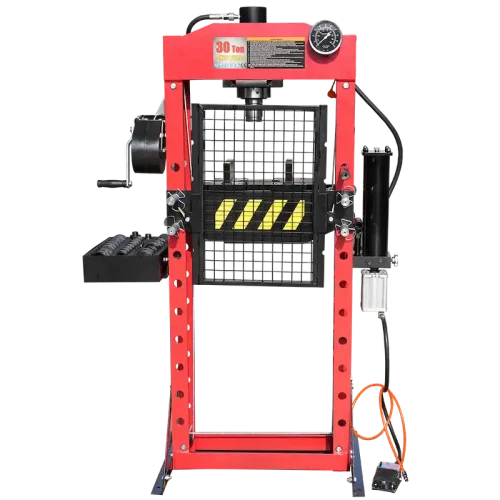
For most general repair shops, a 30–50 ton H-frame hydraulic press with an air/hydraulic pump handles 90% of real workshop jobs — bearings, ball joints, bushings, and U-joints — without being overkill. Tire shops and motorcycle specialists can usually drop to 10–20 ton bench models, while truck and fleet workshops need 75–100 ton heavy frames. The mistake we see most often isn’t buying too little tonnage — it’s buying a frame that doesn’t fit the parts you actually press.
Start With Tonnage: What Your Real Jobs Actually Need
Tonnage is the headline number, but it’s also the most misunderstood. The force needed to press out a stuck bearing is rarely the bearing’s spec — it’s that spec plus rust, corrosion, and time. A car wheel bearing rated for a 5-ton press fit can easily need 15–20 tons to remove after five winters on salted roads.
Here’s a practical rule of thumb based on what comes through a typical repair bay:
Buy roughly 1.5x the tonnage of your average job, not your maximum. A shop that mostly does passenger cars but occasionally touches a light truck is better served by a 50-ton press than a 30-ton one — the extra capacity adds maybe 15% to the price but removes the nervous moments when something won’t budge.
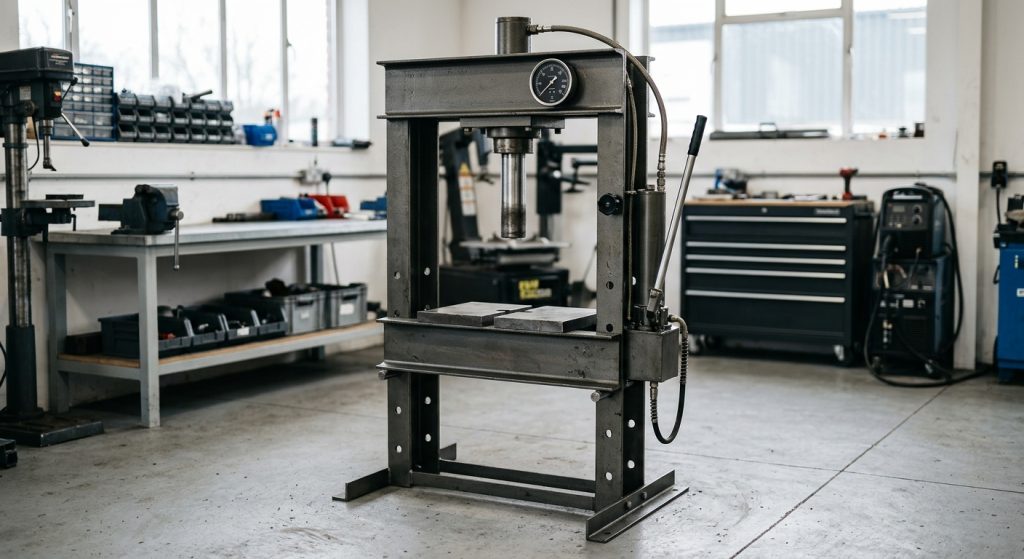
50-ton H-frame hydraulic press side view in workshop
H-Frame vs C-Frame: Why Frame Style Matters More Than You Think
Frame geometry decides what parts you can actually press, not just how hard you can press them. An H-frame uses two vertical posts with a movable bed that adjusts up and down — this lets you work on tall parts like driveshafts or short ones like bearings without changing setup. A C-frame (or bench press) has an open front, which is faster for small repetitive work but limited in vertical clearance and rigidity.
When H-frame wins
Anything automotive, anything over about 15 tons, and anything where the part shape varies. The adjustable bed is non-negotiable for general repair work.
When C-frame makes sense
High-volume bench operations with consistent part sizes — pressing small bushings into the same housing all day, for example. Production environments, not repair shops.
For instance, a tire and brake shop in a busy urban garage chose a 30-ton H-frame over a tempting 20-ton bench unit because their bed-height needs ranged from 5cm (wheel bearings) to 80cm (full hub assemblies). The bench unit would have forced awkward stacking on every other job.
H-frame floor press and C-frame bench press side by side comparison
Pump Type: Manual, Air/Hydraulic, or Electric?
The pump is where shops underspend and then regret it within six months. A manual hand pump on a 50-ton press means 40–60 pumps to build full pressure on a stubborn bearing. Do that ten times a day and your forearm is the bottleneck.
Manual hand pump: Fine for presses under 20 tons or shops that press something once a week. Cheapest, most reliable, zero air supply needed.
Air/hydraulic pump: The sweet spot for 30+ ton presses in working shops. Requires a compressor (typically 7–10 bar, 200+ L/min), but builds pressure in seconds and saves real labor time. Often switchable to manual mode for fine control.
Electric pump: For high-volume operations or where compressed air isn’t reliable. More expensive and more to maintain.
If your workshop already runs a proper compressor for impact tools and tire equipment, the incremental cost of an air/hydraulic press is small and the payback is fast. A medium-duty repair shop pressing 5–10 components per day will recover the price difference in saved time within a year.
Air over hydraulic pump unit on a workshop press with pressure gauge
Working Height, Throat Width, and Bed Travel
These three numbers determine whether the press fits your work — and they get ignored on most spec sheets. Tonnage tells you the force. These dimensions tell you whether the part actually goes in.
Throat width (between posts)
The horizontal space between the two vertical posts. Standard automotive presses run 500–700mm. Truck and heavy-duty presses need 700–900mm to handle wider assemblies. If you press leaf springs, measure the assembled width before buying.
Bed travel (vertical adjustment range)
How far the bed plates can move up and down. A range of 100–900mm covers most car work. Less than that and you’re constantly stacking blocks; more is wasted on small parts.
Ram stroke
How far the cylinder extends. 150–200mm is normal for shop presses. Longer strokes (250mm+) help with deep press-out jobs like long driveshaft components.
Check these against your largest realistic part before you check the price.
Safety Features Worth Paying For
A hydraulic press storing 50 tons of force is one of the most dangerous tools in a workshop. Pressed bearings don’t fail gracefully — they shatter and launch fragments at high speed. Spend the extra money on these features:
Pressure gauge with red zone: Lets the operator see when they’re approaching rated capacity. Cheap presses sometimes ship without one.
Two-stage ram: Fast approach, slow pressure stroke. Reduces accidental over-travel.
Return spring on the ram: Pulls the cylinder back when pressure releases — avoids parts dropping unexpectedly.
Safety guard or polycarbonate shield: Often optional, always worth it. Mandatory in many EU and ANZ workshops.
Properly sized bed plates and V-blocks: Undersized supports are the most common cause of press accidents.
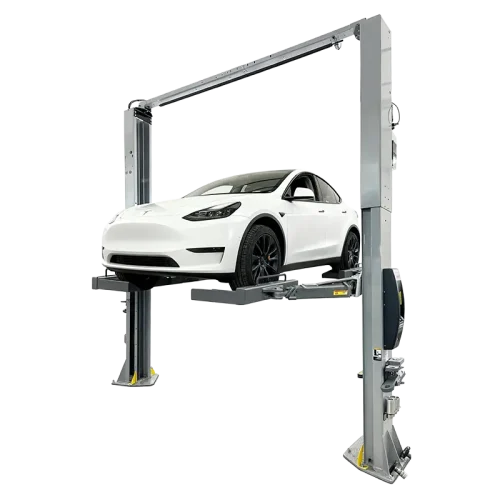
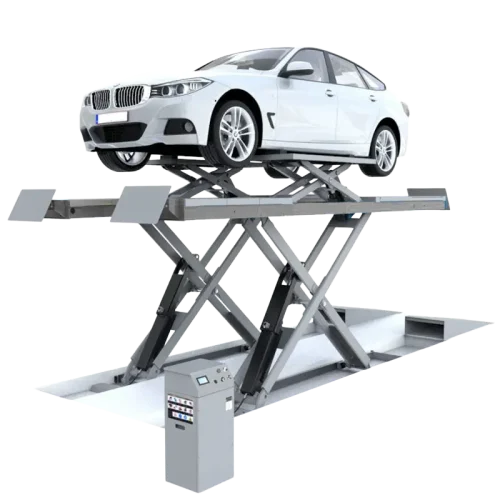
The same logic that drives hydraulic lift safety inspection routines applies to presses: routine checks for hose condition, gauge calibration, and frame welds prevent the worst-case failures.
Real Workshop Scenarios: Matching Press to Shop Type
General car repair shop (3–5 bays)
A 50-ton H-frame with air/hydraulic pump is the standard answer. Handles bearings, ball joints, bushings on everything from compact cars to light SUVs. Throat width around 600mm covers nearly all passenger work.
Tire and brake shop
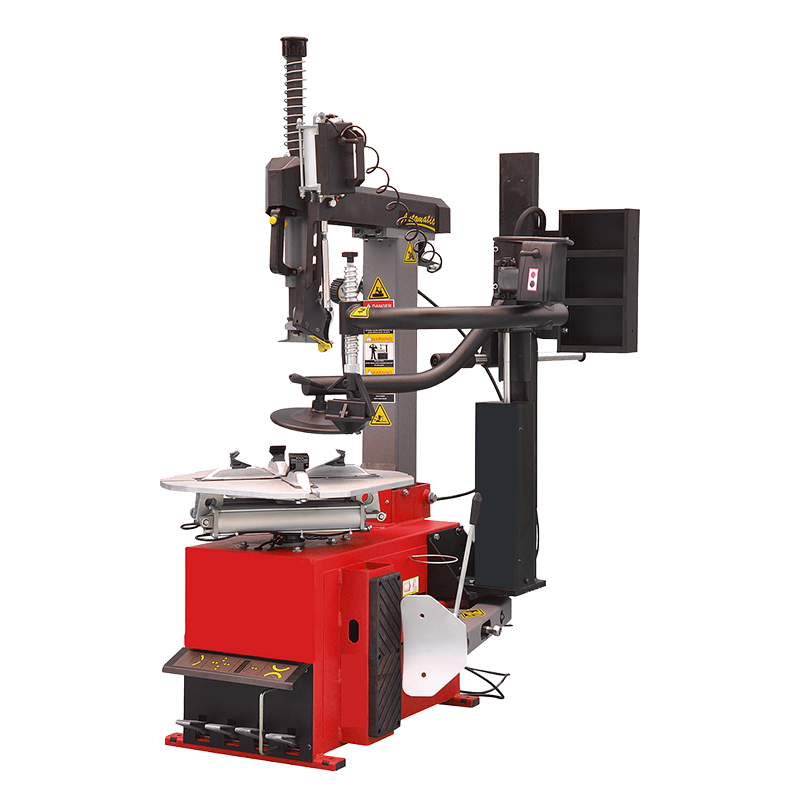
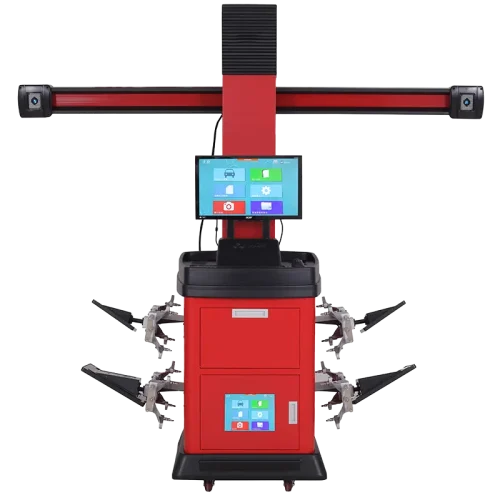
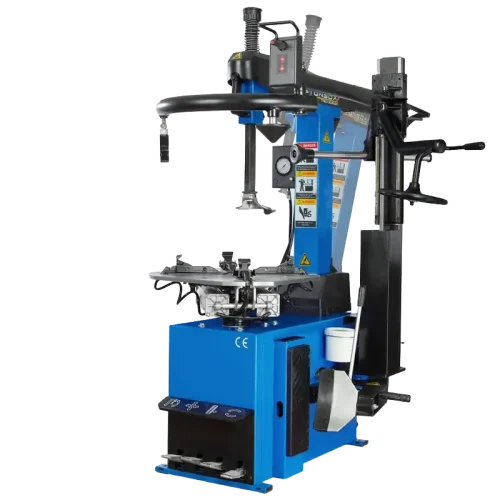
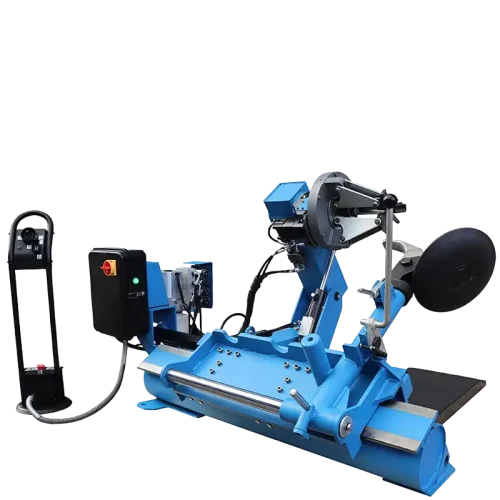
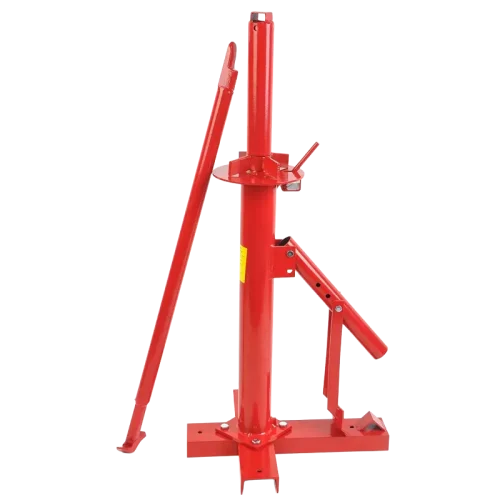
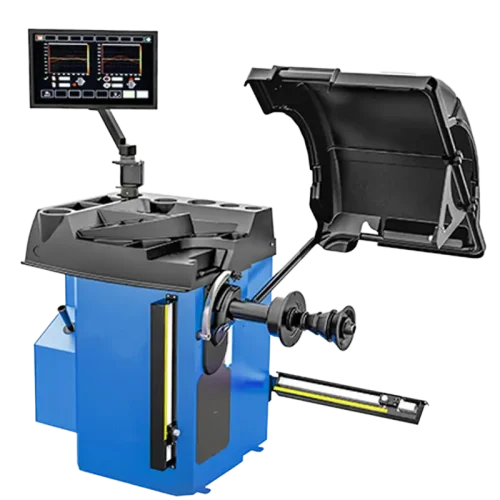
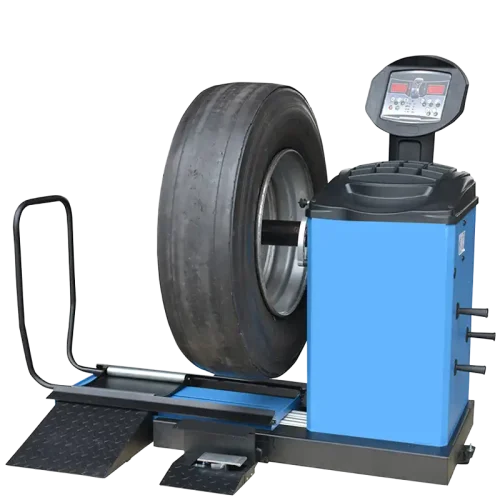
A 30-ton H-frame is usually enough — most work is wheel bearings and rotor hat pressing. If you don’t already have one, pair it with proper tyre changer and wheel balancer equipment to round out the tire-side toolset.
Truck and fleet workshop
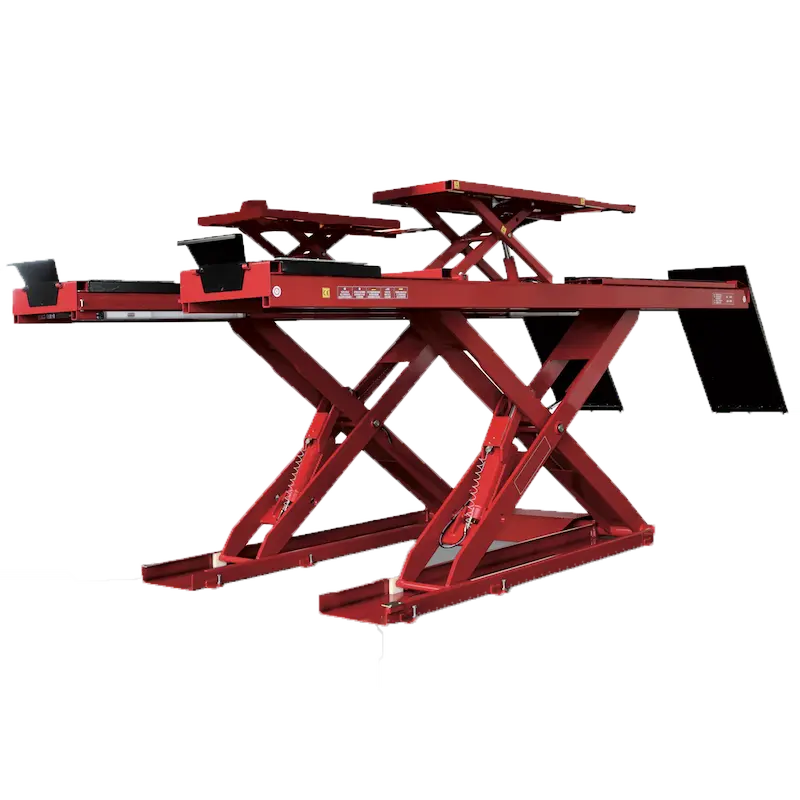
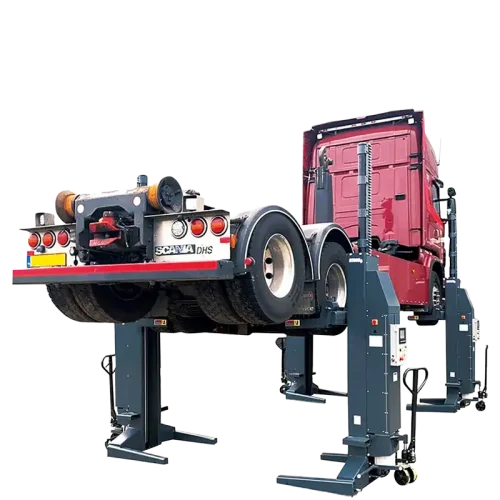
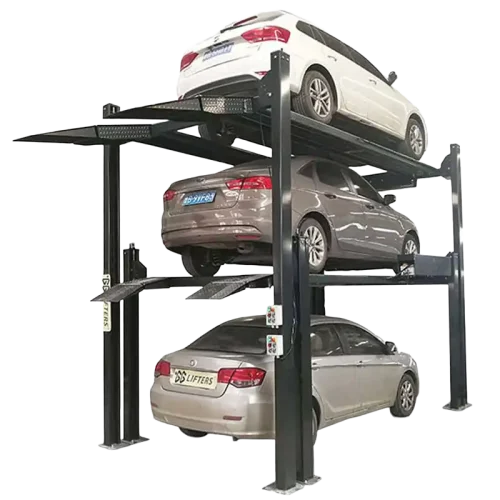
75 or 100 tons, full H-frame, electric or large air/hydraulic pump. Throat width 800mm minimum. This matches the same heavy-duty philosophy behind choosing the right workshop lift for trucks and buses — undersizing kills productivity.
Motorcycle repair shop
A 10–20 ton bench press is plenty. Steering head bearings, swingarm bushings, fork seals — none of it needs 50 tons. Save the floor space.
New workshop setup
If you’re building from scratch, factor the press into your layout planning early. A 50-ton press needs about 1.5m² of clear floor with operator access on both sides. Our guide to setting up a professional automotive workshop covers how to lay this out alongside lifts and benches.
Modern automotive workshop with hydraulic press positioned beside workbenches
Accessories That Actually Get Used
The press itself is only half the purchase. The accessories decide whether jobs go quickly or turn into bodged setups with random scrap blocks.
Press pin set / bearing driver set: Graduated diameter pins to push against specific bearings and bushings. Non-negotiable.
V-blocks (pair): For supporting round shafts. Buy the heaviest set rated to your press capacity.
Arbor plates: Slotted plates with multiple opening sizes. Faster than swapping bed pins.
Bearing separator / splitter: Used with the press to remove bearings that can’t be pulled from the back.
For example, a workshop owner doing mostly suspension work added an arbor plate set to a 30-ton press and cut his average ball joint job from 25 minutes to 12 — the bottleneck was setup, not pressing.
Maintenance and Long-Term Cost of Ownership
A hydraulic shop press should last 15–20 years. The frame won’t fail — what fails is the seals, the hose, and the gauge. Budget accordingly:
Hydraulic oil: Top up annually, full change every 3–5 years. Use ISO 32 or 46 hydraulic oil (check manual).
Seal kit: Replace every 5–8 years or when you notice slow ram creep under load. A $20 seal kit prevents a $300 cylinder rebuild.
High-pressure hose: Inspect every 6 months for cracks or bulges. Replace at any sign of damage — a failed hose at 50 tons is dangerous.
Gauge calibration: Compare against a known reference annually. A stuck gauge reading low encourages over-pressing.
Bolt the press to the floor if it’s over 20 tons. The frame can rock under load otherwise, especially during off-center pressing — a small detail that affects both safety and accuracy.
What to Check Before You Buy
Run through this short list before signing off on any press purchase:
Does the tonnage match your average job × 1.5, not your maximum?
Is the throat width wide enough for your widest realistic part?
Does the bed travel cover both your smallest and largest assemblies?
Is the pump type matched to how often you’ll actually use it?
Does it include a pressure gauge, return springs, and basic V-blocks?
Is the frame fully welded (not bolted) at load-bearing joints?
What’s the spare parts and seal kit availability?
Skipping any of these means you’ll either return the press, work around its limitations, or upgrade within two years. We’ve seen each scenario plenty of times.
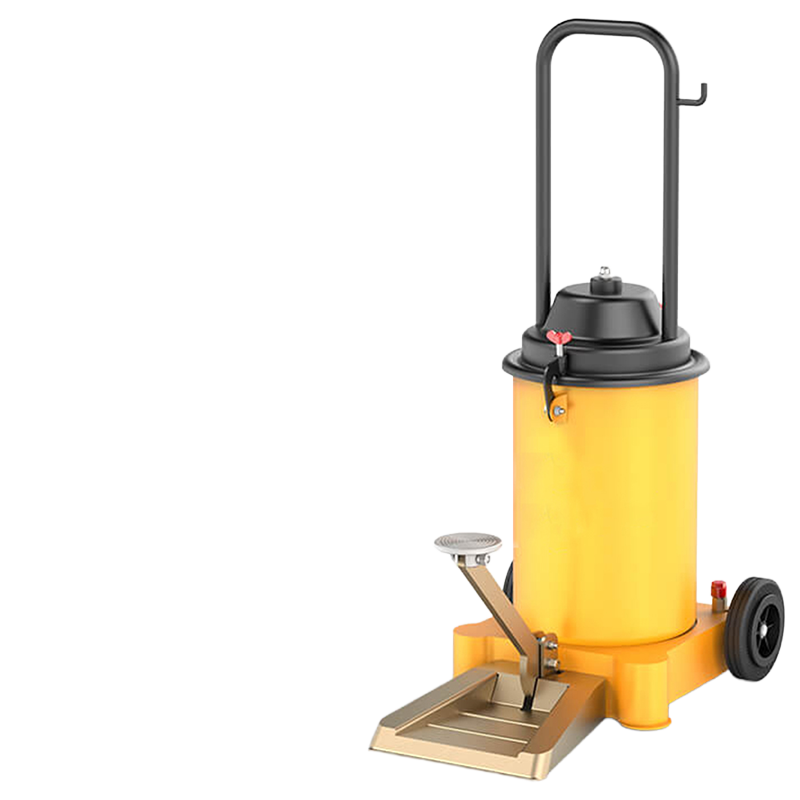
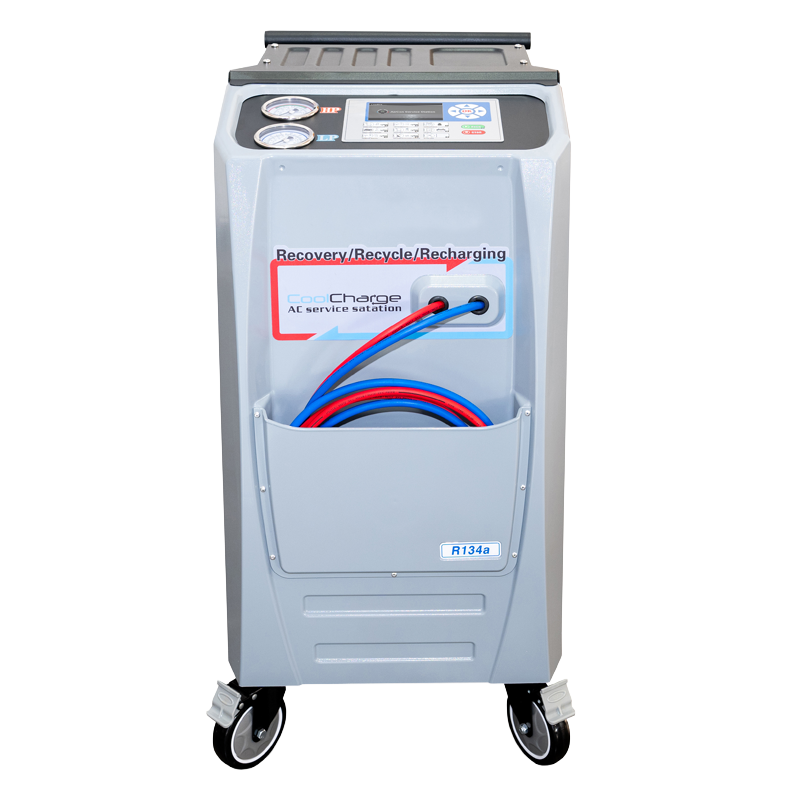
If you’re scoping a full workshop build, the press should be specified alongside lifts, tire equipment, and lubrication tools as one integrated equipment list — not bought piecemeal. Browse the full workshop equipment catalog or contact our team if you want help matching a press to your specific repair mix and floor plan. Getting the tonnage and frame right the first time saves money — and a lot of frustration on the shop floor.
Yes. We provide OEM and ODM services, including logo printing, custom colors, packaging design, and product specification adjustments. Available options depend on the product type and order quantity.
What is your minimum order quantity (MOQ)?
MOQ requirements vary by product. Most standard products are available in flexible quantities, while customized branding, packaging, or product development may require a minimum order. Contact us with the product model and required quantity for confirmation.
Do you offer samples?
Samples or trial orders are available for most product categories. Sample charges and refund terms depend on the selected product and will be confirmed before ordering.
Which ports do you ship from?
We can arrange shipment from major ports in China, including Shanghai, Ningbo, Shenzhen, and Qingdao. The final port will be selected according to the product location and shipping arrangement.
Which trade terms do you support?
We support EXW, FOB, CIF, and other standard international trade terms. The available option will be confirmed in your quotation based on the order and destination.
Can you supply products beyond your catalog?
Yes. If you cannot find the required automotive tool or workshop equipment in our catalog, send us your specifications, target quantity, and application. Our team can help identify and source a suitable solution.