How to Set Up a Professional Automotive Workshop: Layout, Space & Lift Guide
Setting up a professional automotive workshop efficiently comes down to three decisions made in the right order — and choosing the right automotive workshop equipment for each service area. Choose your service scope, plan your bay layout around that scope, then select equipment that fits the space and workload. Get those three steps right and you avoid the costly mistakes — cramped lift bays, undersized equipment, and workflow bottlenecks — that plague workshops retrofitted without a plan. This guide walks you through each step with real numbers and practical lift selection criteria.
Feature
Two-Post Lift
Four-Post Lift
Best Use
Mechanical repairs, brakes & suspension
Alignment, storage, MOT inspection
Floor Space Required
~15–18 ft wide bay
~18–22 ft wide bay
Typical Capacity Range
3–5 tonnes
4–25 tonnes
Drive-On Access
No — vehicle lifted by chassis
Yes — vehicle drives onto runways
Undercarriage Access
Full 360° access
Limited — runways obstruct underside
Installation Complexity
Requires concrete anchoring
Freestanding or anchored options
Ideal Workshop Type
General repair, tyre & brake shops
Fleet maintenance, alignment bays, storage
Define Your Service Scope Before Buying a Single Piece of Equipment
The single biggest planning mistake workshop owners make is purchasing equipment before defining what services they will offer. Your service menu determines every equipment and space decision that follows.
Map Your Core Services First
General mechanical repair: Requires lifts, jacks, fluid service tools, and diagnostics.
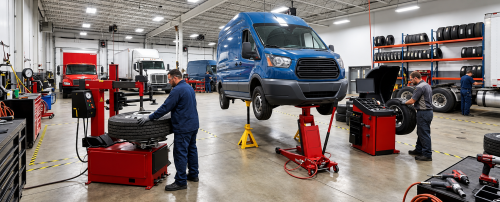
Tyre and wheel service: Needs dedicated floor space for a tyre changer, wheel balancer, and bead breaker — minimum 10 ft × 12 ft per station.
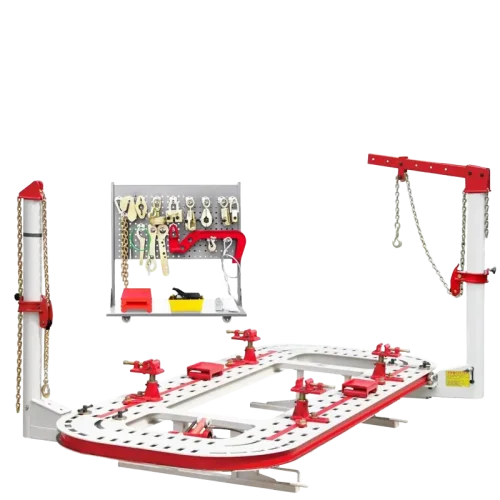
Body and collision repair: Frame machines require large open bays, typically 20 ft × 40 ft minimum.
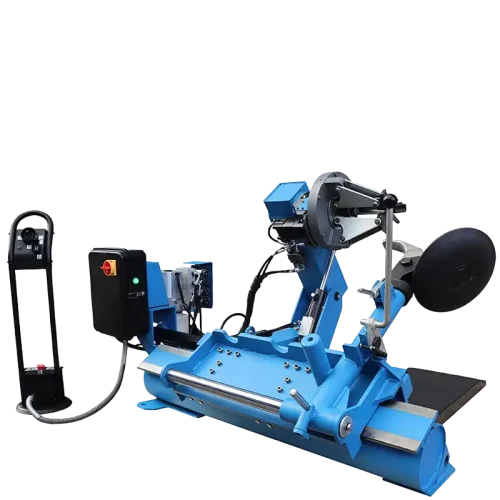
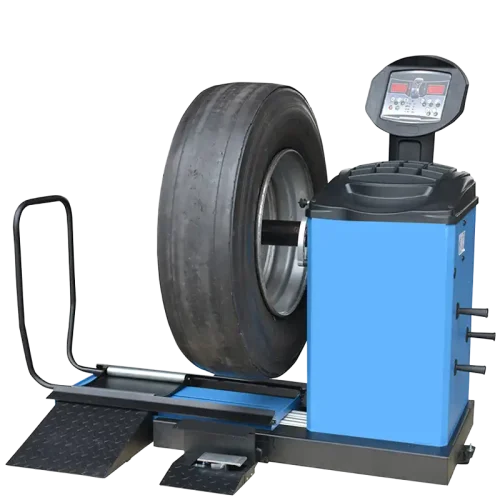
Heavy vehicle servicing: Trucks and buses demand column lifts or heavy-duty four-post systems with 10–25 tonne capacity, as well as heavy duty tyre changer machines for tyre service operations.
For instance, a workshop owner transitioning from passenger car repairs to include light commercial vans discovered mid-build that his planned two-post lifts were undersized. Mapping service scope upfront would have flagged the need for 5-tonne rated lifts from the start, saving a costly equipment swap.
Workshop Space Planning: Bay Dimensions, Clearances, and Traffic Flow
A professional workshop layout is built around the lift bay, because lifts are the largest fixed assets and cannot be easily relocated. Everything else — tool storage, service pits, fluid stations — is planned around them.
Minimum Bay Dimensions by Equipment Type
Two-post lift bay: 12 ft wide × 22 ft long minimum; 14 ft ceiling clearance recommended for full rise.
Four-post lift bay: 14 ft wide × 24 ft long; allows drive-on access and alignment equipment alongside.
Tyre service station: 12 ft × 14 ft per station, with clear aisle access for wheel trolleys.
Frame straightening bay: 20 ft × 40 ft minimum, with anchor point access across the full floor area.
Traffic Flow and Safety Zones
Maintain a minimum 5 ft aisle between any raised vehicle and adjacent workstations. Position fluid service equipment — oil drainers, grease points — at the rear of each bay to keep the vehicle entry path clear. Diagnostic equipment and ADAS calibration systems require unobstructed straight-line space in front of and behind the vehicle; plan at least 15 ft of clear run-out in those bays.
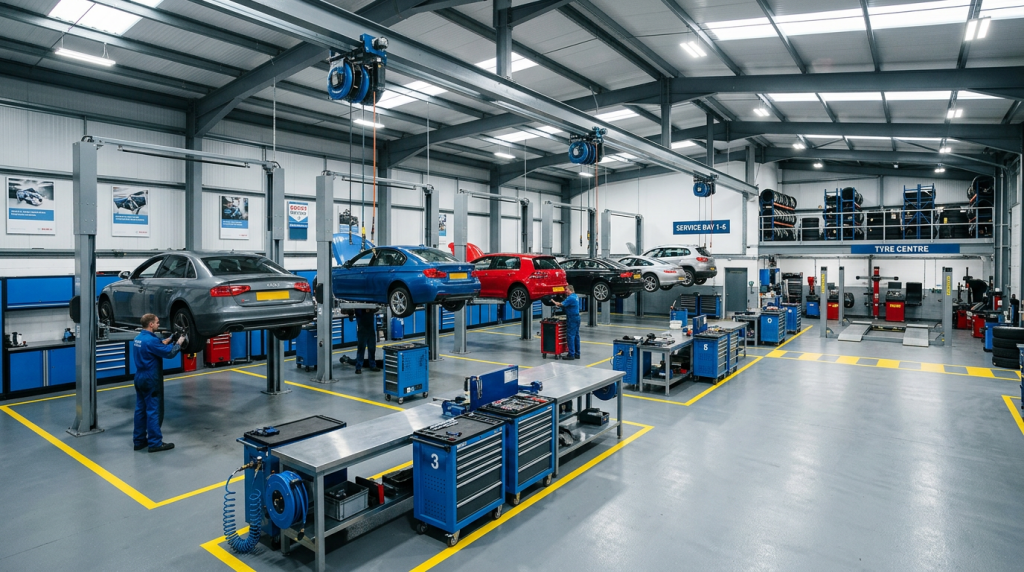
Automotive workshop floor plan showing lift bay dimensions, clearance zones, and traffic flow layout
Lift Selection: Two-Post vs Four-Post and When to Use Each
Choosing the wrong lift type is the most expensive workshop setup error. The comparison table above summarises the key differences — here is how to apply them to your specific situation.
For a more detailed side-by-side evaluation, see our two-post and four-post lift comparison guide, including repair access, workshop footprint, alignment use, installation conditions, and storage suitability.
Two-Post Lifts: The General Repair Workhorse
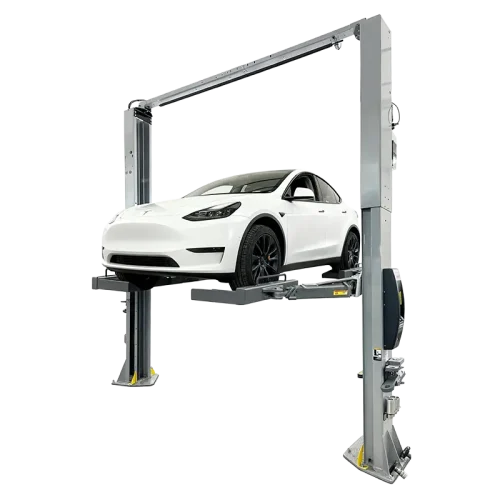
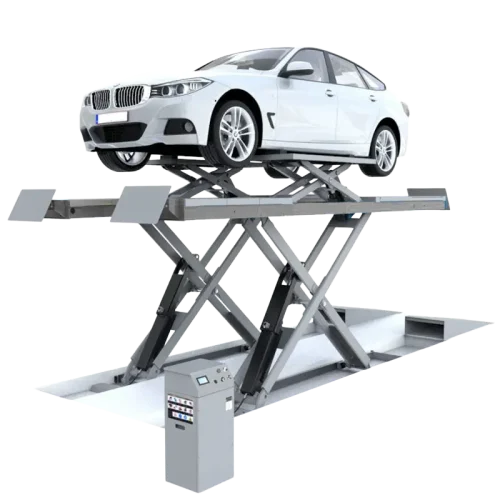
Two-post lifts give technicians unrestricted access to the undercarriage, making them the default choice for brake, suspension, exhaust, and drivetrain work. WINSEN's two-post lift range covers 3–5 tonne capacities in both symmetric and asymmetric configurations. Asymmetric models position the vehicle slightly rearward of centre, making door access easier — important in tighter bays.
Four-Post Lifts: Alignment, Storage, and Heavy Loads
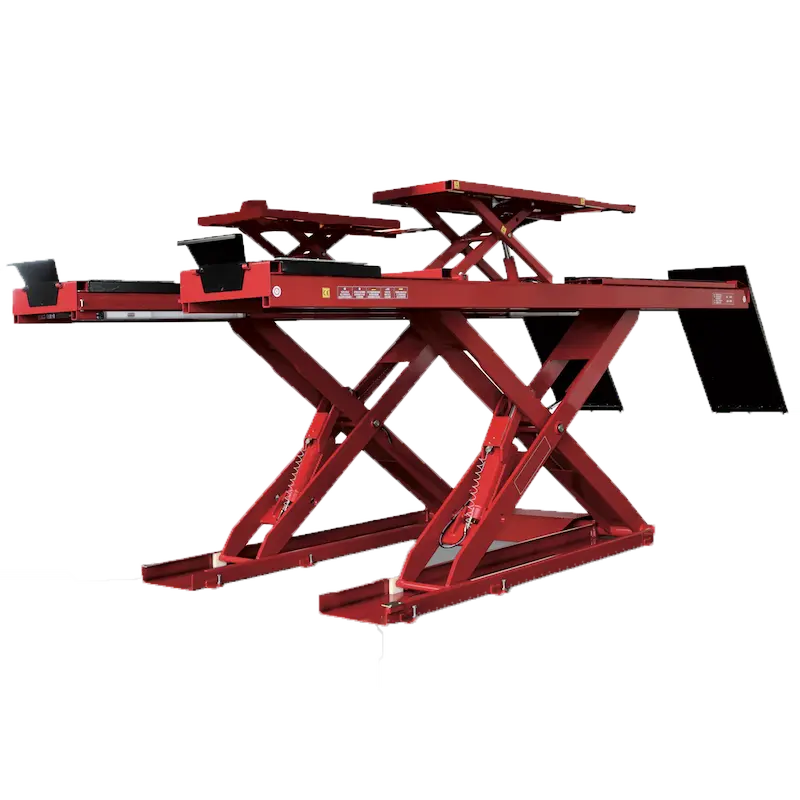
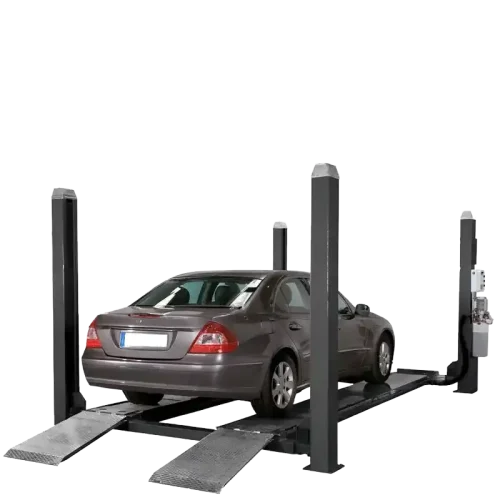
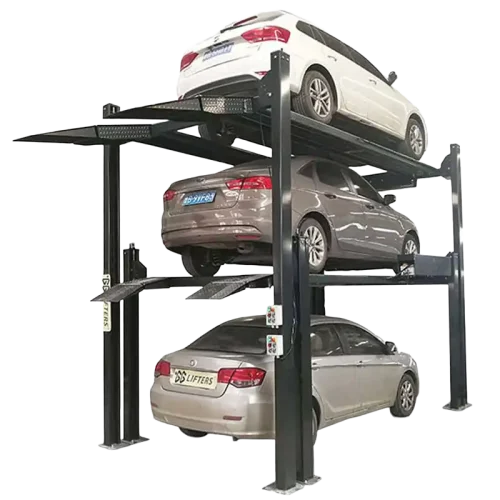
Four-post lifts shine in alignment bays and fleet storage facilities. Their drive-on design accommodates vehicles with low ground clearance without the risk of chassis pad misplacement. WINSEN's four-post lift range scales from 4 tonnes for passenger cars up to 25 tonnes for light trucks and buses, with optional alignment slip plates and rolling jacks.
Heavy Vehicle Operations
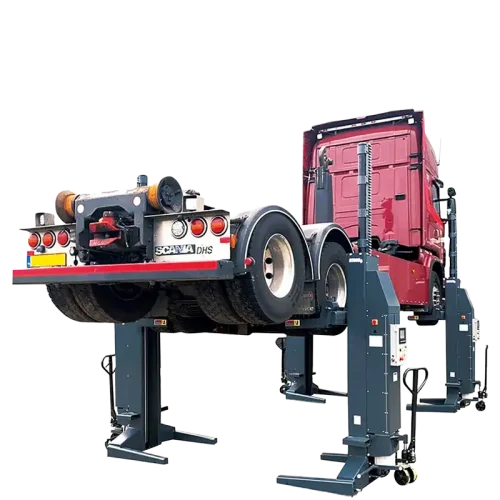
For trucks, buses, and heavy fleet maintenance, mobile column lifts are the most flexible solution — they can be repositioned between bays and scaled by adding columns. See WINSEN's heavy duty truck lifts for modular systems rated up to 72 tonnes combined capacity.
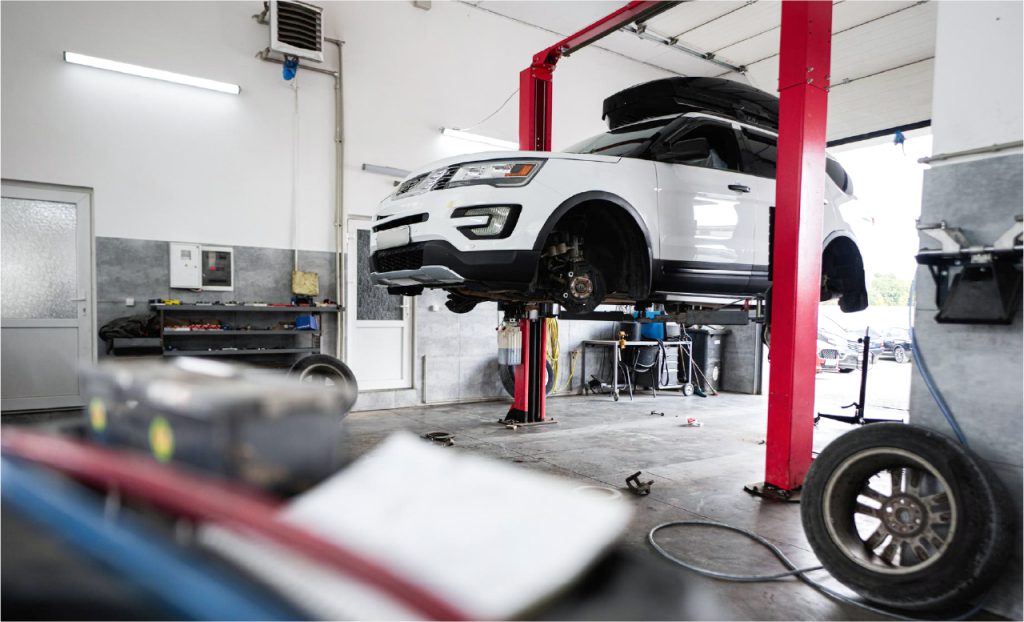
Two-post car lift with vehicle raised in professional automotive workshop bay
Essential Supporting Equipment: What to Budget Beyond the Lifts
Lifts account for roughly 30–40% of a workshop's capital equipment budget. The remaining spend covers the tools that make each service bay productive from day one.
Tyre and Wheel Service Station
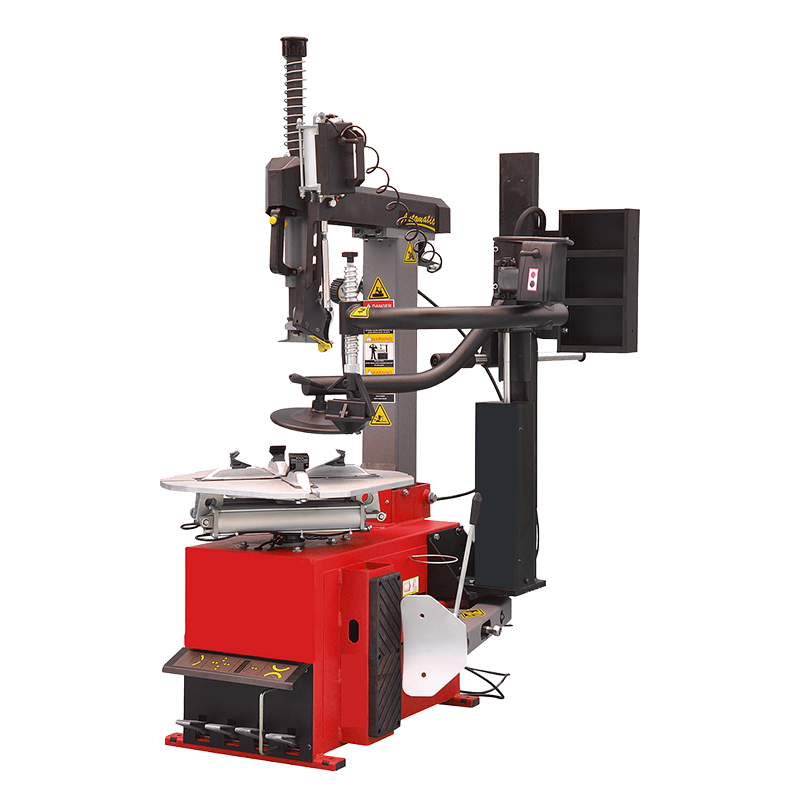
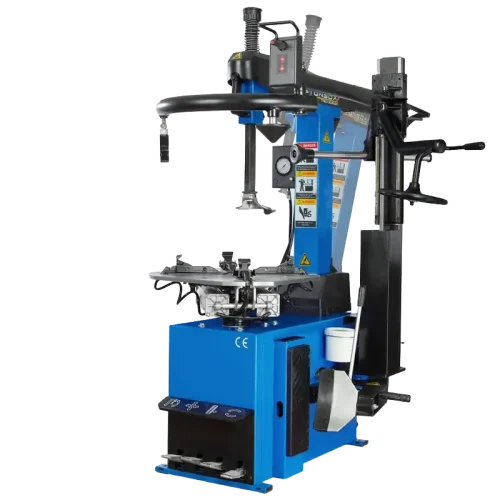
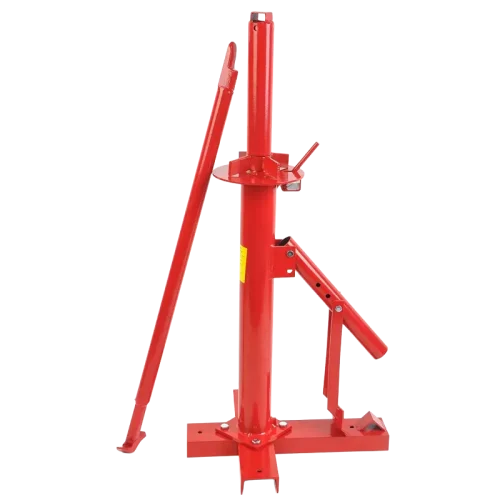
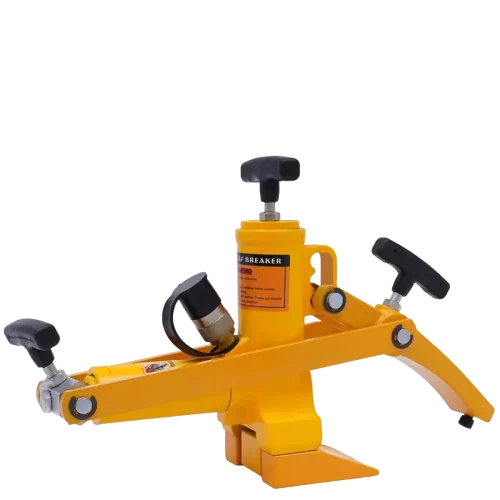
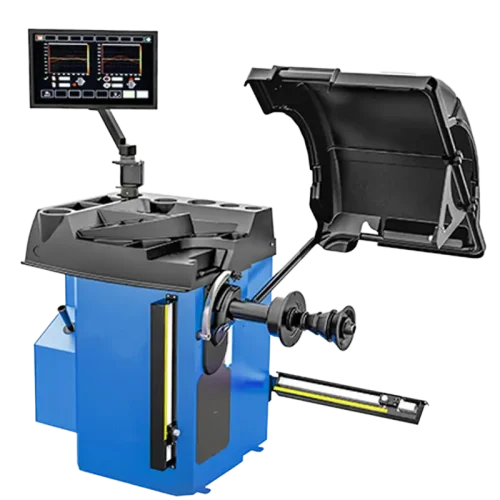
A tyre service bay needs at minimum: a tyre changer, a wheel balancer, and a bead breaker. WINSEN's tyre service equipment range covers passenger car, SUV, and truck applications. Budget approximately $3,000–$6,000 USD for a complete passenger car tyre station at professional grade.
Fluid Management and Lubrication
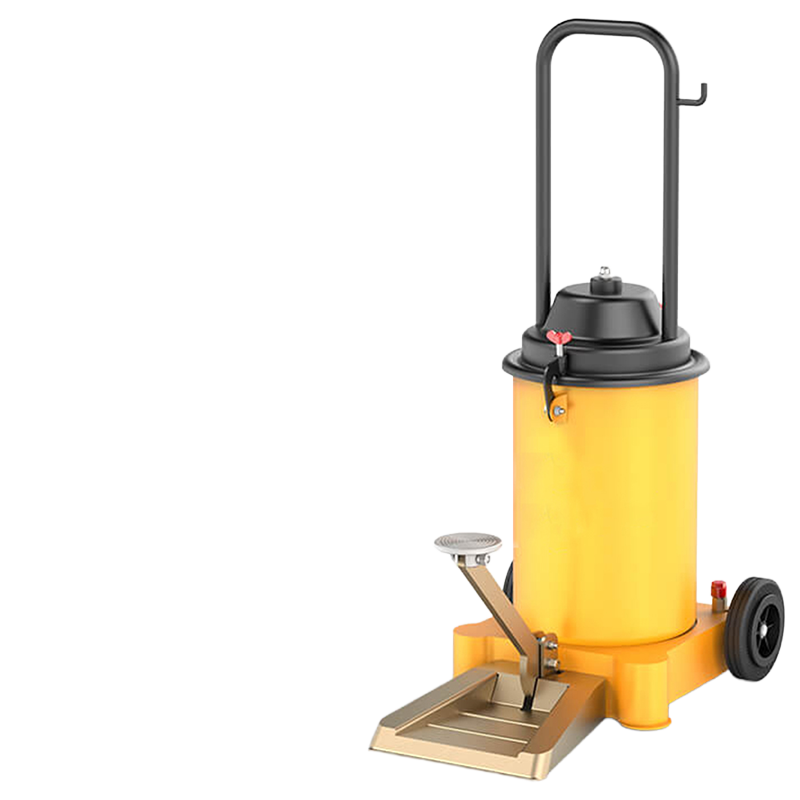
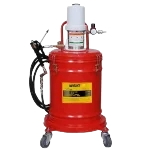
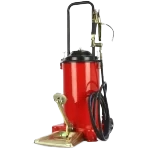
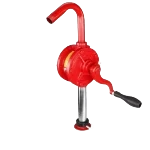
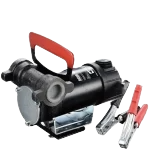
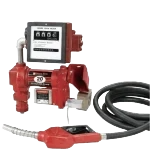
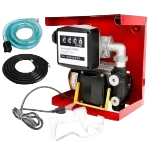
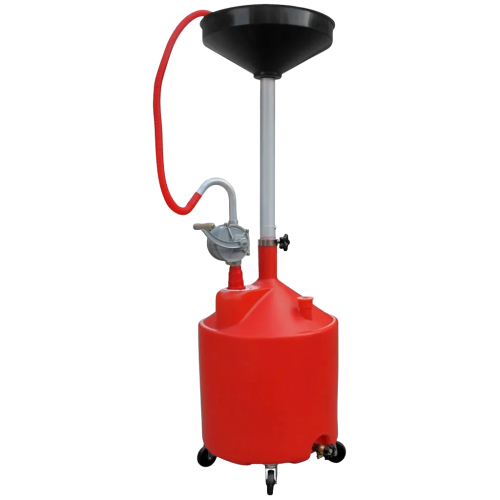
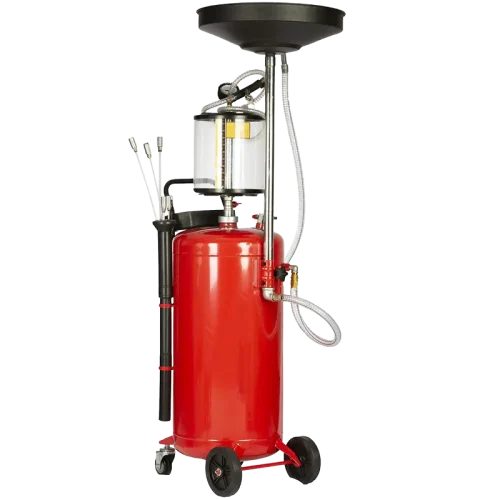
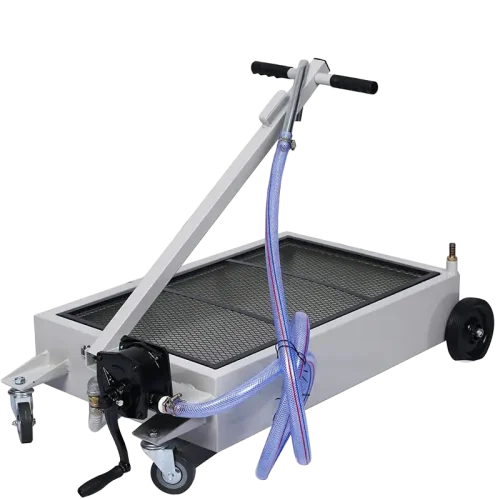
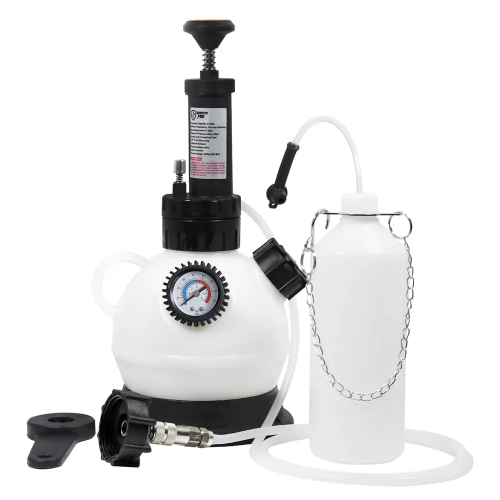
Every service bay should have an oil drainer positioned at the rear and a grease point accessible from the lift. Centralised fluid transfer systems reduce spill risk and save technician time. Explore WINSEN's fluid transfer and lubrication equipment for drum pumps, oil drainers, and grease systems suited to both small workshops and high-volume facilities.
Diagnostics and ADAS
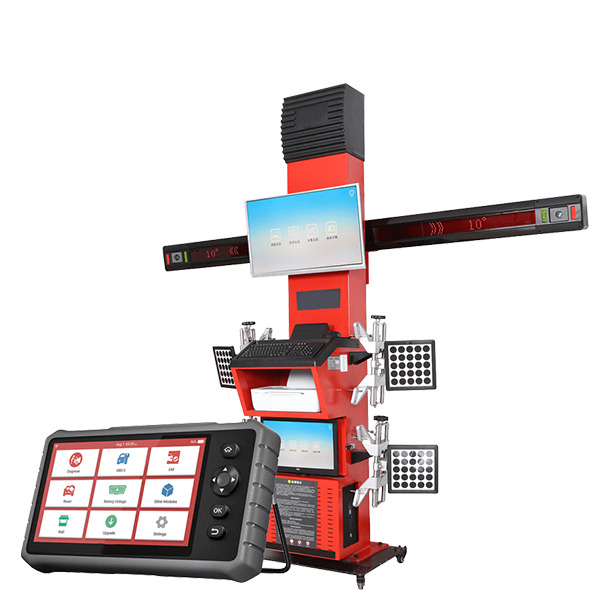
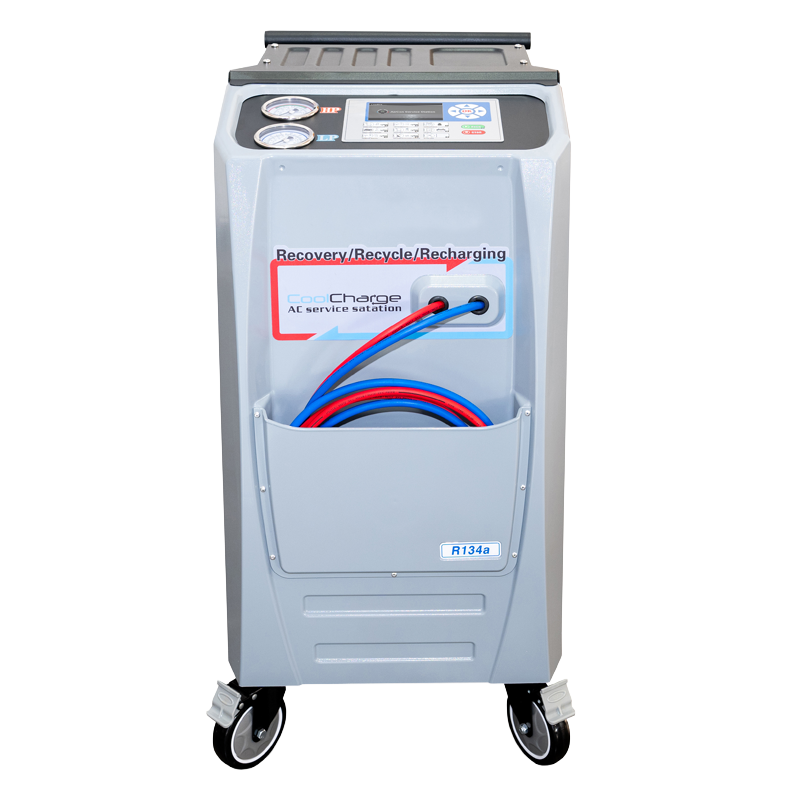
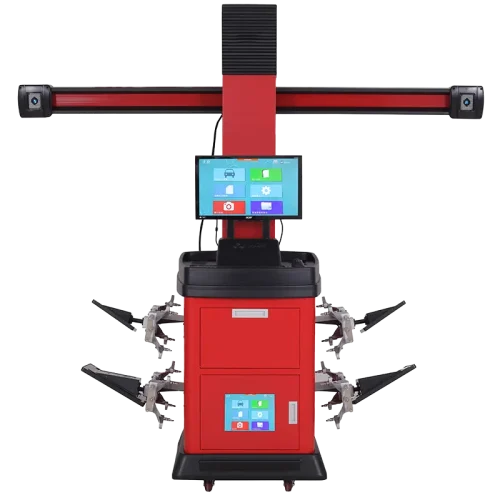
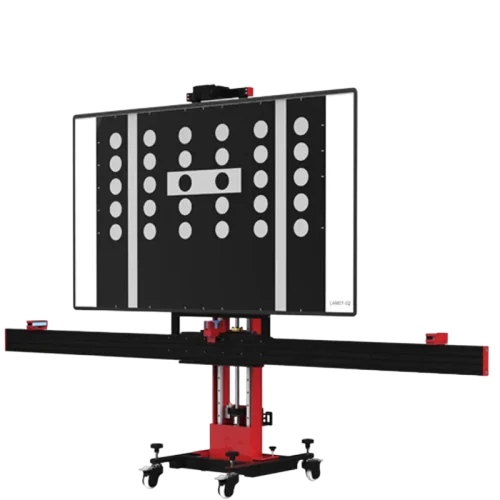
Modern workshops increasingly need ADAS calibration capability — particularly as ADAS-equipped vehicles now represent the majority of new car sales in most markets. A dedicated calibration bay with fixed targets requires a minimum 20 ft clear space. WINSEN's ADAS calibration equipment includes both mobile and fixed systems to suit different workshop footprints.
Body Shop Additions
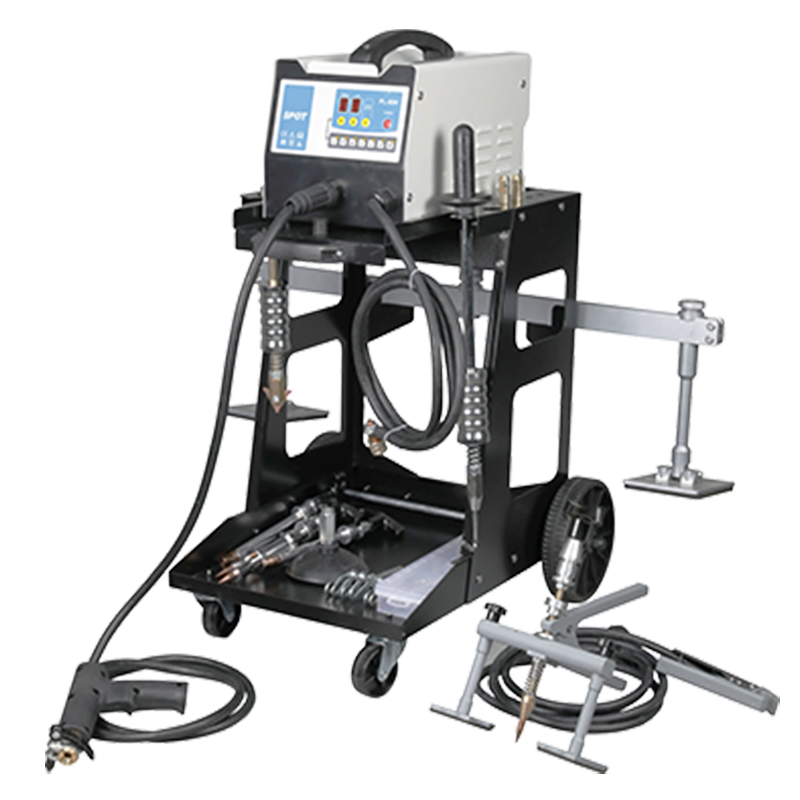
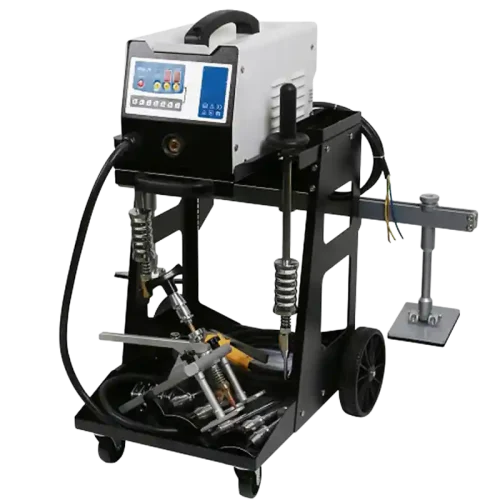
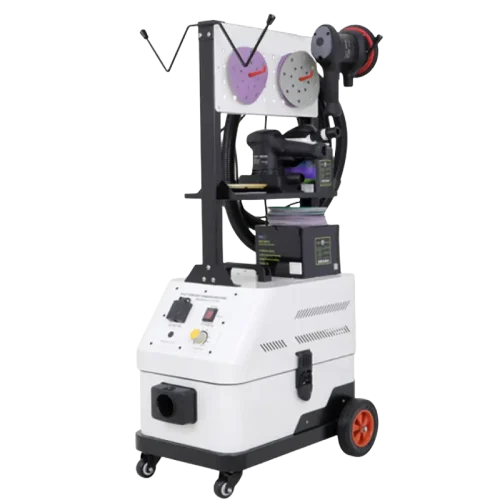
If collision repair is on your service menu, a frame straightening machine is the centrepiece investment. Pair it with a spot welder, dent puller, and dust-free sanding system for a complete body repair workflow.
Putting It All Together: A Practical Setup Sequence
Follow this sequence to avoid costly rework and ensure every equipment purchase is justified by your layout before you commit budget.
Define services and vehicle types — passenger cars only, mixed fleet, heavy vehicles, or body repair.
Measure your building — ceiling height, column positions, floor slab thickness (minimum 150 mm for lift anchoring), and door widths.
Allocate bays on paper first — assign one lift or major piece of equipment per bay, mark clearance zones, and confirm traffic flow.
Select lifts based on capacity and bay fit — use the two-post vs four-post comparison above as your starting framework.
Layer in supporting equipment — tyre stations, fluid management, diagnostics, and body repair tools after lifts are confirmed.
Plan electrical and compressed air runs — most workshop equipment requires 3-phase power and a minimum 10-bar compressed air supply at the point of use.
For a deeper dive into the lift selection decision specifically, our post comparing two-post lifts vs four-post lifts covers real-world trade-offs in detail.
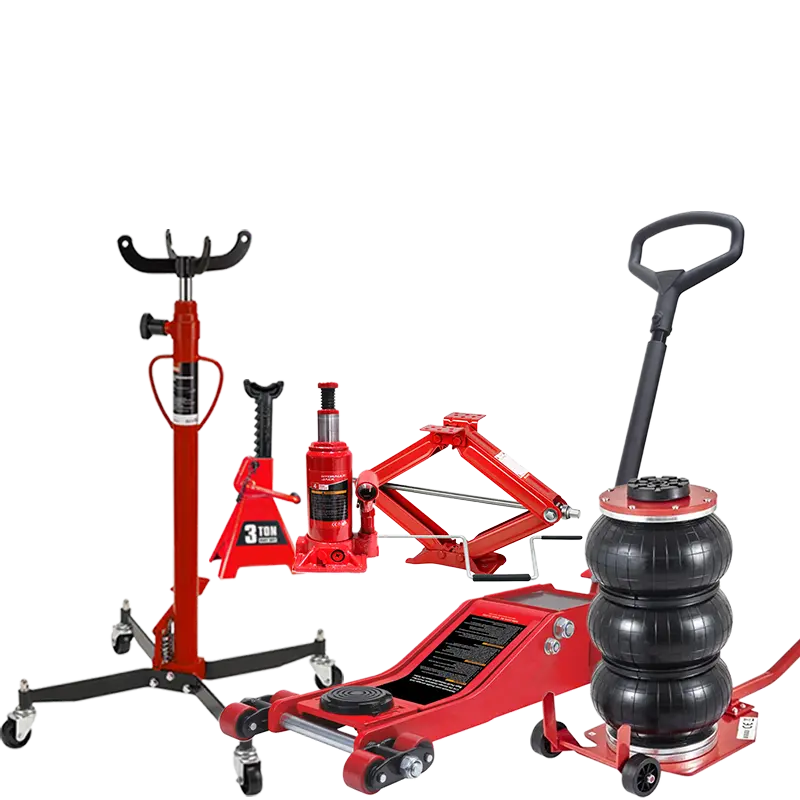
WINSEN supplies the full range of equipment covered in this guide — from lifts and jacks to tyre service, diagnostics, and body repair tools — with OEM support and global shipping. Contact the WINSEN team to discuss your workshop layout and get equipment recommendations matched to your specific bay dimensions and service scope.
Yes. We provide OEM and ODM services, including logo printing, custom colors, packaging design, and product specification adjustments. Available options depend on the product type and order quantity.
What is your minimum order quantity (MOQ)?
MOQ requirements vary by product. Most standard products are available in flexible quantities, while customized branding, packaging, or product development may require a minimum order. Contact us with the product model and required quantity for confirmation.
Do you offer samples?
Samples or trial orders are available for most product categories. Sample charges and refund terms depend on the selected product and will be confirmed before ordering.
Which ports do you ship from?
We can arrange shipment from major ports in China, including Shanghai, Ningbo, Shenzhen, and Qingdao. The final port will be selected according to the product location and shipping arrangement.
Which trade terms do you support?
We support EXW, FOB, CIF, and other standard international trade terms. The available option will be confirmed in your quotation based on the order and destination.
Can you supply products beyond your catalog?
Yes. If you cannot find the required automotive tool or workshop equipment in our catalog, send us your specifications, target quantity, and application. Our team can help identify and source a suitable solution.