Tire Service Equipment for Fleet Maintenance Garages: What Changes at Volume
Fleet tire service equipment needs to be sized for vehicle mix and duty cycle, not just tire diameter. The real changes at volume are higher-tonnage jacks and bead breakers to cover medium and heavy trucks, inflation and balancing gear rated for continuous daily use, and a bay layout that keeps vehicles moving instead of waiting on a single changer. Miss any one of these and the bottleneck shows up fast, usually on the busiest day of the week.
Key takeaways
Fleet bays need a wider equipment capacity range than single-bay shops because vehicle mix spans light-duty vans through medium and heavy trucks.
Duty cycle, not just tonnage, determines fleet equipment selection since continuous daily use wears seals, cables, and bearings faster than intermittent shop use.
Undersized bead breakers and standard car wheel balancers slow down heavy truck jobs and shorten equipment life when run outside their intended class.
Air hydraulic jacks and heavy-duty jack stands rated above the jack's own capacity are standard requirements for fleet bays, not upgrades.
Cables with more than 6 broken wires per lay length should be replaced per ANSI standards, and this threshold is reached sooner under fleet-level daily cycling.
What Actually Changes When You Go From Shop Volume to Fleet Volume
A single-bay repair shop puts a tire changer and a jack through a handful of cycles a day. A fleet bay runs the exact same category of machine through dozens of cycles, often on the same few vehicle classes, day after day. That difference isn't cosmetic. It's the entire reason fleet equipment selection deserves its own logic instead of just scaling up a shop's parts list.
Fleet vehicle mix usually spans light-duty vans and pickups through medium and heavy trucks, and sometimes trailers. A passenger-car shop can get away with a narrow capacity range because every vehicle on the lift is roughly the same weight class. A fleet bay can't. One tool needs to handle a delivery van in the morning and a box truck axle in the afternoon.
What really separates fleet equipment from shop equipment is duty cycle, not tonnage alone. Seals, cables, and bearings wear differently under continuous daily load than under intermittent single-shop use. Every lift cycle flexes a seal and loads a bearing, and the rate at which those components fatigue tracks how often they're used, not just how close they get to rated capacity. A jack can stay well under its ceiling every single time and still wear out faster simply because it's cycling far more often than it was designed around. That's the factor that determines whether your equipment survives its first year of fleet work, and it's easy to miss if you're only comparing tonnage ratings on a spec sheet.
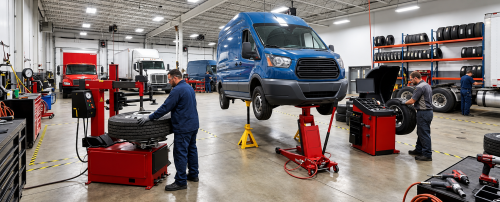
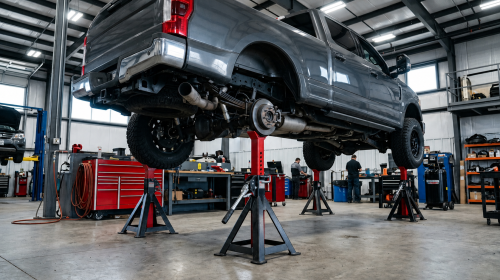
Fleet garage bay with vans and medium trucks queued for tire service
Matching Bead Breaker Force to Your Fleet's Vehicle Classes
Undersized bead breakers are the single most common reason a fleet tire bay slows down. Light-duty van and pickup tires separate fine with standard bead breaker force. Medium and heavy truck tires have stiffer sidewalls and larger bead seats, and they simply don't yield to the same force that pops a van tire loose.
If your fleet mix spans both ends, you've got two realistic options: run two bead breaker setups sized for each class, or invest in an adjustable, higher-force unit that handles the full range without straining. Trying to force a light-duty bead breaker through heavy truck tires all day doesn't just slow the job down, it increases operator strain and shortens the tool's working life.
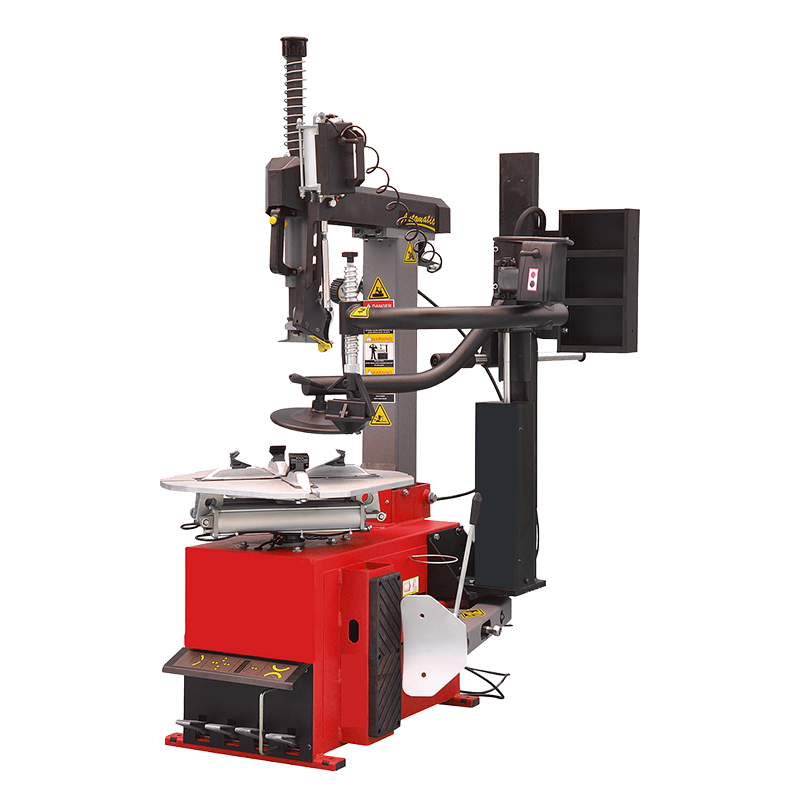
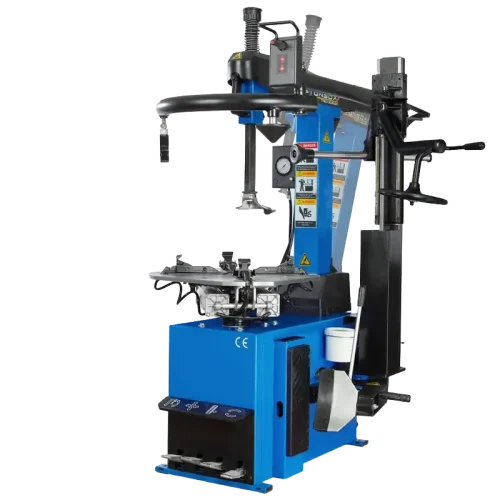
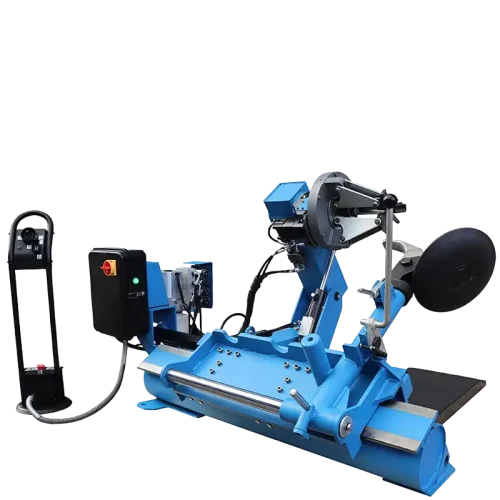
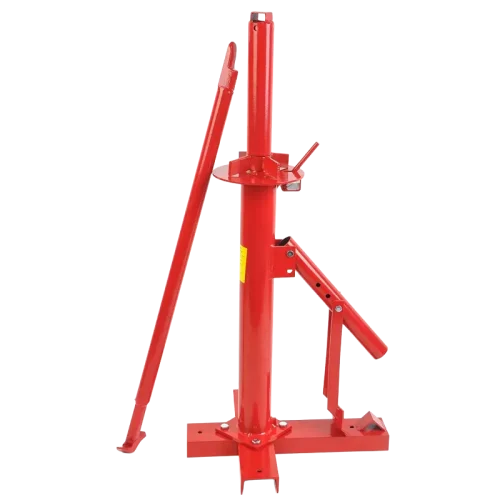
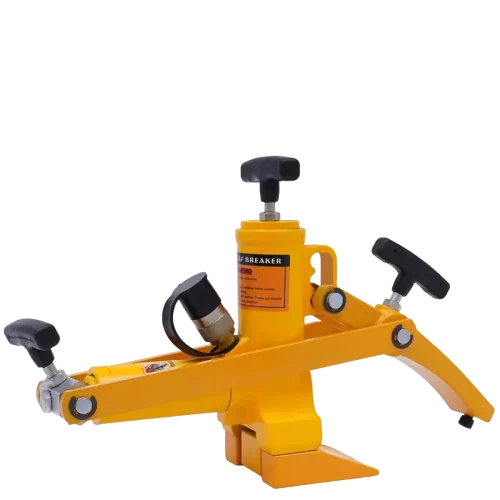
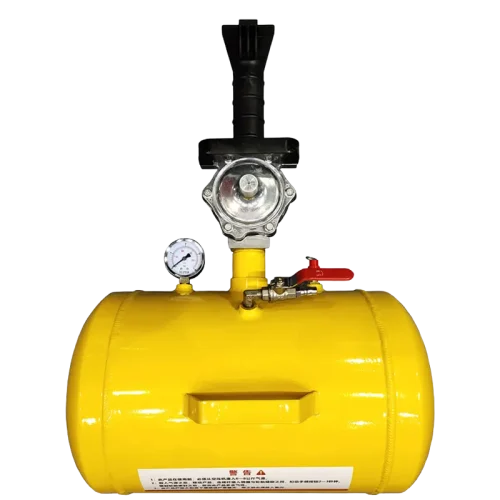
WSAT's tyre service lineup includes dedicated Tyre Bead Breaker, Tyre Spreader, and Tyre Bead Seater units alongside a Heavy Duty Tyre Changer built for the sidewall stiffness that comes with medium and heavy truck tires. For a mixed fleet, pairing a standard changer with a heavy-duty unit usually beats trying to make one machine do both jobs.
If you're still working out changer specs for your specific vehicle range, the tyre changer and wheel balancer package guide walks through matching equipment to daily volume in more detail.
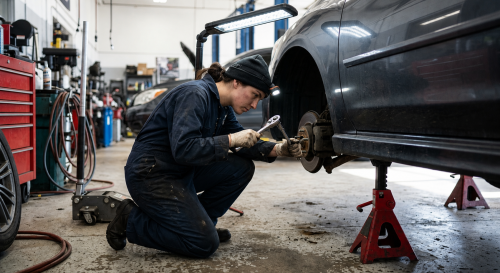
Heavy duty hydraulic tyre changer breaking the bead on a truck tire
Jack and Lift Capacity: Why 2-Ton Floor Jacks Don't Survive Fleet Work
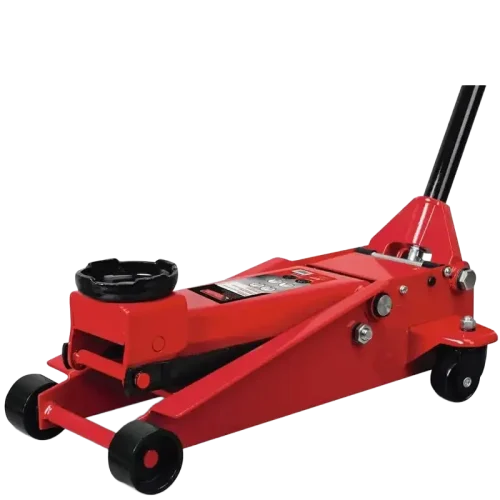
A floor jack sized for passenger cars gets overloaded fast the moment a fleet bay also handles box trucks or service vans with higher axle weight. The real risk isn't a jack that fails outright. It's a jack that's technically rated for the job but runs constantly near its ceiling, which puts continuous stress on seals and internal components and shortens its useful service life well before it shows any obvious sign of failure.
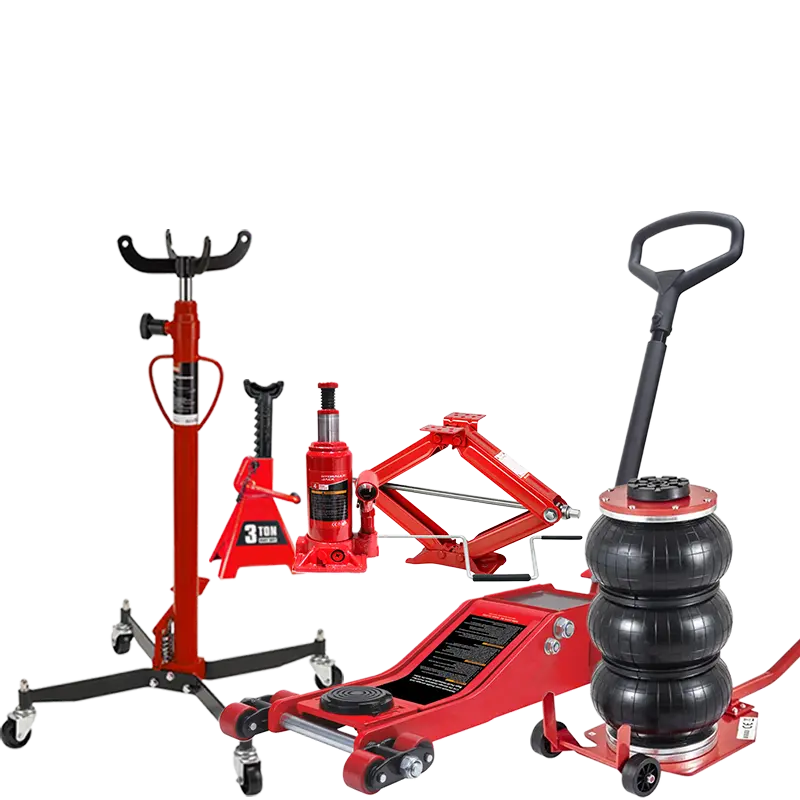
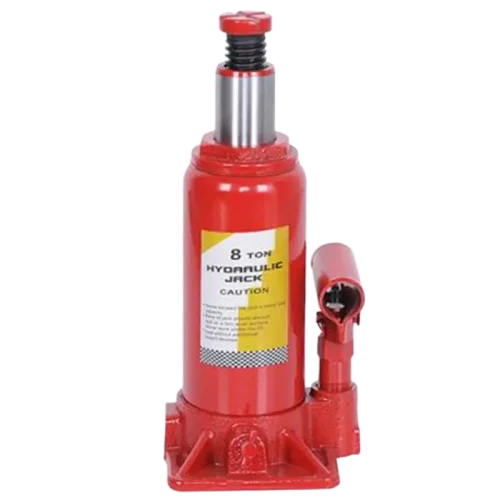
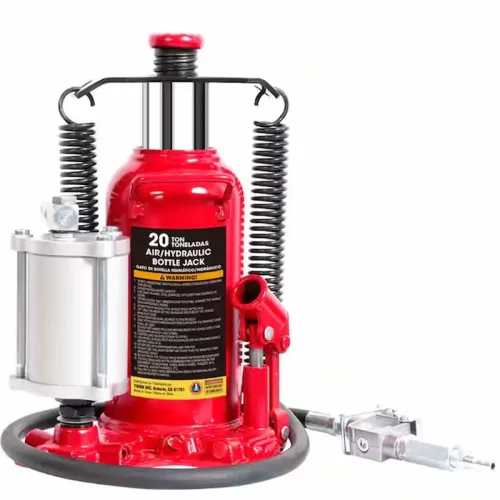
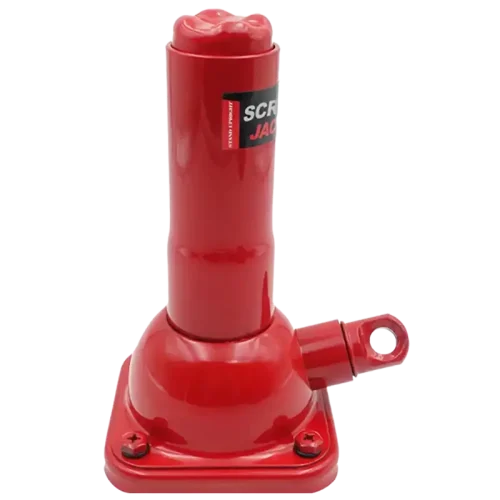
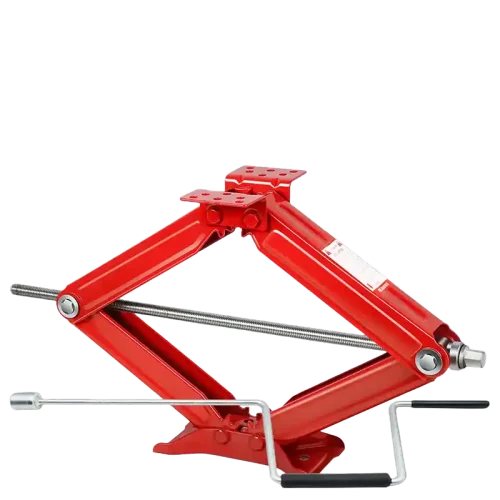
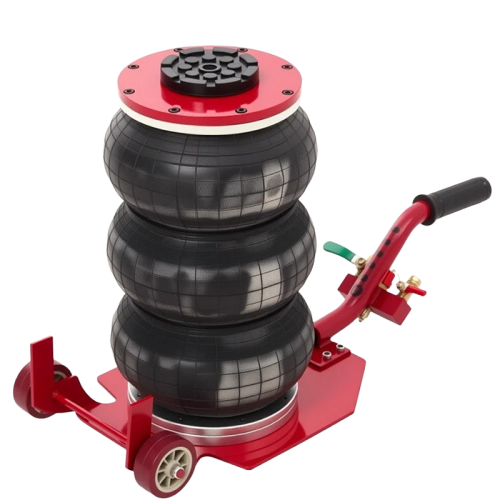
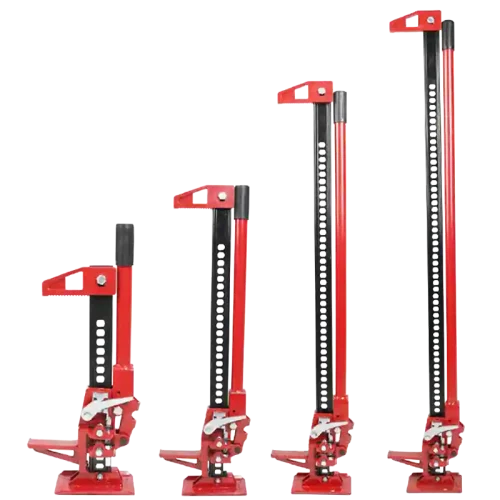
Air hydraulic jacks make more sense for high-repeat fleet use. The pneumatic assist cuts the number of pumping cycles needed per vehicle, which adds up fast when you're lifting dozens of vehicles a shift. WSAT's range covers this gap directly, from Hydraulic Bottle Jacks and Air Hydraulic Bottle Jacks through Floor Jacks, Mechanical Jacks, Automotive Scissor Jacks, Air Jacks, and Farm Jacks, with floor jacks available in 2T–5T capacity in low-profile and long-reach configurations.
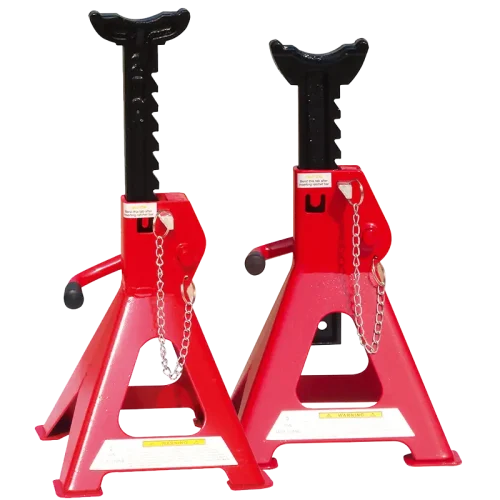
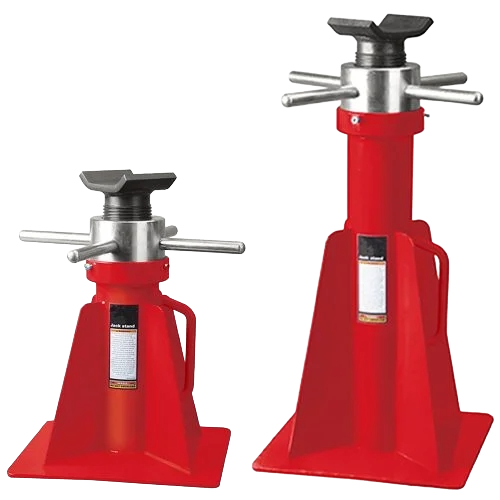
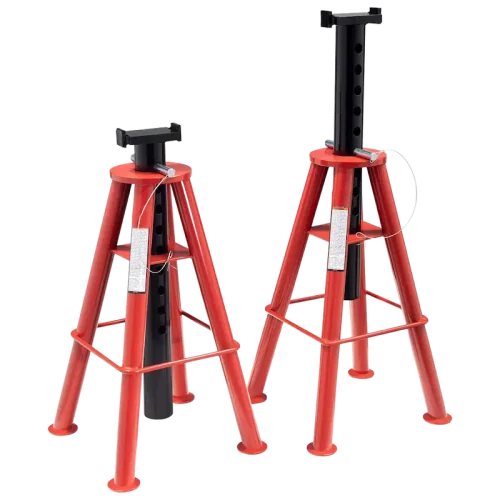
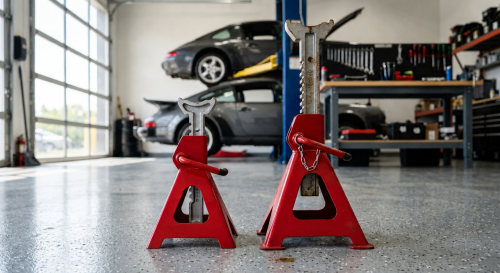
Heavy-duty jack stands rated above the jack's own capacity aren't optional in a fleet bay. Vehicles sit mid-service longer here than in a single-job shop, and a stand that's barely adequate isn't a stand you want under a loaded axle for an extended period. WSAT's lineup includes Jack Stands, Heavy-duty Jack Stands, and Heavy-Duty Support Stands sized for exactly this.
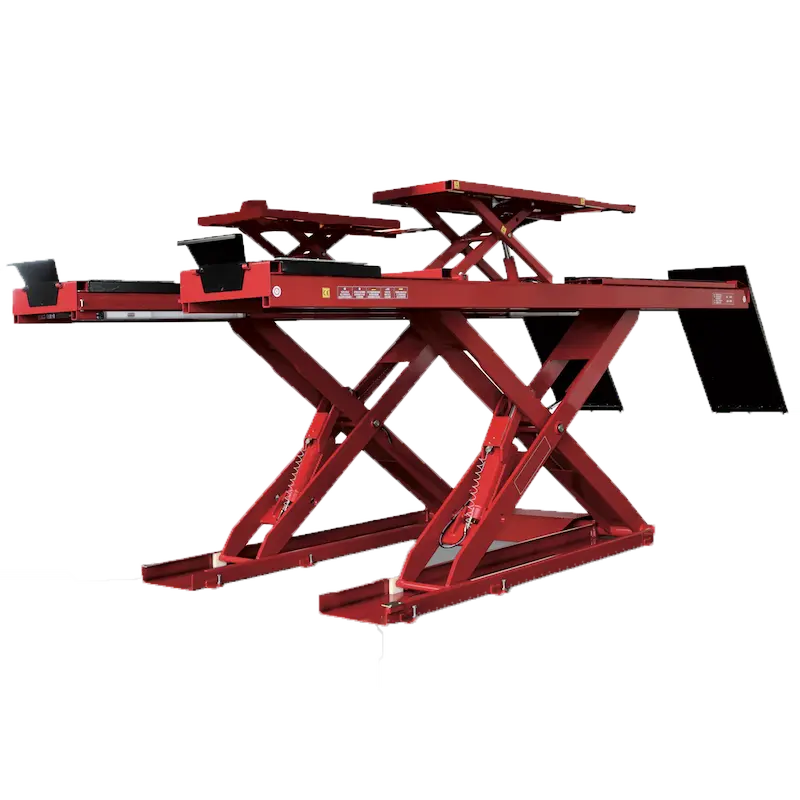
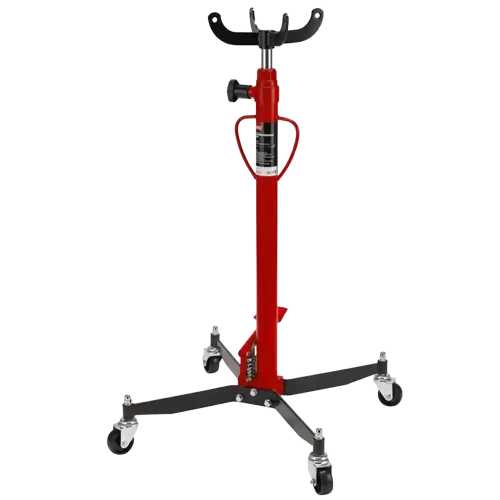
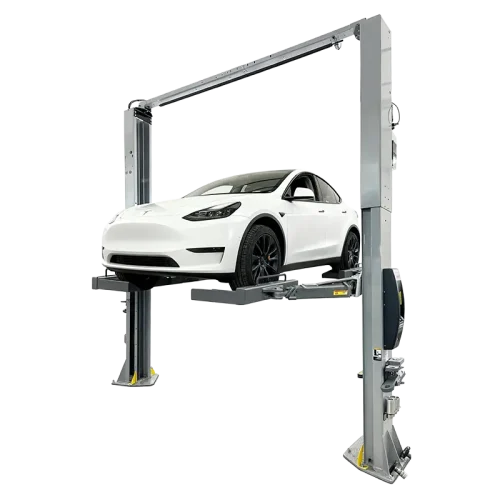
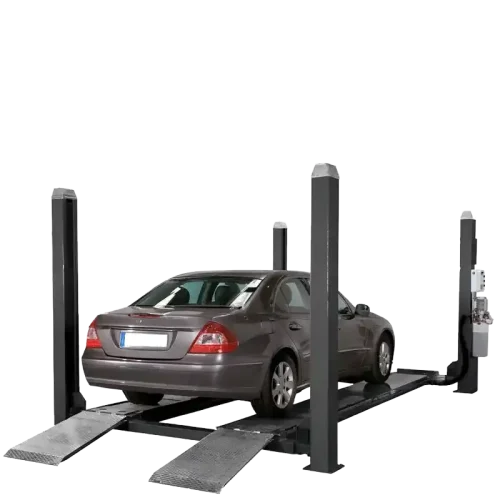
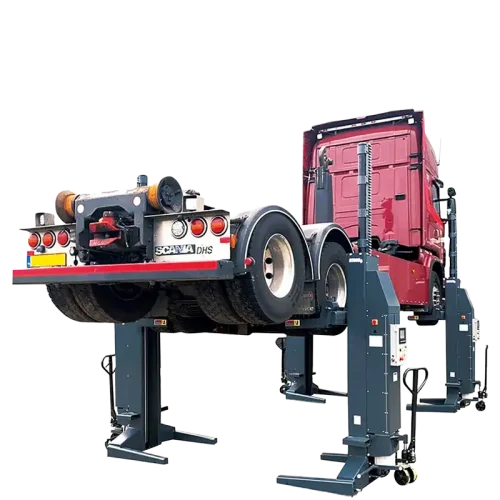
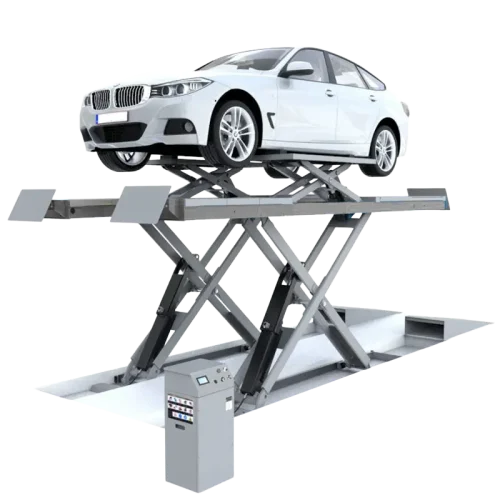
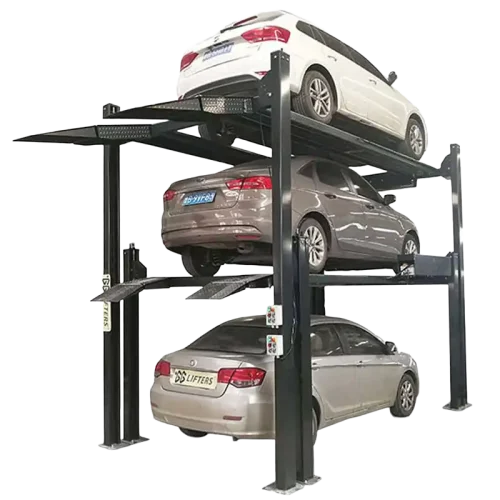
Once medium or heavy trucks are a regular part of the mix rather than an occasional job, a Heavy Duty Truck Lift stops being a luxury and becomes the equipment that keeps the bay moving. For a deeper comparison of column lifts, four-post lifts, and heavy-duty jacks for truck and bus work, see the truck and bus workshop lift guide.
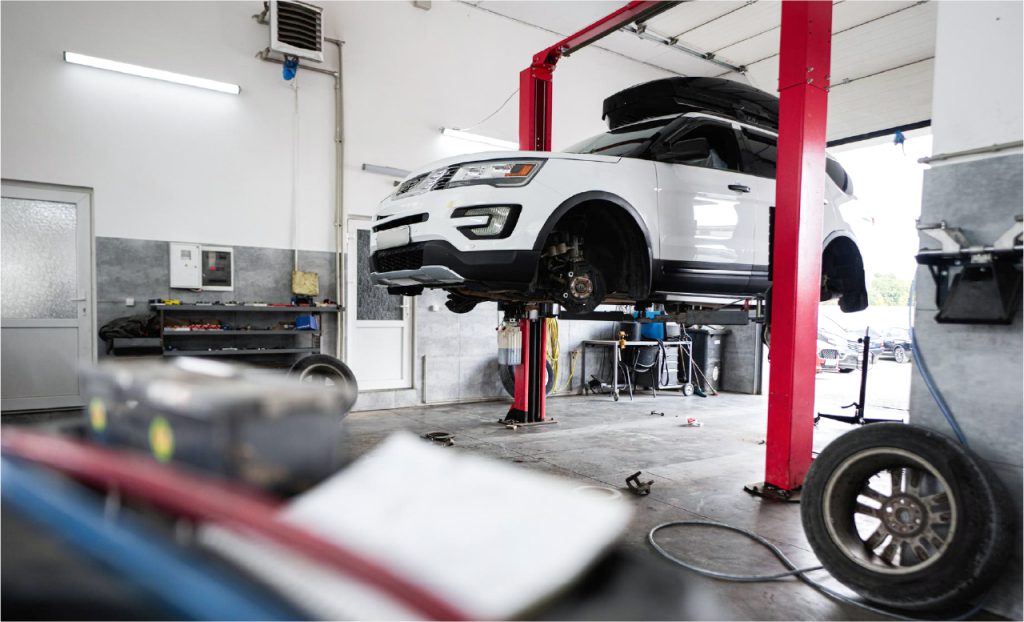
Heavy duty truck lift raising a medium delivery truck in a fleet garage
Inflation and Balancing Equipment Built for Continuous Daily Use
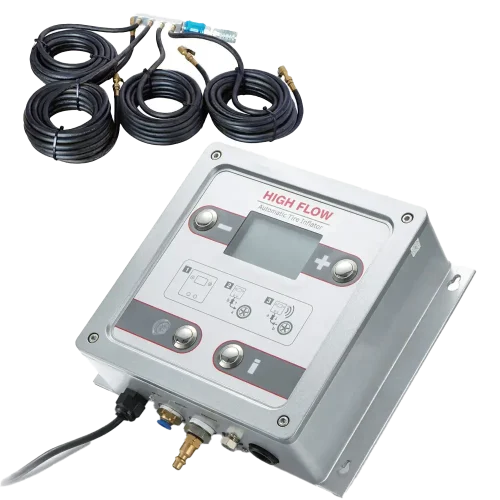
A digital tire inflator used dozens of times a day isn't being judged on bench accuracy anymore, it's being judged on whether it still holds calibration after the hundredth cycle of the week. That's a different performance requirement than what a single-bay shop needs from the same category of tool.
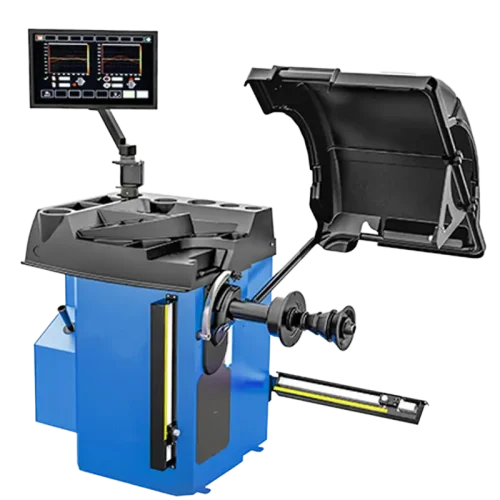
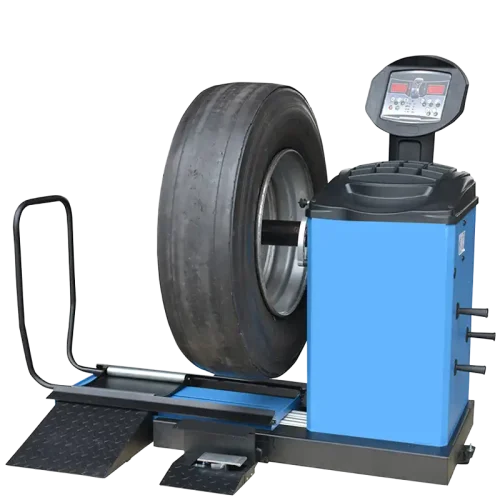
A heavy duty wheel balancer earns its place the moment truck and trailer wheels become part of daily volume. Standard car balancers aren't built for that rim diameter or wheel weight, and forcing them to handle it doesn't just produce shakier balance readings, it shortens the machine's working life through strain it was never designed to absorb.
WSAT's tyre service equipment range covers both ends with a Car Wheel Balancer for passenger-class work and a Heavy Duty Wheel Balancer for truck and trailer wheels, plus Tyre Inflators rated for repeat daily cycling. If vibration complaints keep showing up after balancing despite the right machine, the issue is often in setup rather than the equipment itself, as covered in Wheel Balancer Accuracy: Why Your Tires Still Vibrate After Balancing.
Wheel Weight Storage, Adapters, and Specialty Fittings for Mixed Fleets
A mixed fleet means a wider range of stud patterns and hub configurations than a single-make shop ever deals with. The parts themselves aren't the hard part. Keeping them organized so technicians aren't hunting mid-job is what actually determines whether that variety slows the bay down.
Wheel weight and dolly storage isn't about tidiness. It's throughput. In a bay running back-to-back jobs, every minute a technician spends searching for the right weight or adapter is a minute the next vehicle sits waiting. That cost compounds across a full day in a way it never does in a shop doing a handful of jobs.
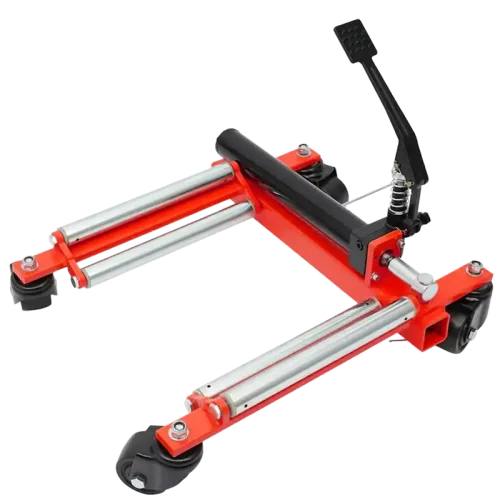
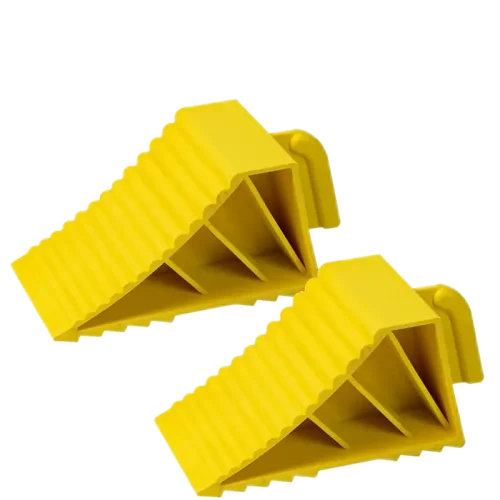
Vehicle dollies and wheel chocks also matter more here than in a single-job shop, simply because fleet vehicles sit and wait between service stages more often. A van waiting on a balance slot while the changer handles a truck tire needs to be chocked and stable, not held by guesswork. WSAT's shop equipment line includes Vehicle Dollies and Wheel Chocks sized for exactly this kind of staging.
Laying Out a Dedicated Fleet Tire Bay for Throughput, Not Just Footprint
Minimize the distance between lift, changer, balancer, and inflation station. Every extra step a technician walks adds up fast across dozens of vehicles a day, in a way it never does across a handful.
Build a separate staging space for vehicles waiting on service. One slow job shouldn't be able to block the entire bay just because there's nowhere for the next vehicle to wait.
Size the bay for the largest vehicle class in your regular mix, not the average one. A bay that fits vans comfortably but squeezes trucks will bottleneck on exactly the vehicles that take longest to service.
Plan door clearance and ceiling height around the heaviest and tallest unit you service regularly, since retrofitting clearance later is far more disruptive than designing for it up front.
For broader layout principles beyond the tire bay itself, the professional workshop setup guide covers equipment placement and space planning in more depth.
Infographic layout diagram of a fleet tire bay workflow
Maintenance Schedules Change When Equipment Runs All Day, Every Day
Equipment accumulating cycles faster needs inspection schedules that reflect that, not a maintenance calendar copied from a single-bay shop. Seals, cables, and safety locks on fleet-duty lifts simply reach wear thresholds sooner because they're doing more work in the same calendar month.
The Automotive Lift Institute traces most lift incidents back to three root causes: improper loading, neglected maintenance, and worn safety locks. All three show up sooner under fleet-level daily use than under occasional single-shop use, which means the inspection interval that's fine for a passenger-car shop may not be fine for a fleet bay running the same lift model harder.
One concrete checkpoint worth building into a fleet maintenance schedule: per ANSI standards, cables showing more than 6 broken wires per lay length should be replaced. That threshold matters more on equipment cycling daily than on equipment that sees occasional use, since the wear accumulates on a compressed timeline. For a full inspection routine, see Hydraulic Lift Safety: Inspection Routines That Prevent Workshop Accidents.
Building Your Fleet Tire Bay Equipment List
Build in staging space and organized adapter/weight storage from day one. Retrofitting workflow fixes after a bay is already running costs more than planning for them up front.
Set an inspection schedule based on actual usage cycles, not a generic calendar interval meant for single-shop equipment.
WSAT operates as a one-stop auto repair equipment supplier covering lifts, jacks, tyre service machines, diagnostic, fluid-handling and body-shop tools for workshops, dealerships and equipment distributors worldwide. The company primarily supplies automotive equipment distributors, importers, repair workshops, dealerships, fleet maintenance facilities, and workshop development projects, and offers private-label services including branding, packaging customization, color matching, and tailored product development for operations scaling up their tire service capacity. Browse the full product catalog or get in touch to spec out a fleet bay setup.
Frequently asked questions
Do I need a separate heavy duty tyre changer for trucks if I already have a standard one?
If heavy trucks are a regular part of your fleet mix rather than an occasional job, yes. Standard changers and bead breakers struggle with stiffer heavy-truck sidewalls, slowing every job and increasing wear. A dedicated heavy-duty unit alongside your standard changer keeps throughput steady across the full vehicle range.
How often should fleet tire bay equipment be inspected compared to a standard repair shop?
More often, since fleet equipment accumulates cycles faster. Base the inspection interval on actual usage volume rather than a generic calendar schedule, and check safety locks, seals, and cables more frequently, since improper loading, neglected maintenance, and worn safety locks are the leading causes of lift incidents.
Yes. We provide OEM and ODM services, including logo printing, custom colors, packaging design, and product specification adjustments. Available options depend on the product type and order quantity.
What is your minimum order quantity (MOQ)?
MOQ requirements vary by product. Most standard products are available in flexible quantities, while customized branding, packaging, or product development may require a minimum order. Contact us with the product model and required quantity for confirmation.
Do you offer samples?
Samples or trial orders are available for most product categories. Sample charges and refund terms depend on the selected product and will be confirmed before ordering.
Which ports do you ship from?
We can arrange shipment from major ports in China, including Shanghai, Ningbo, Shenzhen, and Qingdao. The final port will be selected according to the product location and shipping arrangement.
Which trade terms do you support?
We support EXW, FOB, CIF, and other standard international trade terms. The available option will be confirmed in your quotation based on the order and destination.
Can you supply products beyond your catalog?
Yes. If you cannot find the required automotive tool or workshop equipment in our catalog, send us your specifications, target quantity, and application. Our team can help identify and source a suitable solution.