Car AC Machines Compared: Recovery, Recharge, and Recycle Explained for Workshop Buyers
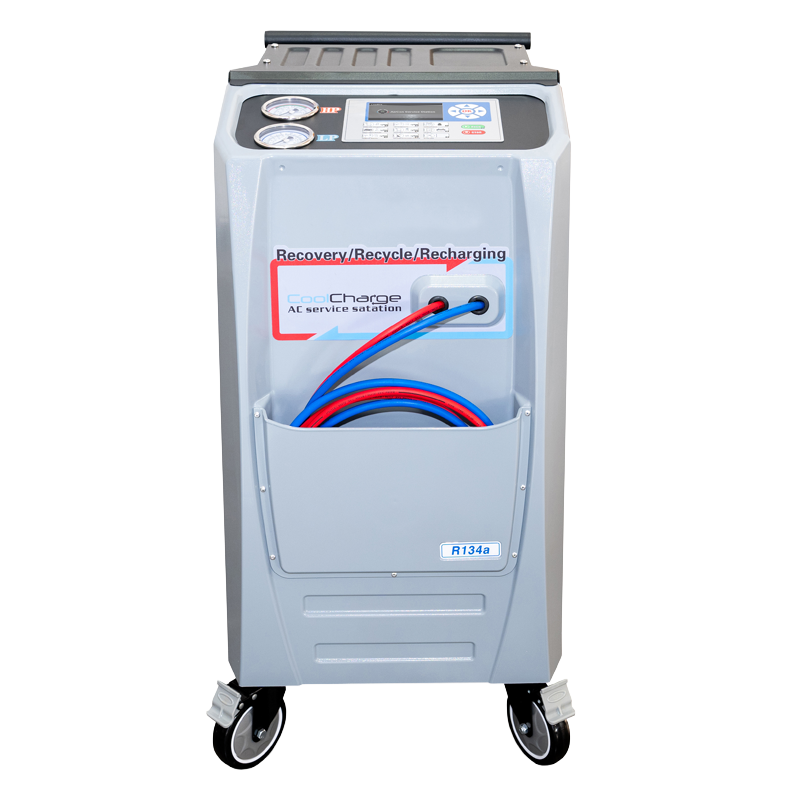
Recovery, recharge, and recycle aren’t three machines — they’re the three core functions of modern car AC machines, and this guide explains how each one works. A recovery-only unit pulls refrigerant out of a system for disposal or storage; a recycle stage filters out oil and moisture so the refrigerant can be reused safely; recharge puts a measured, accurate refrigerant charge back into the system. Buy a machine that skips the recycle step and you're either throwing away refrigerant you paid for, or risking contamination that can damage a customer's compressor.
What Recovery, Recycle, and Recharge Actually Mean
Most techs use these three words interchangeably. That's a mistake, and it's the reason so many shops end up with the wrong machine.
Recovery is simply removing refrigerant from a vehicle's AC system and storing it in a tank — nothing else happens to it. Recycling is the filtration step: the machine passes the recovered refrigerant through oil separators and moisture filters so it's clean enough to reuse in another vehicle. Recharge is putting a precise amount of refrigerant back into the system, usually measured by weight on an internal scale.
Here's the part that trips people up: a machine can recover refrigerant without recycling it. If your machine only does recovery and recharge, you're either sending refrigerant out for offsite recycling (extra cost, extra downtime) or reusing dirty refrigerant — which SAE J2788 standards specifically warn against for R134a and R1234yf systems.
Digital gauges on a car AC recovery machine showing refrigerant pressure readings
Recovery-Only Units: When They Actually Make Sense
A recovery-only unit is the cheapest entry point, but it’s not automatically the wrong choice — it depends on your job mix and the rest of your auto repair shop equipment.
If your shop does AC diagnostics and compressor replacements but sends most full-service recharges to a dedicated AC specialist down the road, a standalone recovery unit paired with a separate charging station can work. It's also common in body shops that need to evacuate a system before a repair but don't do routine AC maintenance as a core service line.
Where it falls short
The problem shows up the moment your AC volume grows. Running two separate machines for recovery and recharge doubles your setup time per vehicle and doubles the equipment you need to maintain. For a shop doing more than five or six AC jobs a week, a combo unit almost always pays for itself faster in labor time saved.
Recovery/Recharge Combo Machines: The Middle Ground
Combo machines are the most common purchase for general repair shops, and for good reason — they cover the two functions techs use every day at a price point that doesn't require a dedicated AC bay to justify.
These units typically include a digital refrigerant scale accurate to about ±0.5 ounce, a built-in vacuum pump for system evacuation, and basic filtration. What they usually lack is a full recycling circuit with dedicated oil drain and moisture indicator systems — meaning some models only offer partial filtration, not true SAE J2099 recycling compliance.
Real-world example: A mid-sized independent shop running 10 AC jobs a week upgraded from a recovery-only unit to a combo machine and cut average AC service time from 45 minutes to under 25 minutes per vehicle, mostly by eliminating the manual transfer between separate recovery and charging equipment.
AC service machine connected to a sedan engine bay with yellow and red service hoses
Full R/R/R Machines: Built for Volume and Compliance
A full recovery-recycle-recharge machine is the only option that fully closes the loop — it recovers, filters through both an oil separator and a desiccant/moisture filter, then recharges with an automated, weight-verified fill. If you're running a dedicated AC service bay or a fleet maintenance operation, this is the category to shop in.
The added cost buys you two things: cleaner refrigerant that can be reused across multiple vehicles without cross-contamination risk, and automated charge logic that reduces the chance of overcharging — a common cause of AC comebacks and compressor noise complaints.
Compare the tiers side by side
Feature
Recovery-Only
Combo Unit
Full R/R/R
Core function
Recovers only
Recovers and recharges
Recovers, cleans, recharges
Price range
$800 - $1,800
$2,000 - $4,500
$3,500 - $9,000+
Best for
Low-volume, mixed use
5-15 jobs/week shops
Dedicated AC bays, fleets
Contamination risk
High
Moderate
Low
R134a vs R1234yf: Why the Refrigerant Type Decides the Machine
Here's the mistake that costs shops the most money: buying a machine for the wrong refrigerant, or one that can't handle both.
R134a and R1234yf cannot be run through the same recovery circuit — not even briefly. Cross-contamination between the two refrigerants can render an entire tank unusable and, in some cases, damage the vehicle's AC system on recharge. Most vehicles built after 2017 use R1234yf, but plenty of older fleet vehicles and imports still run on R134a, so a shop servicing a mixed fleet needs either two fully separate machines or a certified dual-refrigerant unit with isolated internal paths.
Check the machine's SAE certification label before buying — J2843 for R1234yf recovery/recycle/recharge equipment, J2788 for R134a. A machine without the correct certification isn't legal to use on that refrigerant type in most jurisdictions.
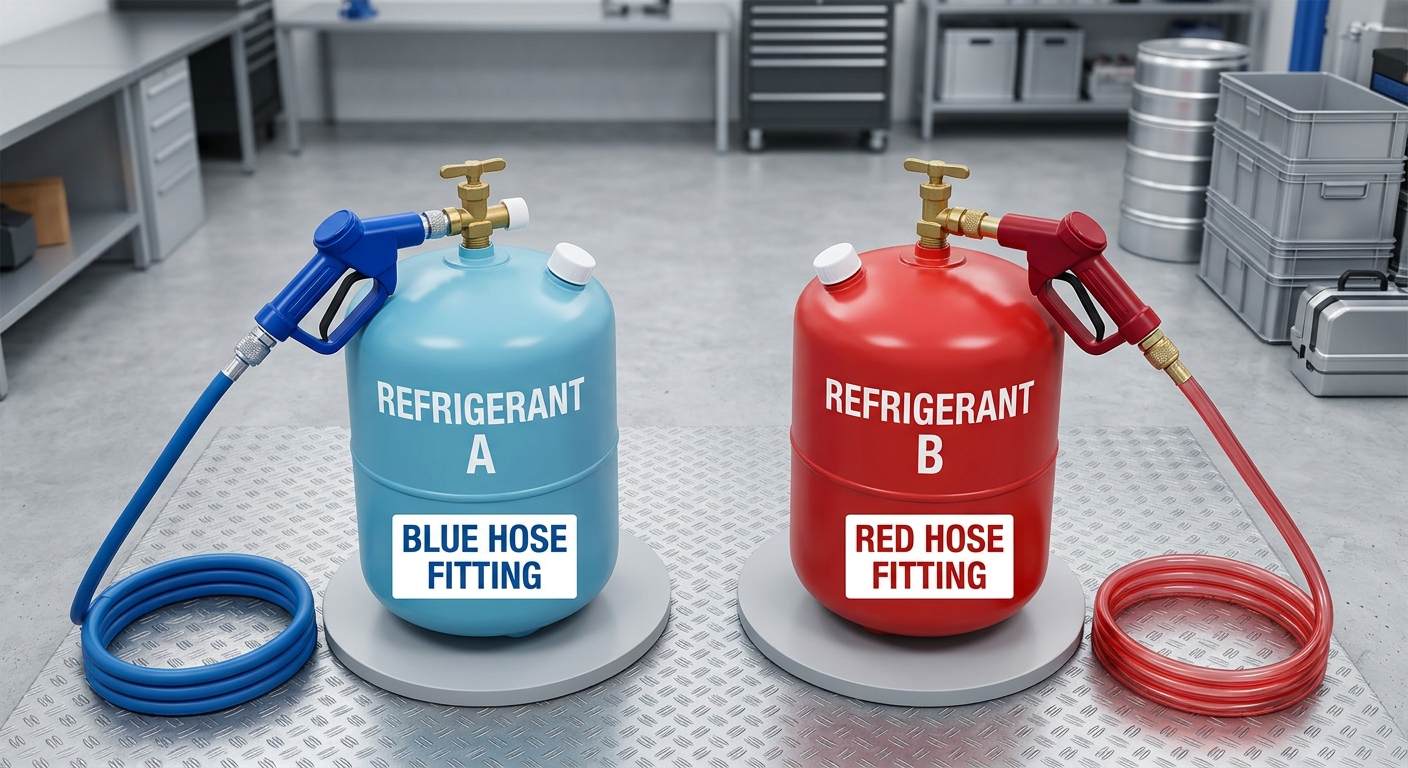
Two color-coded refrigerant tanks representing R134a and R1234yf separation
Charge Accuracy: The Spec Most Buyers Skip
An AC system that's overcharged by even 10-15% can cause compressor clutch slip, reduced cooling performance, and unusual noise — and it's one of the top reasons for AC-related comebacks.
Cheaper machines rely on manual gauge reading or basic scales accurate to about ±1 ounce. Better combo and full R/R/R machines use load-cell digital scales accurate to ±0.5 oz or better, with some premium units hitting ±0.25 oz through automated fill logic that stops precisely at the target weight. For a compressor that requires a 14-ounce charge, a ±1 oz margin of error is a real problem — that's a 7% swing in either direction.
If your shop handles hybrid or EV vehicles with electric compressors, accuracy matters even more, since these systems are far less tolerant of over or undercharging than traditional systems.
Matching the Machine to Your Bay Setup
A full R/R/R machine sitting idle three days a week isn't a good investment — but neither is a recovery-only unit slowing down a busy general shop.
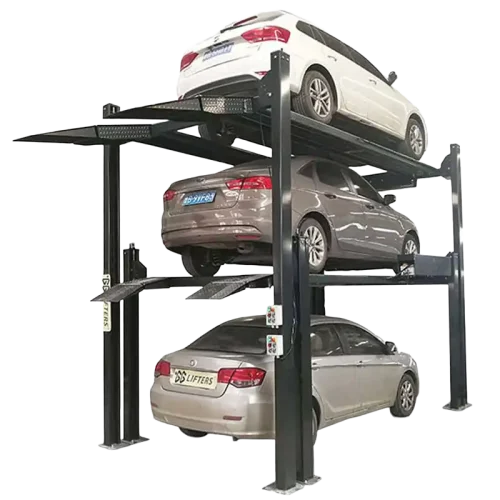
Think about it in terms of daily throughput. If your shop structure already includes a dedicated diagnostic and lift setup — similar to the layout principles covered in professional workshop layout planning — an AC service station should get its own bay space with easy access to both refrigerant types if you service mixed fleets. Cramming an AC machine into a general repair bay alongside lift equipment and diagnostic tools just slows everyone down.
Volume thresholds to plan around
Under 5 AC jobs/week: recovery-only or combo unit is sufficient
5-15 jobs/week: combo unit with digital scale is the sweet spot
15+ jobs/week or fleet contracts: full R/R/R machine pays for itself within a year
Maintenance That Keeps the Machine Accurate
An AC machine that isn't maintained drifts out of calibration slowly — and most techs don't notice until a customer complains about weak cooling weeks later.
Filters need replacement on a schedule tied to job volume, not calendar time. A shop running the machine 15 times a week should be checking the oil separator and desiccant filter every 200-300 recovery cycles, not once a quarter. Vacuum pump oil should be changed regularly too — contaminated pump oil is one of the most common causes of incomplete system evacuation, which leaves moisture in the AC system and causes it to freeze up internally over time.
Just like routine lift inspections prevent workshop accidents, a simple weekly check on hose seals, gauge calibration, and filter condition prevents most AC machine failures before they cost you a comeback.
Technician inspecting refrigerant filters on a car AC service machine
Yes. We provide OEM and ODM services, including logo printing, custom colors, packaging design, and product specification adjustments. Available options depend on the product type and order quantity.
What is your minimum order quantity (MOQ)?
MOQ requirements vary by product. Most standard products are available in flexible quantities, while customized branding, packaging, or product development may require a minimum order. Contact us with the product model and required quantity for confirmation.
Do you offer samples?
Samples or trial orders are available for most product categories. Sample charges and refund terms depend on the selected product and will be confirmed before ordering.
Which ports do you ship from?
We can arrange shipment from major ports in China, including Shanghai, Ningbo, Shenzhen, and Qingdao. The final port will be selected according to the product location and shipping arrangement.
Which trade terms do you support?
We support EXW, FOB, CIF, and other standard international trade terms. The available option will be confirmed in your quotation based on the order and destination.
Can you supply products beyond your catalog?
Yes. If you cannot find the required automotive tool or workshop equipment in our catalog, send us your specifications, target quantity, and application. Our team can help identify and source a suitable solution.