How to Choose the Right Automotive Diagnostic Scanner for Your Workshop
Choosing the right diagnostic scanner comes down to three factors: the vehicle types you service, the depth of diagnostics you need, and how it fits into your wider range of automotive testing and diagnostic equipment. A basic OBD2 reader is sufficient for a small passenger-car workshop doing fault-code checks, while a multi-brand professional system or a J1939-capable heavy-duty scanner is essential the moment your bay sees vans, trucks, or mixed fleets. Match the tool to your actual vehicle mix first — then evaluate features and cost.
Feature
Basic OBD2 Scanner
Mid-Range Professional
Advanced Professional
Heavy-Duty / Commercial
Typical Price Range
$30–$150
$300–$800
$800–$2,500
$2,000–$6,000+
Vehicle Coverage
Passenger cars only
Cars, light vans
Cars, vans, some trucks
Trucks, buses, trailers
Protocol Support
OBD2 / CAN basic
OBD2 + OEM enhanced
Multi-brand OEM + ADAS
J1939, J1708, CANbus
Bi-Directional Control
✗
Limited
✓
✓
Live Data Streams
Basic PIDs only
Expanded PIDs
Full system live data
Full system + fleet data
Software Updates
Rare / manual
Annual subscription
Regular OTA updates
Regular OTA updates
Best For
DIY / quick checks
Small general workshop
Multi-brand service center
Fleet / truck workshop
Understanding the Three Scanner Categories
Diagnostic scanners fall into three distinct tiers, each engineered for a different workshop profile. Knowing where each tier starts and stops prevents both under-buying (missing faults you can't read) and over-spending (paying for protocols you'll never use).
Basic OBD2 Scanners
These read and clear generic fault codes across all OBD2-compliant vehicles (post-1996 petrol, post-2004 diesel in most markets). They display live sensor data for a handful of standard PIDs — engine RPM, coolant temp, O2 sensors — and cost $30–$150. They're useful for a quick pre-inspection check but cannot access manufacturer-specific sub-systems like ABS, airbags, or transmission control modules.
Professional Multi-System Scanners
Mid-range units ($300–$800) add OEM-enhanced data for major brands, bi-directional actuation on select systems, and full-system scanning beyond the powertrain. Advanced professional tools ($800–$2,500) extend this to ADAS calibration triggers, key programming, and broad OEM coverage across 100+ vehicle brands — a necessity for any multi-brand service center. You can explore compatible automotive diagnostic equipment in WINSEN's full lineup.
Heavy-Duty Commercial Scanners
Trucks, buses, and trailers run on J1939, J1708, and proprietary CANbus protocols that standard OBD2 tools cannot interpret. Heavy-duty scanners ($2,000–$6,000+) decode engine, transmission, ABS, and body-controller data across commercial vehicle platforms including Cummins, Detroit Diesel, Volvo, and MAN.
Matching Scanner Type to Your Workshop's Vehicle Mix
The single most important selection criterion is the range of vehicles that come through your bays — not the features list on the scanner's spec sheet.
Passenger-car-only workshop: A mid-range professional scanner with OEM coverage for your region's dominant brands (Toyota, Ford, VW, Hyundai, etc.) covers most routine jobs. Budget $400–$900 and prioritize reliable annual software updates.
Mixed light-vehicle and van workshop: Choose an advanced professional scanner with full-system bi-directional control. Van servicing may require DPF regeneration, injector coding, gearbox adaptations, and other functions that entry-level tools cannot perform.
Truck and bus service facility: Use a dedicated heavy-duty diagnostic scanner that supports the commercial vehicle brands, communication protocols, and system functions commonly handled by your workshop.
Fleet maintenance depot: Consider a scanner with fleet management integration so fault records, service history, and diagnostic reports can be logged against each vehicle identification number.
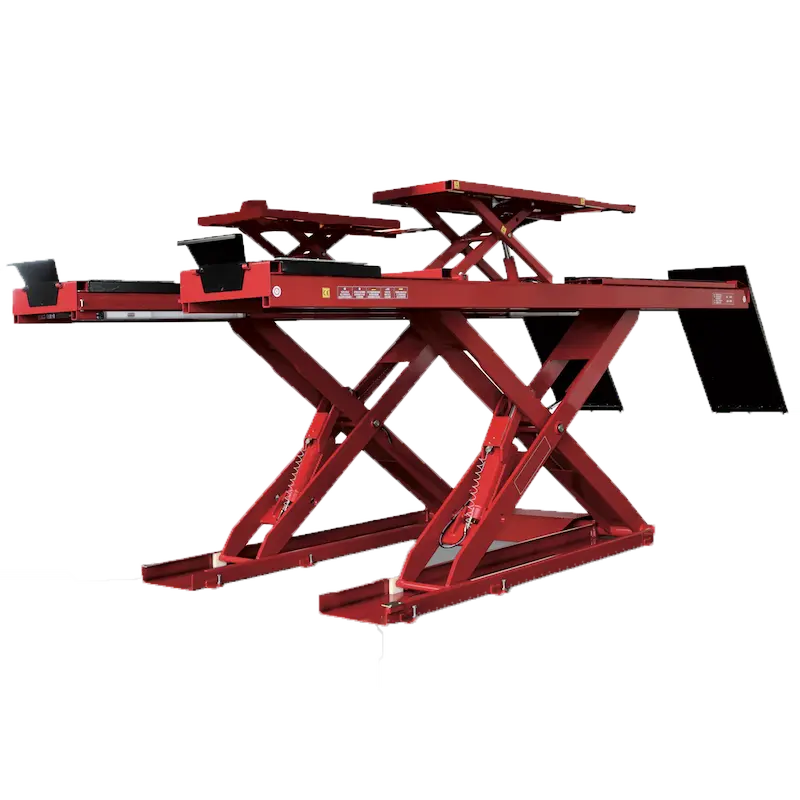
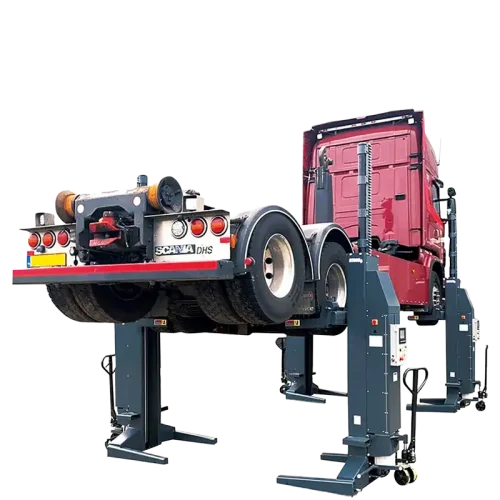
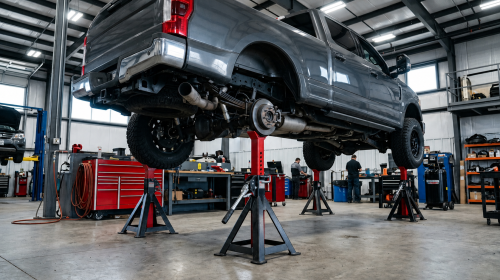
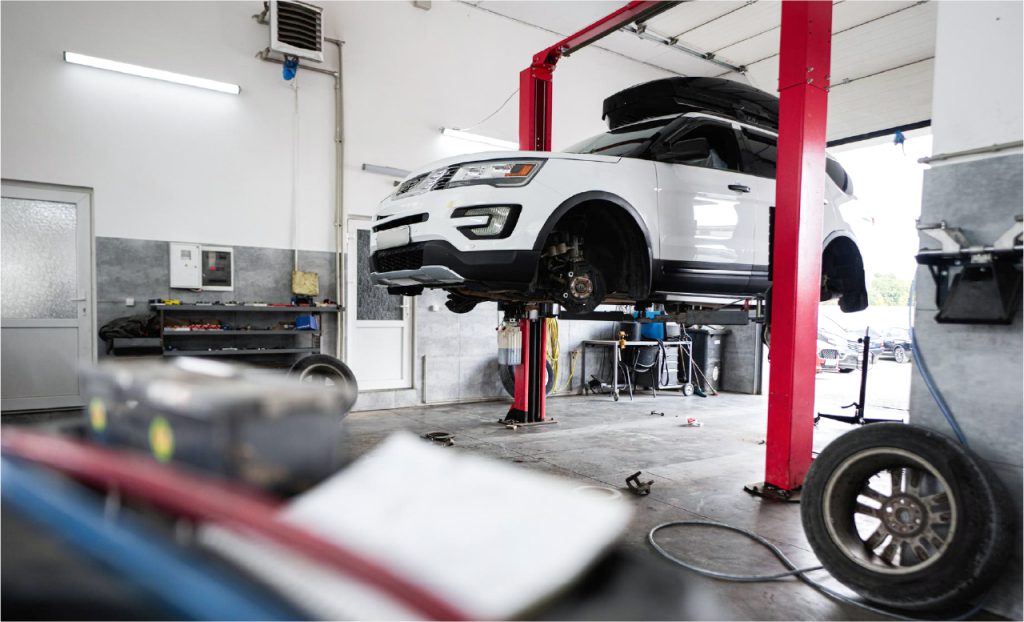
Related Workshop Equipment: Commercial vehicle workshops may also require suitable lifting equipment for inspections and mechanical repairs. WINSEN's heavy-duty column lifts support truck and bus servicing where safe under-vehicle access is required.
Real-world example: A regional bus operator's in-house workshop initially purchased a mid-range passenger-car scanner to save cost. Within three months they were unable to read ABS fault codes on their Volvo coaches or perform DPF regens on Mercedes Sprinter support vehicles. Upgrading to a J1939-capable commercial scanner eliminated the need to outsource those jobs, recovering the tool's cost within one quarter.
Technician using a heavy-duty diagnostic scanner on a commercial truck in a workshop with column lifts
Key Technical Specifications to Evaluate
Once you've identified your scanner tier, compare units on these five technical criteria before committing to a purchase.
Protocol Coverage
Confirm the scanner supports CAN, ISO 9141-2, KWP2000, and SAE J1850 for light vehicles. For commercial work, add J1939 and J1708 to the checklist. Missing a single protocol means a blank screen on certain vehicle generations.
Bi-Directional Control
This feature lets the scanner send commands to vehicle modules — activating fuel pumps, cycling ABS solenoids, or running injector cut-out tests. Without it, you can read faults but cannot confirm repairs. Any workshop doing more than basic fault-code clearing should treat bi-directional control as mandatory.
Software Update Policy
New vehicle models release annually. A scanner without a clear update roadmap becomes obsolete within 18–24 months. Verify whether updates are included, subscription-based, or pay-per-update before purchase. Factor the 3-year total cost of ownership, not just the hardware price.
ADAS Integration
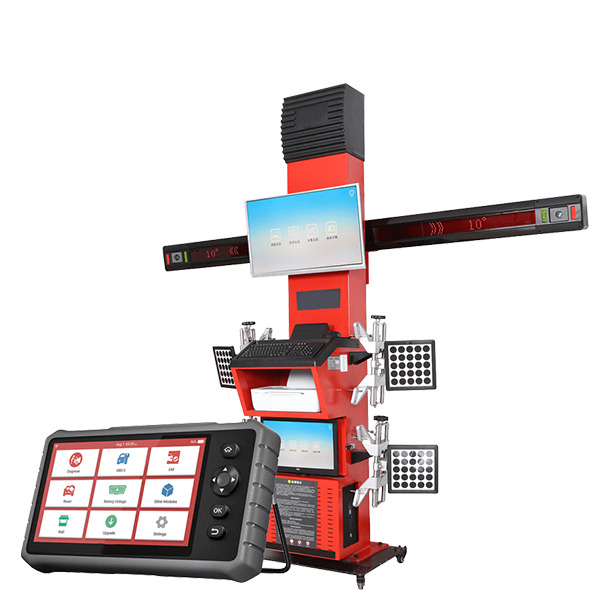
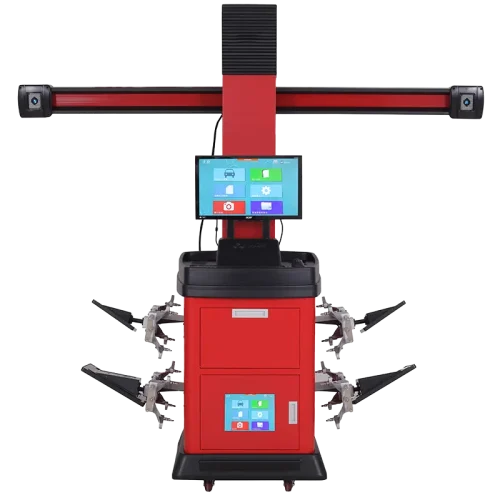
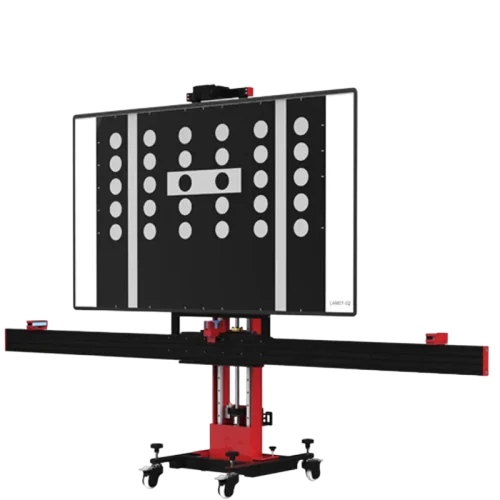
Workshops adding ADAS calibration services need a scanner that can trigger calibration routines and communicate with camera and radar modules. WINSEN's ADAS calibration equipment pairs directly with compatible professional scanners to deliver a complete calibration workflow — a growing revenue line as ADAS-equipped vehicles become the majority on the road.
Fuel System and Injector Diagnostics
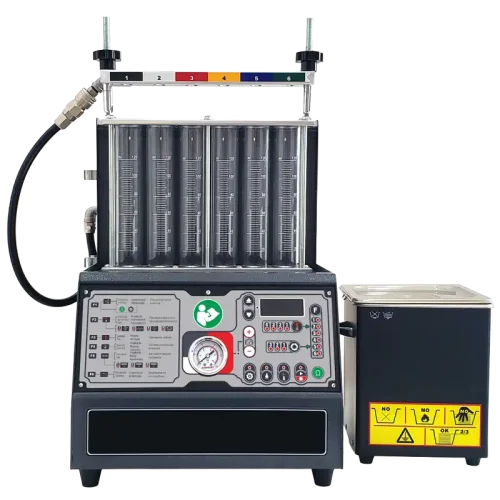
For workshops servicing high-mileage vehicles, scanner compatibility with dedicated injector testing is valuable. A fuel injector machine used alongside a scanner that can command individual injector cut-outs dramatically speeds up misfire diagnosis.
Close-up of automotive diagnostic scanner screen showing live engine data in a workshop environment
OBD2 vs Professional vs Heavy-Duty: Side-by-Side Comparison
The table below summarizes the four main scanner tiers across the criteria that matter most to workshop buyers. Use it as a quick-reference shortlist tool when evaluating suppliers or comparing quotes.
Criteria
Basic OBD2
Mid-Range Pro
Advanced Pro
Heavy-Duty
Typical Price Range
$30–$150
$300–$800
$800–$2,500
$2,000–$6,000+
Vehicle Coverage
Passenger cars only
Cars, light vans
Cars, vans, some trucks
Trucks, buses, trailers
Protocol Support
OBD2 / CAN basic
OBD2 + OEM enhanced
Multi-brand OEM + ADAS
J1939, J1708, CANbus
Bi-Directional Control
✗
Limited
✓
✓
Live Data Streams
Basic PIDs only
Expanded PIDs
Full system live data
Full system + fleet data
Software Updates
Rare / manual
Annual subscription
Regular OTA updates
Regular OTA updates
Best For
DIY / quick checks
Small general workshop
Multi-brand service center
Fleet / truck workshop
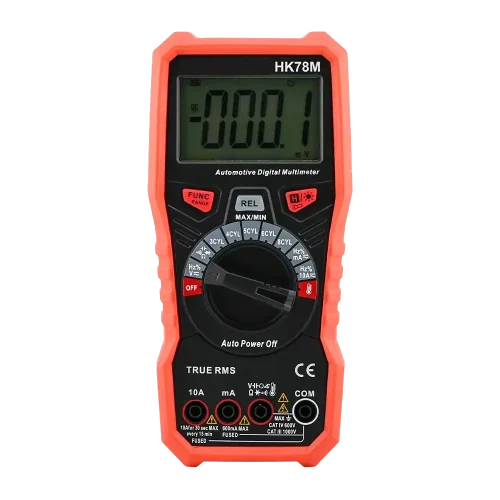
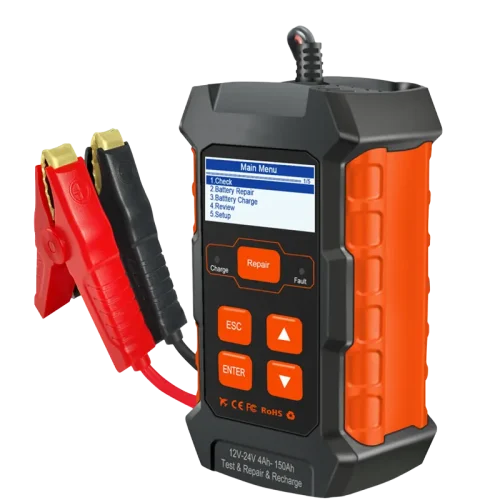
For workshops that also handle battery-related fault codes, pairing your scanner with a dedicated battery tester improves diagnostic accuracy — our guide on automotive battery testing with a multimeter covers the complementary workflow in detail.
Build Your Diagnostic Toolkit Around Your Workshop Goals
A diagnostic scanner doesn't operate in isolation — it's one layer of a complete workshop capability stack. The most productive workshops combine their scanner investment with the right supporting equipment to reduce diagnostic time and increase throughput per bay.
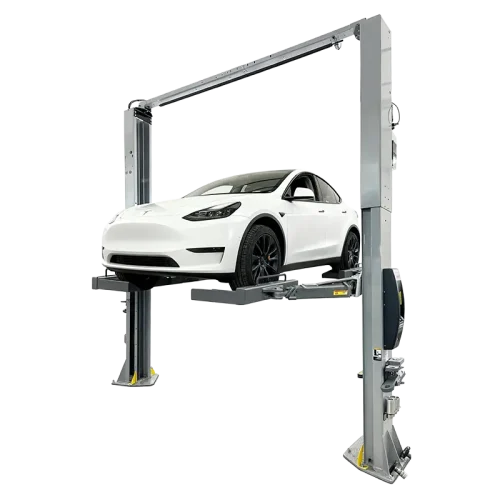
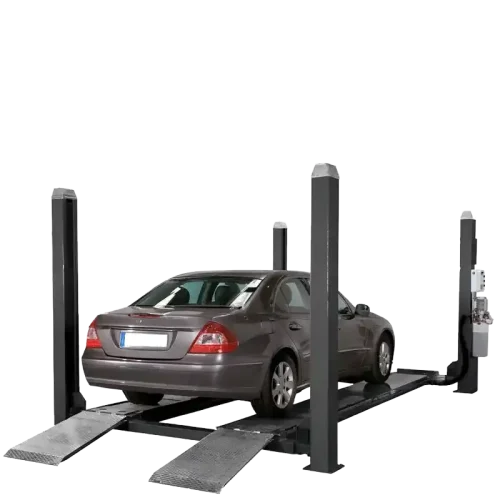
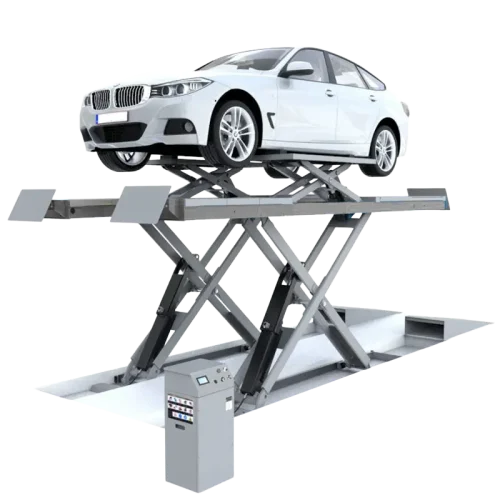
If you're setting up or expanding a workshop, consider how diagnostic equipment integrates with your lift setup and service workflow. A well-planned layout where a vehicle can be raised on a car lift while simultaneously connected to a scanner cuts average job time significantly compared to ground-level diagnostics followed by a separate lift cycle. Our guide on setting up a professional automotive workshop covers this integration in detail.
For workshops sourcing diagnostic equipment at scale — whether equipping multiple bays or building a distributor inventory — WINSEN's automotive diagnostic equipment range includes OEM support options with custom branding and volume pricing. Contact the WINSEN team to discuss your workshop's specific vehicle mix and get a matched equipment recommendation.
Key takeaways:
Start with your vehicle mix — scanner tier follows from that, not from feature lists.
Treat bi-directional control and software update policy as non-negotiable criteria for any professional purchase.
Factor 3-year total cost of ownership including subscriptions, not just hardware price.
Heavy-duty and ADAS work require purpose-built tools — mid-range scanners will not bridge that gap.
Yes. We provide OEM and ODM services, including logo printing, custom colors, packaging design, and product specification adjustments. Available options depend on the product type and order quantity.
What is your minimum order quantity (MOQ)?
MOQ requirements vary by product. Most standard products are available in flexible quantities, while customized branding, packaging, or product development may require a minimum order. Contact us with the product model and required quantity for confirmation.
Do you offer samples?
Samples or trial orders are available for most product categories. Sample charges and refund terms depend on the selected product and will be confirmed before ordering.
Which ports do you ship from?
We can arrange shipment from major ports in China, including Shanghai, Ningbo, Shenzhen, and Qingdao. The final port will be selected according to the product location and shipping arrangement.
Which trade terms do you support?
We support EXW, FOB, CIF, and other standard international trade terms. The available option will be confirmed in your quotation based on the order and destination.
Can you supply products beyond your catalog?
Yes. If you cannot find the required automotive tool or workshop equipment in our catalog, send us your specifications, target quantity, and application. Our team can help identify and source a suitable solution.