Wheel aligner cost for a workshop typically runs from roughly $4,000 for an entry 3D system to about $20,000 for a professional multi-camera system, at indicative market prices. Heavy-duty truck systems cost more still. A driver pays $50 to $200 per alignment at a service provider, while a workshop buying the machine to sell that service pays for the machine plus the lift, accessories, installation and training. Each of those needs its own line when you budget wheel alignment systems for cars, trucks and EVs.
How much does a wheel aligner machine cost?
The wheel aligner price depends mainly on technology and vehicle range. Entry 3D systems for cars and light trucks sell for about $4,000 to $6,900. Professional multi-camera systems cost about $15,000 to $20,000. Heavy-duty multi-axle truck and trailer systems cost about $24,700 to $41,000. An advertised wheel alignment machine price normally covers the machine only.
Tier
Typical price range
Typical buyer
Entry 3D, cars and light trucks
about $4,000 to $6,900
Independent shops, tyre shops adding alignment, mixed light-vehicle workshops
Professional multi-camera systems
about $15,000 to $20,000
Busy general repair shops, dealership service departments
Heavy-duty truck and trailer systems
about $24,700 to $41,000
Truck, bus and fleet workshops
These are indicative market ranges from US retail listings, not Winsen prices: Winsen quotes per order. Landed cost differs with brand, configuration, freight and duties.
Wheel aligner price by system type
Entry-level and 3D systems
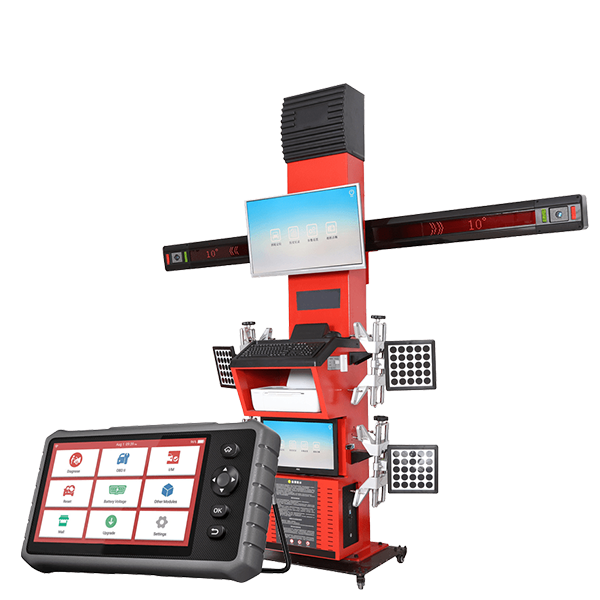
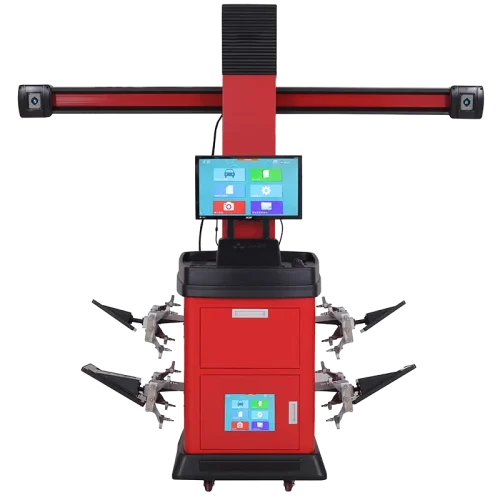
Camera-based 3D systems read wheel targets rather than carrying sensor heads on each wheel. They suit low-volume shops, tyre shops adding an alignment service, and mixed fleets that mainly see passenger cars, SUVs and light trucks. At this level the sticker price is only a starting point, because clamps, turntables and the vehicle database are not always in the base price. Compare full quotes rather than headline figures.
Professional multi-camera systems
Professional systems at roughly $15,000 and above add more cameras, more hardware and a larger vehicle database. Packages within the same product line often differ mainly in clamps and included hardware, so the cheaper package can need add-ons later. They fit high daily volume, where repeatable set-up time matters more than the sticker price. Judge accuracy claims against the manufacturer’s published procedure and calibration requirements, not a headline figure.
Mobile and truck systems
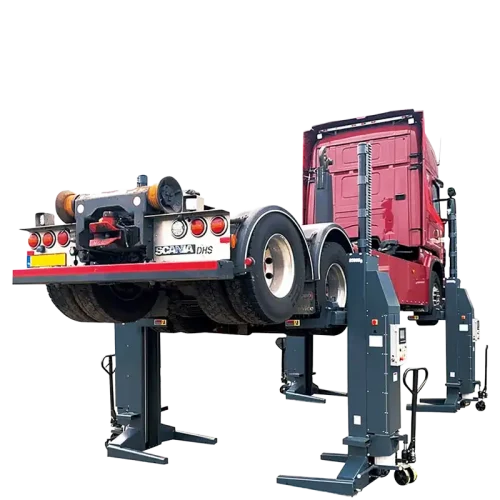
Truck, bus and trailer alignment is a separate budget, at about $24,700 to $41,000. These systems handle multi-axle vehicles, and portable versions come in transit cases that can serve several bays or a mobile service. Size the requirement by the heaviest vehicle you must serve.
Camera and sensor count, and 2D vs 3D technology. More measurement hardware costs more, and fewer manual steps per vehicle usually costs more too.
Vehicle range. A system for cars only costs less than one that must also cover trucks, vans and EVs.
Software and vehicle-spec database. Check whether updates are included, how long they run, and whether a subscription applies after the first period.
Brand and support network. Spare clamps, targets and technical help matter over the life of the machine.
ADAS readiness. Many newer vehicles need sensor recalibration after an alignment. ADAS calibration equipment is a separate purchase from the aligner, so budget for it if your customers drive late-model cars.
Costs beyond the machine
A quote for the aligner alone understates the real project cost. Ask for an itemised quote that covers each of these:
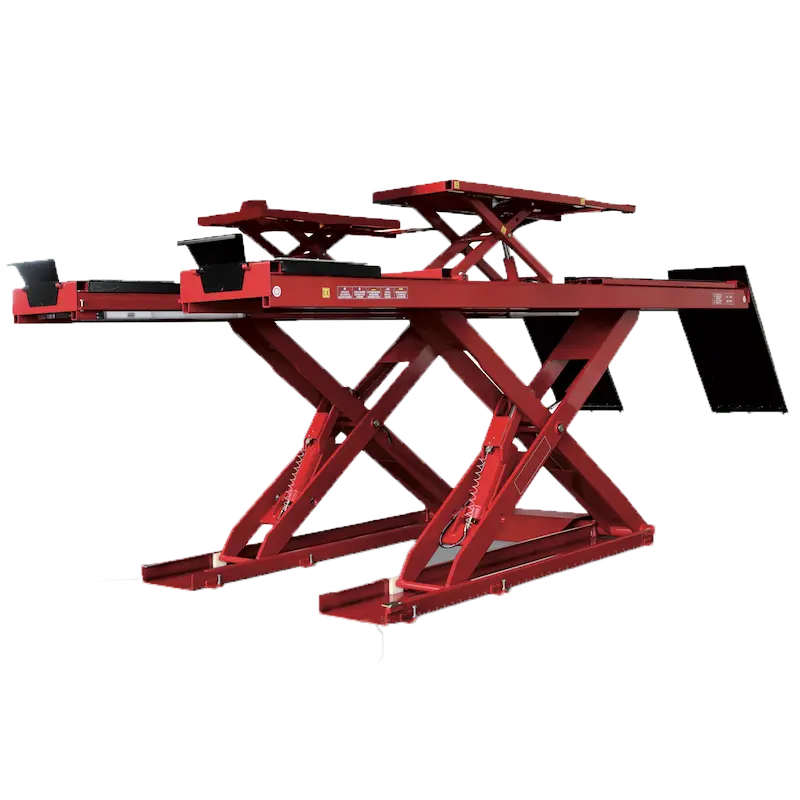
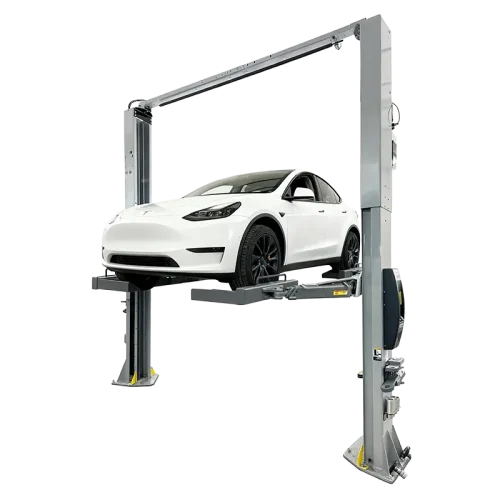
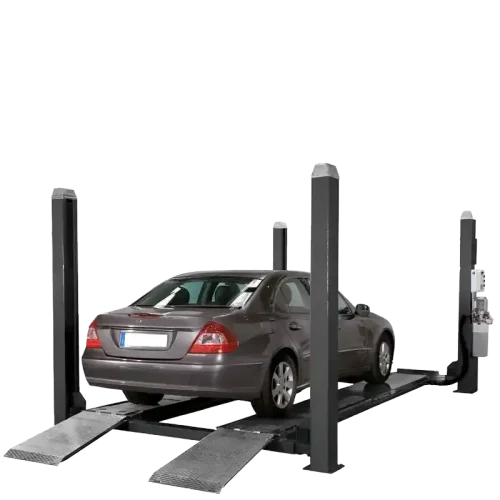
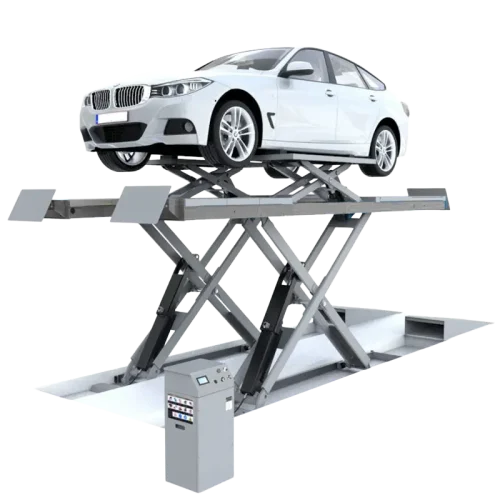
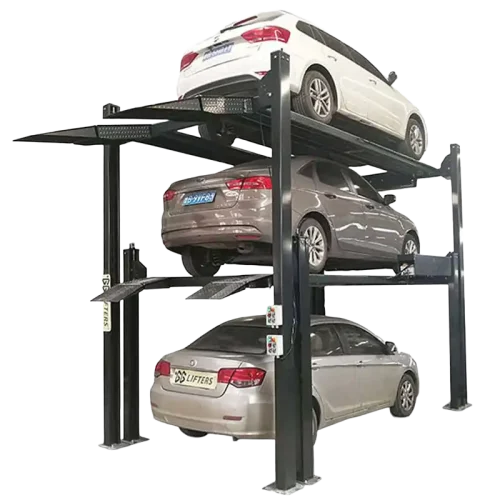
Lift or alignment rack. An aligner needs a level, suitable platform. If your existing two-post or scissor lift is suitable, this line may be zero. If not, lift type and capacity drive the budget. The common platforms are an alignment-type scissor lift, where car scissor lift cost depends on capacity, rise height and alignment features, and a four-post lift for maintenance and wheel alignment.
Turntables, slip plates and wheel clamps. Confirm clamp sizes against the rim and tyre range you actually service.
Calibration kit. Some systems need one, and many need periodic calibration or service.
Installation, floor and power. Check the bay, floor condition, power supply and tablet or PC requirements before delivery. Confirm the platform is level before the installer arrives: an out-of-level rack or a settled slab is a frequent reason an install needs shimming and a re-check before the first job.
Training. Technicians need time to learn procedures, and early jobs run slower.
Spares and ongoing service. Spare clamps, targets and cables are the parts that wear out or get damaged.
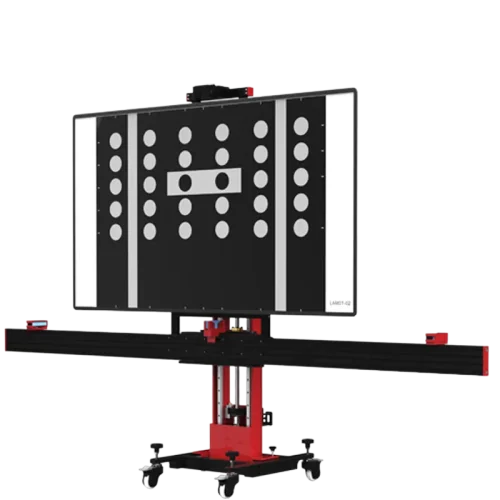
Sensor recalibration tools. If the shop will recalibrate ADAS sensors after alignment, mobile or fixed calibration targets and frames are a further line on top of the aligner, with their own floor-space needs.
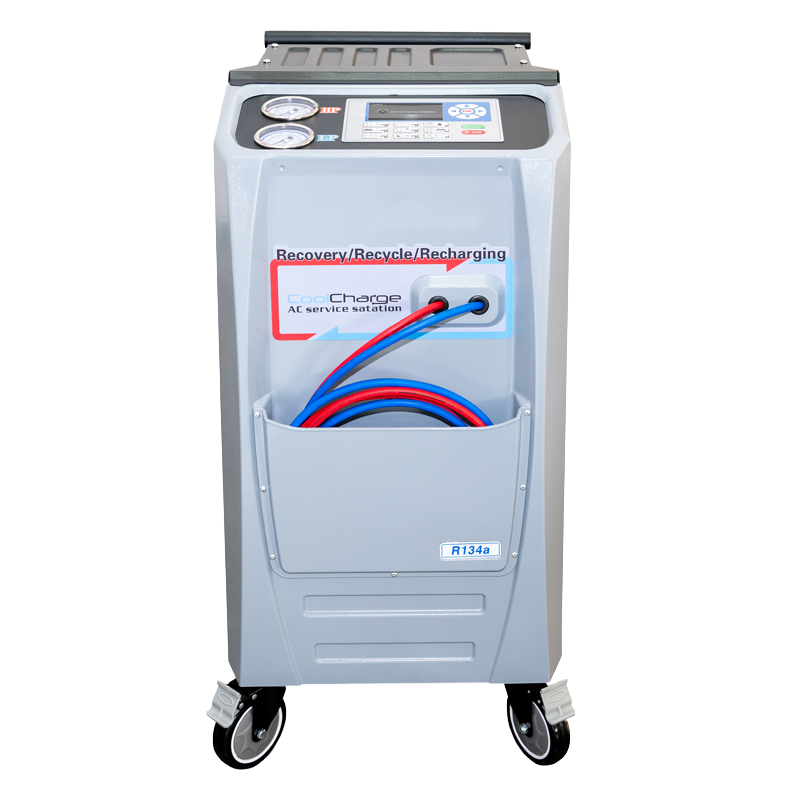
When the aligner is one of several purchases for a new or expanding bay, itemise the rest of the service equipment the same way, from the lift to car AC machine cost, so the whole equipment budget is set on a like-for-like basis.
Is buying a wheel aligner worth it? Payback math
Use this formula: alignments per week × your price per alignment × weeks open, minus the machine, lift, installation, training, labour and running costs.
For revenue benchmarks, national service chains and consumer price guides put a wheel alignment at about $50 to $200 for the driver, with many chains starting at around $100 and complex four-wheel alignments at the top of the range. These are service prices, not machine prices, and your local market will differ.
Margin per job: $60, so about 167 alignments to recover the outlay
At 10 alignments a week, that is roughly 17 weeks of trading
This is a worked formula, not a promise of return. Real results depend on demand, price, technician time, utilisation and how many jobs also lead to tyre and suspension work.
What to ask before you buy
What is included? Machine, clamps, turntables, cabinet, tablet or PC, and any calibration kit.
Which vehicles are covered? Passenger cars, light trucks, vans, EVs or heavy vehicles, and how the database handles new models.
How do software updates work? Duration, cost after the first period, and whether they are offline or online.
What are the calibration and service needs? How often, who performs them, and what they cost.
What training and after-sales support is offered? Spare parts availability and technical help matter more than a small price gap.
Sourcing alignment through Winsen
Winsen supplies 3D and 5D aligners, NEV-specific, truck and portable alignment systems as part of its tyre service range for distributors, importers, installers, dealership chains and new workshop projects. Alignment can ship in a mixed container with tyre changers, balancers and other workshop equipment, OEM and private-label branding is available, and pricing is quoted per order. Ask for the machine, clamps, turntables, software and accessories as separate lines so offers can be compared on the same basis.
Indicative market prices put entry 3D systems for cars and light trucks at roughly $4,000 to $6,900, professional multi-camera systems at about $15,000 to $20,000, and heavy-duty truck systems at about $24,700 to $41,000. These ranges cover the machine only, so add the lift or rack, accessories, installation and training before comparing quotes.
How much should a wheel alignment cost?
A driver typically pays about $50 to $200 at a service provider. Front-only alignments sit at the low end, and four-wheel alignments on vehicles with advanced steering and stability systems sit higher. For a workshop owner, that price range is the revenue side of the payback calculation.
What is the cheapest wheel aligner option?
Entry 3D systems are the lowest-priced shop-grade option, starting at about $4,000. The cheapest quote is not always the cheapest system. Check that clamps, turntables, vehicle data and software updates are included, because missing items add cost later.
Is a 3D wheel aligner cheaper than a 2D system?
Not automatically. Price depends on the vehicle database, accessories, brand and what the quote includes, not on the technology label alone. Entry 3D systems start at about $4,000, so compare complete itemised quotes for each technology rather than assuming one is cheaper.
Do I need a dedicated lift for a wheel aligner?
An aligner needs a level, stable platform where the wheels can turn freely, and that is either a suitable existing lift or an alignment rack. Some mobile systems are designed to work on a two-post or scissor lift. Check the manufacturer’s lift requirements before you assume your current lift will do.
Does an aligner support ADAS calibration?
Alignment and ADAS calibration are separate procedures. Many manufacturers require a correct alignment before sensors are recalibrated, so the two are used together. Calibration needs its own target equipment and floor space, so it is usually priced as a separate purchase.
Are used or refurbished aligners worth it?
They can lower the upfront price, but they carry risk on software support, camera condition, vehicle database coverage and parts availability. Ask for a recent calibration record, confirm update access, and check that clamps and targets are complete before you commit.
How long does it take for an aligner to pay for itself?
In an illustrative case with a $10,000 all-in cost and a $60 margin per job, it takes about 167 alignments, or roughly 17 weeks at 10 alignments a week. Actual payback depends on local demand, pricing and technician time, so this is not a guaranteed return.
Yes. We provide OEM and ODM services, including logo printing, custom colors, packaging design, and product specification adjustments. Available options depend on the product type and order quantity.
What is your minimum order quantity (MOQ)?
MOQ requirements vary by product. Most standard products are available in flexible quantities, while customized branding, packaging, or product development may require a minimum order. Contact us with the product model and required quantity for confirmation.
Do you offer samples?
Samples or trial orders are available for most product categories. Sample charges and refund terms depend on the selected product and will be confirmed before ordering.
Which ports do you ship from?
We can arrange shipment from major ports in China, including Shanghai, Ningbo, Shenzhen, and Qingdao. The final port will be selected according to the product location and shipping arrangement.
Which trade terms do you support?
We support EXW, FOB, CIF, and other standard international trade terms. The available option will be confirmed in your quotation based on the order and destination.
Can you supply products beyond your catalog?
Yes. If you cannot find the required automotive tool or workshop equipment in our catalog, send us your specifications, target quantity, and application. Our team can help identify and source a suitable solution.