Hydraulic Floor Jack vs the Alternatives: How to Choose
For bay work on a flat workshop floor, a hydraulic floor jack is the best default. The alternatives win only in specific situations: lift points that sit too high for a floor jack’s saddle, a vehicle that needs a compact emergency jack, or a busy bay where compressed air makes lifting faster. Whichever type you specify or stock, no jack is a support device. Jack stands belong with every jack type.
What is a hydraulic floor jack?
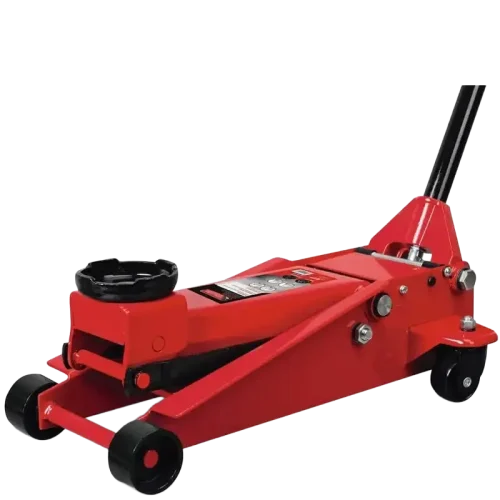
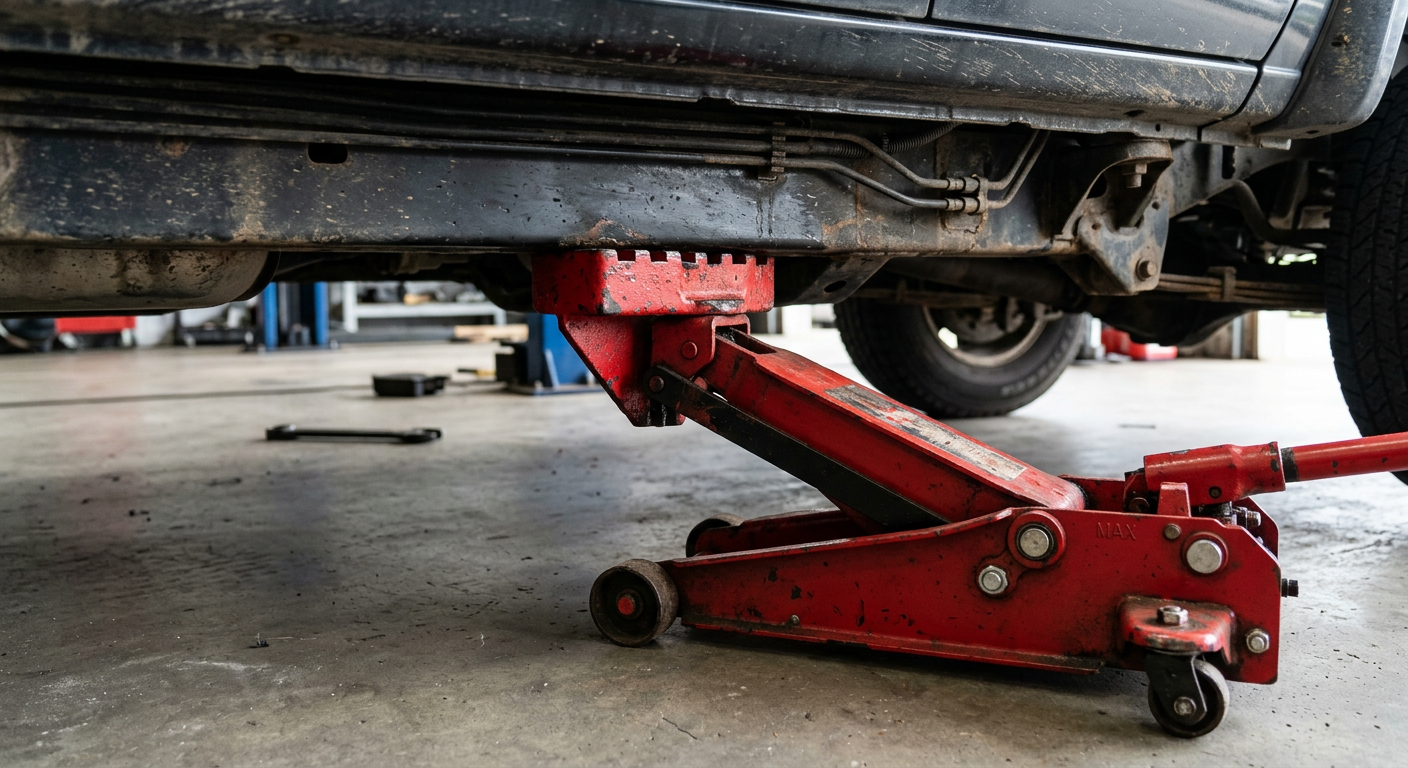
A hydraulic floor jack is a wheeled, low-slung jack with a horizontal body, a long pump handle and a lifting arm that raises one end or one corner of a vehicle. Pumping the handle pushes hydraulic fluid into a cylinder, and that pressure drives a piston that swings the arm upward. Opening the release valve lets the fluid return and lowers the load in a controlled way.
The main parts are the saddle (the pad that meets the vehicle), the lifting arm, the pump, the release valve, the handle and the casters. “Trolley jack” is the same tool under a different name.
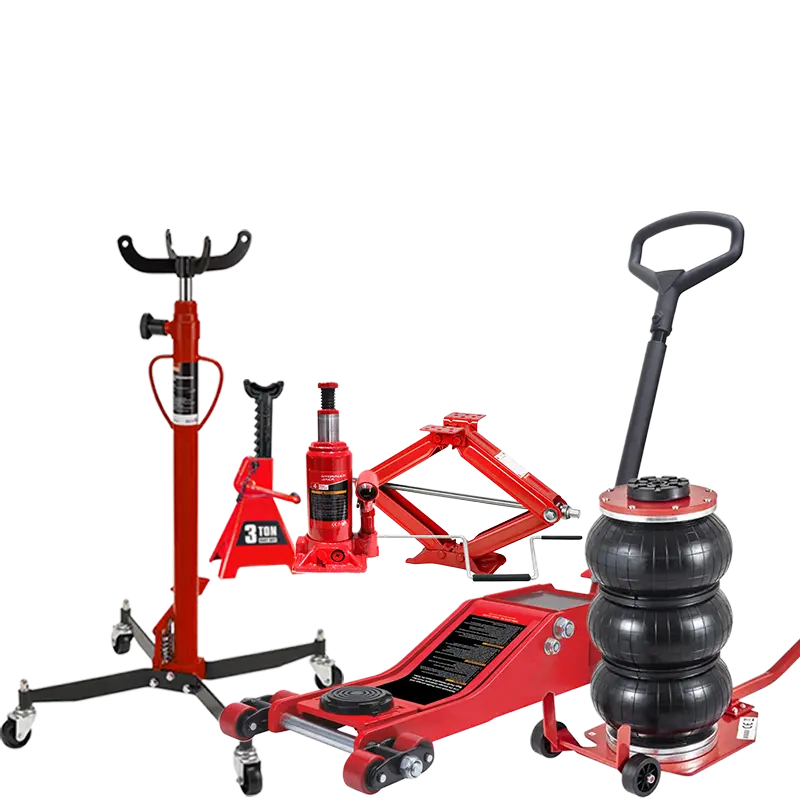
Capacity should follow the vehicle mix. A 2T unit suits sedans, while 2.5–3T units suit SUVs and light trucks. Winsen’s range of trolley-style floor jacks in 1.5–3.5T covers mini, lightweight, aluminum, heavy-duty and big-wheel variants, with low-profile and dual-pump versions.
Floor jack vs alternatives at a glance
Each jack type solves a different problem. Start height, speed and footprint matter more than capacity alone, because most vehicles in a workshop weigh well within the rating of any standard jack. The figures here are typical market values for standard-duty units, not specifications of any particular product. Relative cost compares purchase price only, and sourcing cost moves with capacity, specification, branding and order volume.
Jack type
Best for
Stability
Typical start / max height
Lift speed (unloaded)
Relative cost
Main drawback
Hydraulic floor jack, standard
Daily bay work on flat concrete
High: wide wheelbase, low centre of gravity
~5 in start; 18–24 in max
Roughly 10–20 pumps; quick-lift or dual-pump cuts this to a few
Medium
Heavy and bulky; may fall short on tall lift points
Hydraulic floor jack, low-profile
Sports cars and low-clearance vehicles
High
~3.5 in start; max often at the lower end of the 18–24 in range
Similar to standard; dual-pump versions are faster
Medium to high
Less reach for SUVs and trucks
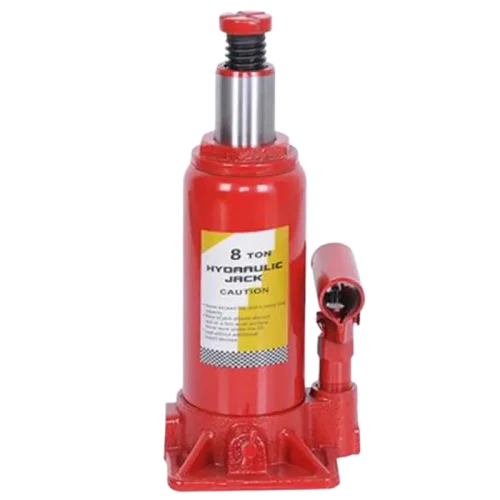
Bottle jack
Mobile service, tall vehicles, tight spaces
Moderate: narrow vertical base
~7–9 in start
Slower per inch of lift; many short pumps
Low
Needs a firm, level base; no roll-under convenience
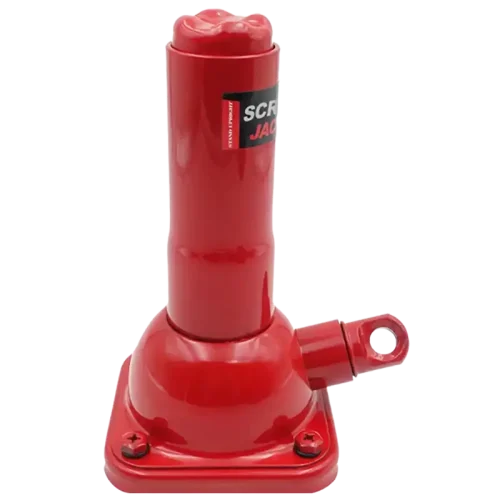
Scissor jack
Emergency tyre changes carried in the vehicle
Low: small base
Low start; limited extension
Slowest: manual winding
Lowest
Unsuited to repeated shop use
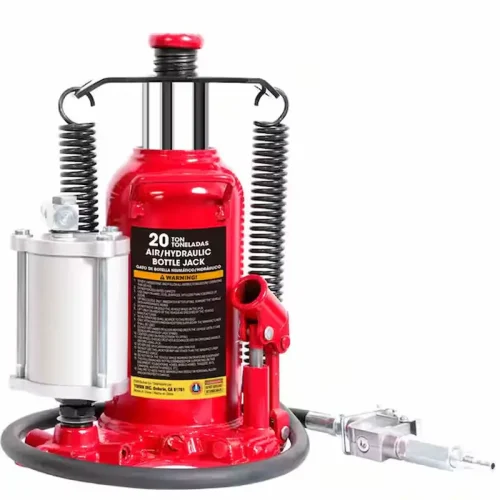
Air jack
Busy bays and fast turnaround
High to moderate, by design
Depends on model
A few seconds to full height
Medium to high, plus compressor and air line
Dependent on air supply
Drive-on ramps
Under-body access without a jack
High
Fixed height
Not applicable
Low
No wheel-free access, so no tyre or brake work
Floor jack vs bottle jack
Stability and footprint
A floor jack spreads the load across a long, wide frame on wheels, and the weight stays low. A bottle jack stands on a small vertical base, so any soft or uneven ground shows up immediately. On gravel, compacted dirt or tilted asphalt it needs a solid, level plate beneath it. On a flat concrete workshop floor, the floor jack is the steadier tool.
Reach and portability
A bottle jack has a higher start height, typically 7–9 in, but it extends well for its size. That makes it a practical choice for taller vehicles and for jacking points that a floor jack’s saddle cannot reach. It also fits in a service van or a recovery kit. A floor jack stays in the bay, rolls under the vehicle and positions quickly, which saves time when the same jack is used many times a shift. Many workshops and dealers stock both: a floor jack for the bay, a bottle jack for tall vehicles and mobile call-outs.
Floor jack vs scissor jack
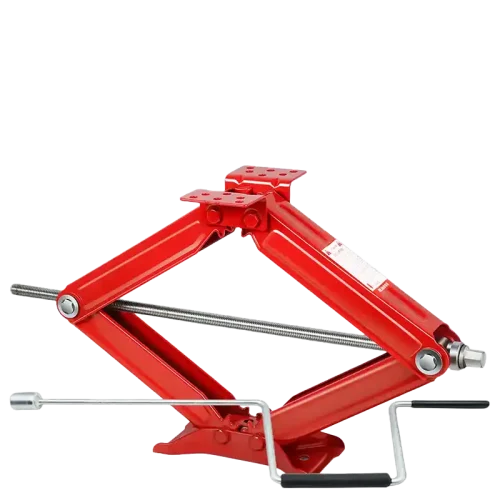
A scissor jack is the emergency jack that comes with a vehicle. It is cheap to produce and takes almost no space, but it is slow to wind, needs real effort to turn, and has a small base that is easily unsettled on soft ground. It is acceptable for changing a punctured tyre at the roadside and unsuitable for repeated workshop use.
The verdict is simple: keep it in the spare-wheel kit and use a floor jack in the bay.
Floor jack vs air jack
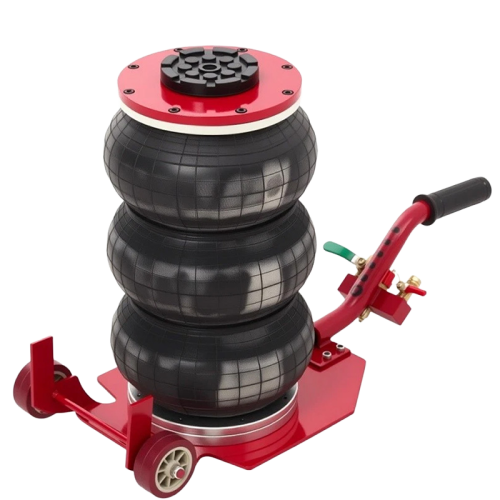
An air jack replaces hand pumping with compressed air. It reaches full height in a few seconds, where a standard manual floor jack needs roughly 10–20 pumps, which suits a bay where vehicles turn over fast. The trade-off is dependency: it needs a compressor and an air line, and it is only as good as the supply. For a workshop that already runs compressed air at the bay, it is a natural upgrade. For occasional lifting away from the compressor, a manual floor jack is simpler.
When a floor jack can’t reach: SUVs, trucks and high lift points
A floor jack has a minimum saddle height at the bottom of its stroke, typically around 5 in for a standard unit and around 3.5 in for a low-profile one, and a maximum of roughly 18–24 in at the top. The problem on a tall vehicle is that the lift point sits so high that most of the stroke is used up just reaching it. A jack with a long maximum height can still raise a lifted SUV by only a few inches, barely enough to slide a stand underneath.
Measure before you specify. With the vehicle at ride height on level ground, measure from the floor to the manufacturer’s lift point. Compare that figure with the jack’s minimum saddle height, which must be lower, and its maximum height, which must leave room to clear a stand at its lowest setting. If the margin is thin, the jack is the wrong match for that vehicle.
Fixes, in order of preference:
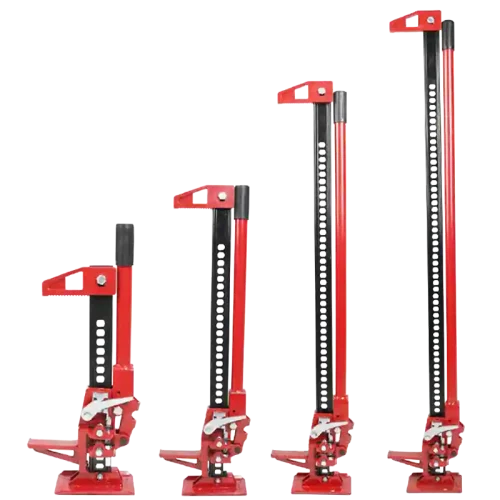
Match the jack to the vehicle. Long-reach and heavy-duty floor jacks start higher and extend further. For low vehicles, low-profile hydraulic floor jacks in 2T–3.5T start lower to slide under low sills and skid plates.
Use a rated saddle or truck extension made for that jack, not an improvised spacer.
Switch to a bottle jack for the high lift point, on a solid, level base.
Timber blocks are not a recommended fix. Wood can split under a concentrated load, and a split during a lift is dangerous.
Why every jack needs stands
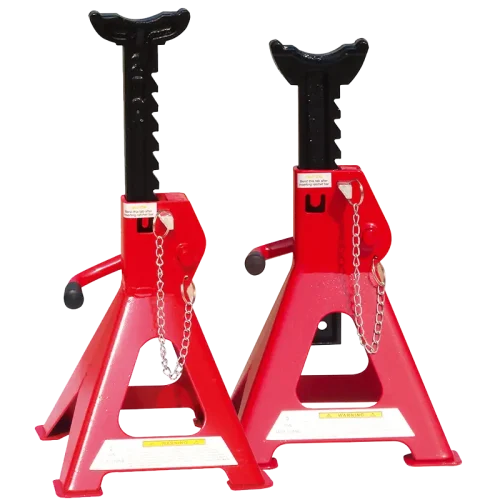
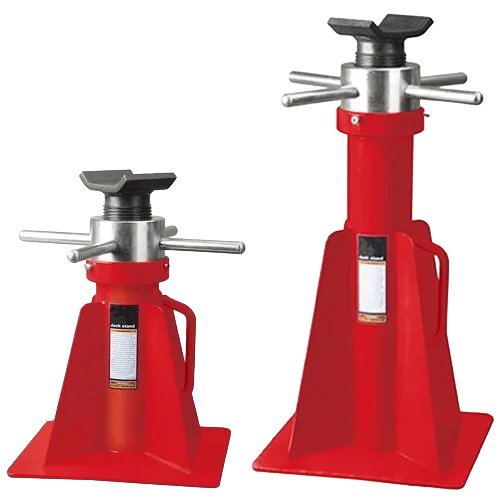
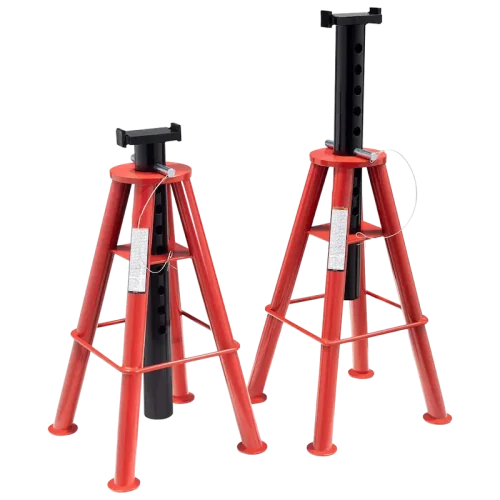
A jack lifts, and a stand supports. A hydraulic jack can leak down, be knocked or fail at a seal, so nobody should work under a vehicle held by a jack alone.
The sequence is the same for every jack type:
Lift the vehicle at the manufacturer’s lift point, on a flat, hard surface.
Place a rated stand under a solid support point.
Lower the vehicle slowly until its weight rests on the stand.
Leave the jack in place, lightly loaded, as a backup.
Capacity: pick a rating that gives a safe margin over the heaviest vehicle you service. A common rule of thumb is a jack rated for about 75% of the vehicle’s weight, with more capacity giving more margin.
Lift-point height: measure the lift point at ride height and compare it with the jack’s minimum and maximum saddle height. This check catches most wrong purchases.
Surface: flat concrete favours a floor jack. Gravel, dirt or sloped ground favours a wider base and a load plate under any jack.
Use pattern: a bay jack used all day needs durability and quick-lift or dual-pump options. A van or recovery kit needs compactness.
Safety features: look for an overload protection valve, a wide saddle, a safety pin where offered, and a reinforced frame. TÜV GS certificates are published for Winsen’s floor jack and bottle jack, and documentation should be confirmed for the specific model you order.
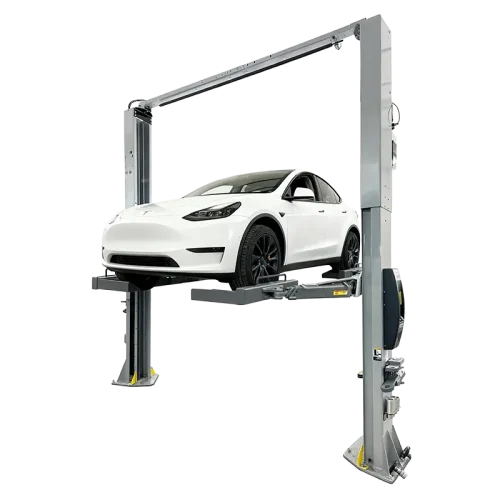
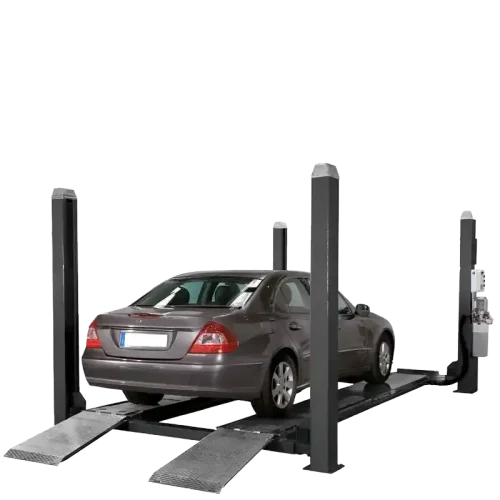
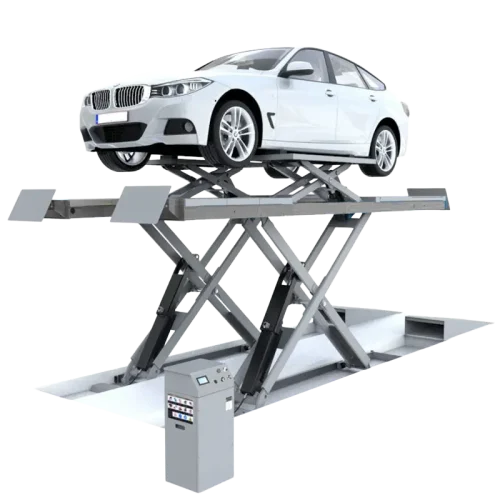
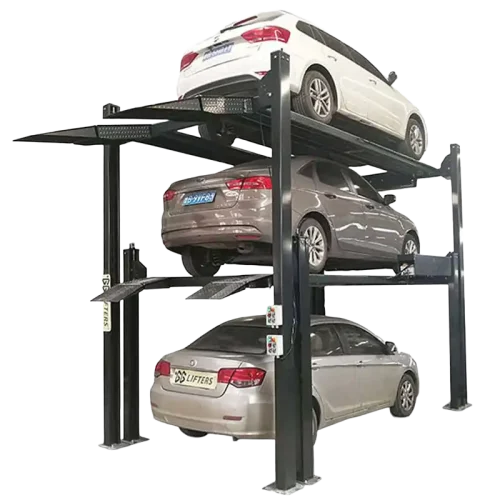
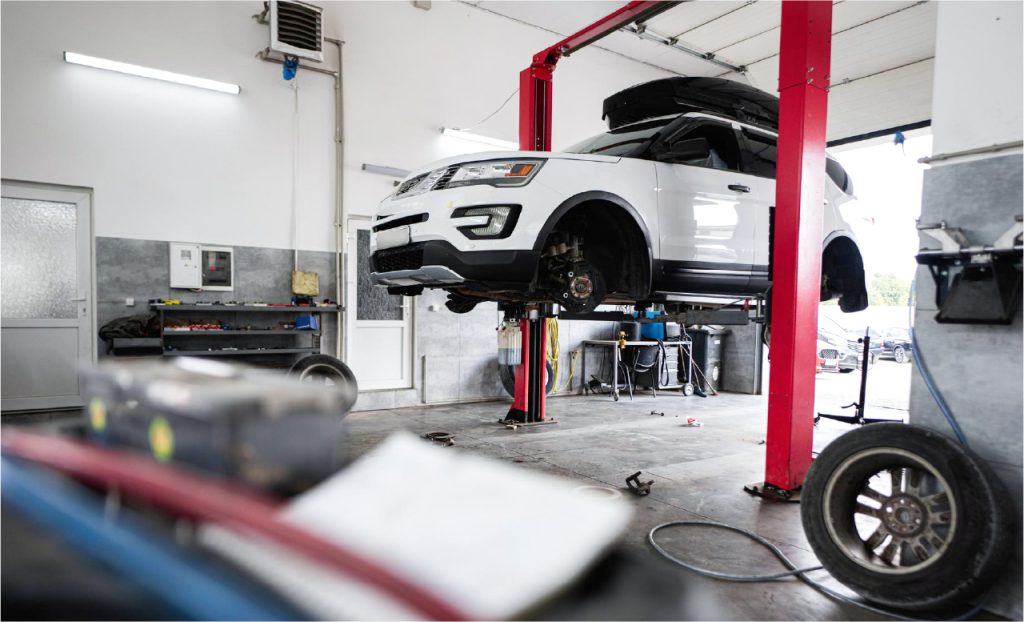
Portable jacks suit spot lifting, but a bay that does most of its work at full vehicle height needs a lift instead, so weigh a car scissor lift against the alternatives, such as 2-post and 4-post lifts.
It is a wheeled, low-profile jack with a horizontal body, a long pump handle and a lifting arm. Pumping the handle moves hydraulic fluid into a cylinder, which pushes a piston and raises the arm and the vehicle’s lift point. Opening the release valve lowers the load. It is also called a trolley jack.
Is a hydraulic jack better than a regular jack?
For workshop use, usually yes. A hydraulic jack lifts faster and with far less effort than a scissor or screw jack, and it holds a steadier position on a flat floor. It still only lifts the load. Jack stands must carry the weight before anyone works underneath.
What is the 3/4 rule for floor jacks?
It is a common rule of thumb: choose a jack rated for roughly 75% or more of the vehicle’s total weight, since only part of that weight is lifted at once. It is not a standard. Always check the vehicle’s own weight rating, and remember that extra capacity gives extra margin.
What are the disadvantages of using a hydraulic jack?
Seals can wear and leak, which lets the jack sink slowly under load. Floor jacks are heavy and bulky, they need flat, firm ground, and tall vehicles can exceed their reach. Above all, a hydraulic jack is a lifting tool only; it is not designed to support a vehicle while someone works beneath it.
What is the most reliable floor jack?
No single model answers that for every shop. Reliability comes from build quality, a working overload valve, seal integrity and verified certification. Check the stated rating and the certificate for the exact model, and judge a supplier by how consistently its units hold load and bleed down slowly.
Floor jack vs bottle jack: which is better?
Floor jacks are better for stability and repeated bay work on flat concrete. Bottle jacks are better for compactness and for reaching high lift points, and they travel well in a service van. Many workshops keep both for different jobs.
Can I work under a car on a hydraulic jack?
No. Use rated jack stands on a flat, hard surface, and lower the vehicle onto them before going under it. A jack can lose pressure, shift or be knocked, and the consequences of a drop are severe.
Can I use the jack that came with my car?
Only for emergency tyre changes. The factory scissor jack is slow, has a small base and is not designed for repeated use or for supporting a vehicle during workshop work.
What can I use if my floor jack won’t reach the lift point?
Use a long-reach or heavy-duty floor jack, a rated saddle or truck extension, or a bottle jack on a firm, level base. Avoid timber spacers, which can split under load. Whatever you use, finish by placing the vehicle on rated stands.
Are used hydraulic floor jacks worth buying?
Only after a careful inspection. Check for fluid leaks, a bent frame or arm, a damaged saddle, slow bleed-down under load and stiff or sticking casters. A jack that sinks or has structural damage is a safety risk, and the saving rarely justifies it in a workshop setting.
How much does a floor jack cost vs alternatives?
Scissor jacks are generally the cheapest, and bottle jacks sit close to them. Floor jacks cost more, rising with capacity, low-profile design and quick-lift or dual-pump features. Air jacks sit at the upper end and add the compressor and air supply they depend on. For trade orders, unit cost also moves with specification, branding and order volume, so compare quotes on the same specification.
Yes. We provide OEM and ODM services, including logo printing, custom colors, packaging design, and product specification adjustments. Available options depend on the product type and order quantity.
What is your minimum order quantity (MOQ)?
MOQ requirements vary by product. Most standard products are available in flexible quantities, while customized branding, packaging, or product development may require a minimum order. Contact us with the product model and required quantity for confirmation.
Do you offer samples?
Samples or trial orders are available for most product categories. Sample charges and refund terms depend on the selected product and will be confirmed before ordering.
Which ports do you ship from?
We can arrange shipment from major ports in China, including Shanghai, Ningbo, Shenzhen, and Qingdao. The final port will be selected according to the product location and shipping arrangement.
Which trade terms do you support?
We support EXW, FOB, CIF, and other standard international trade terms. The available option will be confirmed in your quotation based on the order and destination.
Can you supply products beyond your catalog?
Yes. If you cannot find the required automotive tool or workshop equipment in our catalog, send us your specifications, target quantity, and application. Our team can help identify and source a suitable solution.