The Professional’s Guide to Car Ramps: Choosing the Right Lift and Staying Safe
When it comes to vehicle maintenance, safety and accessibility are never optional. Whether you manage a professional workshop or service your own vehicle at home, selecting the right car ramp makes a real difference in both efficiency and protection.
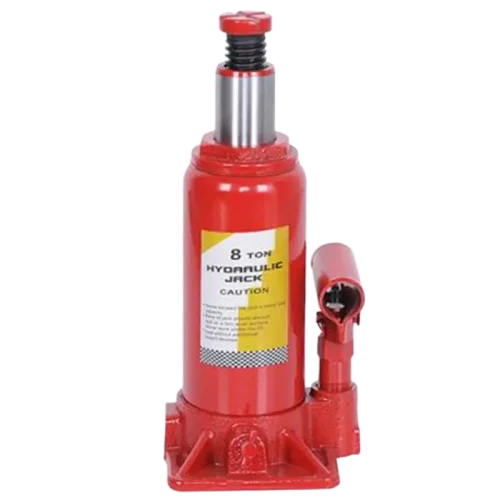
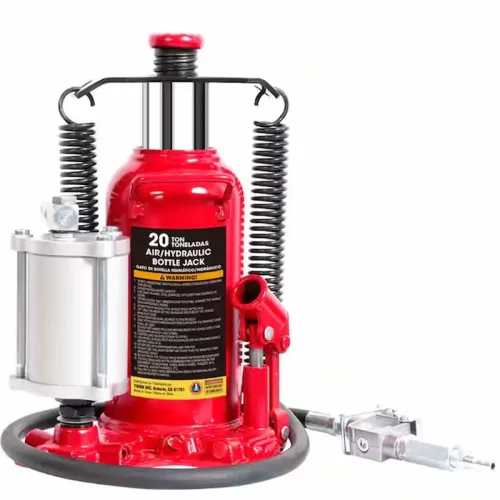
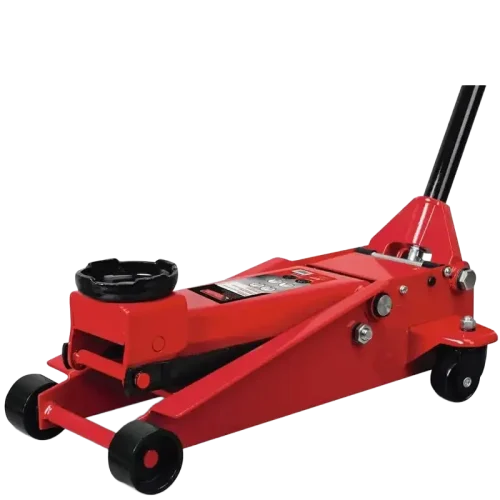
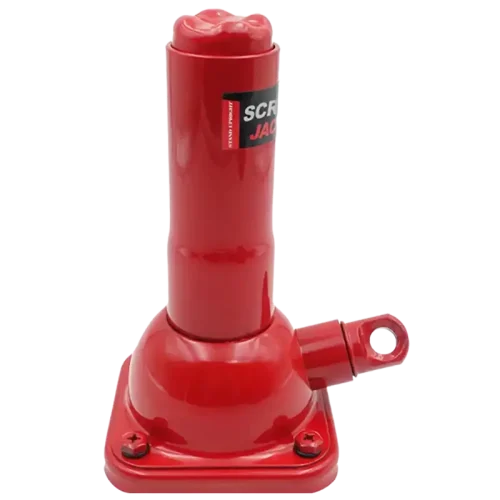
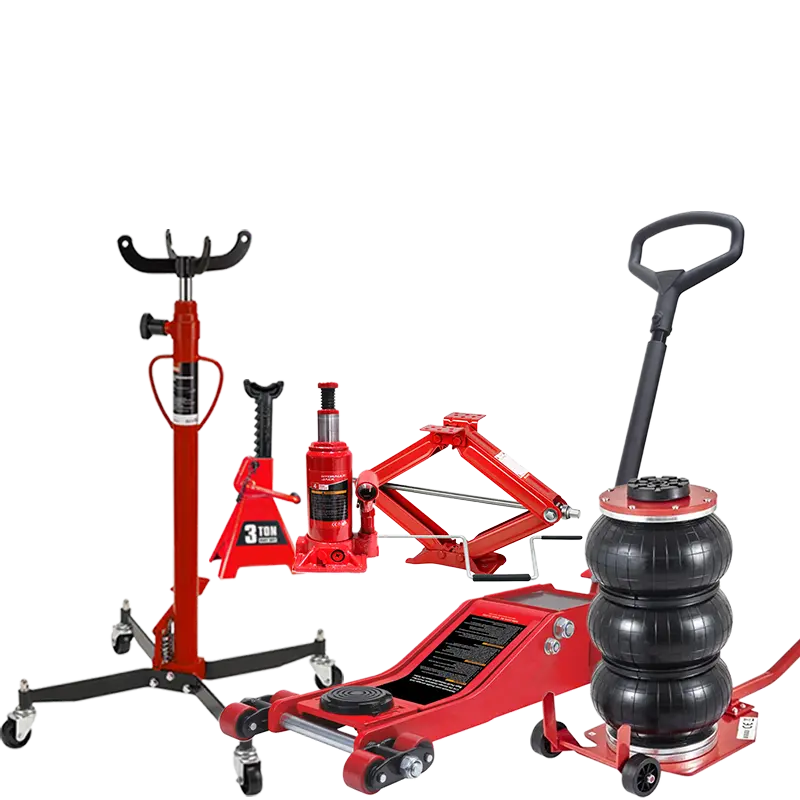
Why Use a Car Ramp Instead of a Floor Jack?
A floor jack is a common tool, but it isn’t always the safest or most efficient solution for under-vehicle work. Purpose-built car ramps offer several clear advantages:
Greater Stability
Car ramps provide a wide, solid base that significantly reduces the risk of shifting or tipping, especially during longer repair jobs.
Faster Setup
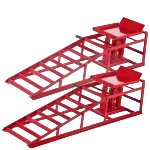
With drive-on ramps, lifting a vehicle takes only seconds. There’s no need to position a jack, pump repeatedly, or place additional jack stands.
Consistent Working Height
Unlike hydraulic jacks, which can lose pressure over time, fixed-height service ramps maintain a stable, secure lift throughout the job.
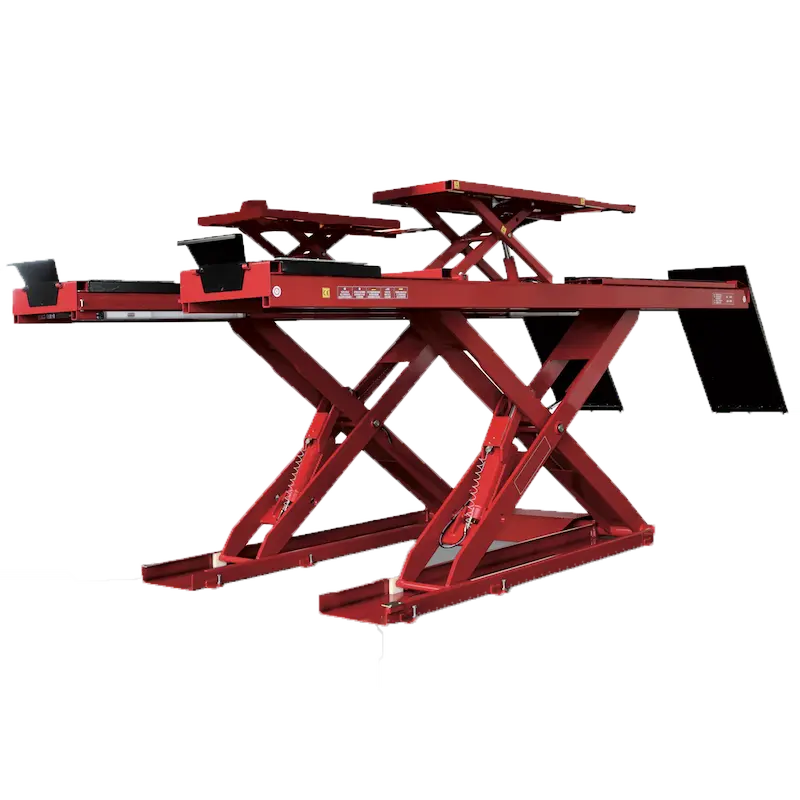
Types of Car Ramps: Choosing the Right Option
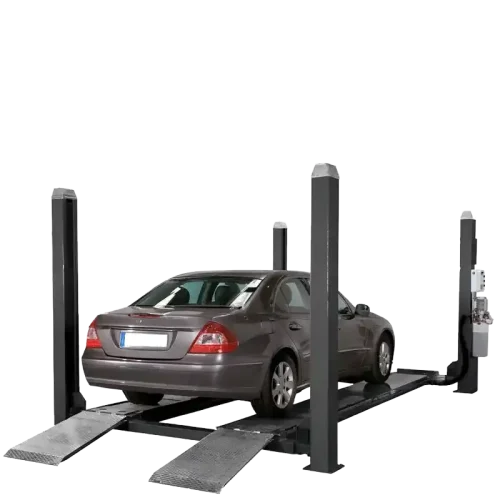
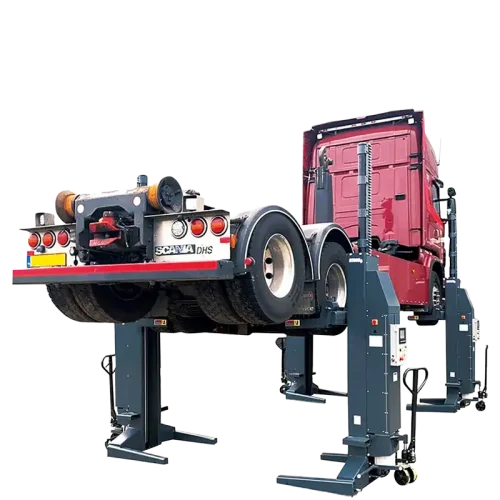
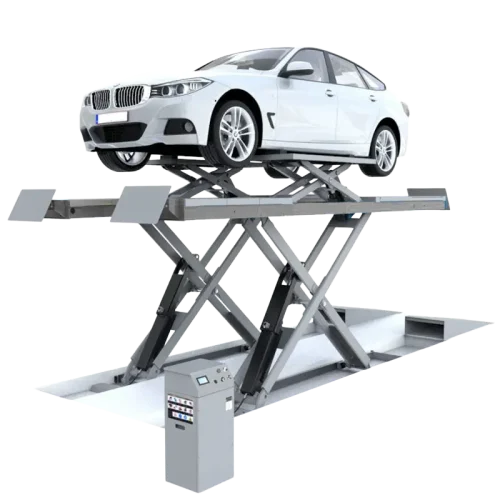
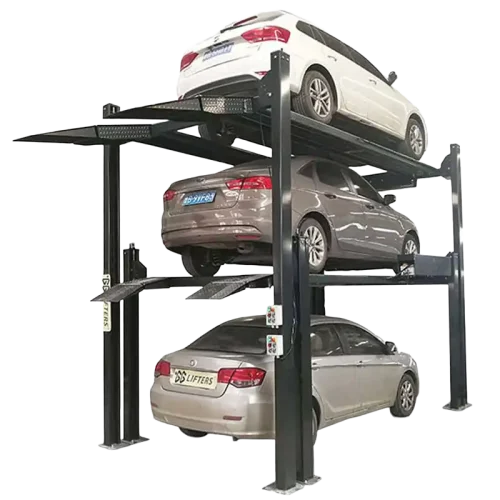
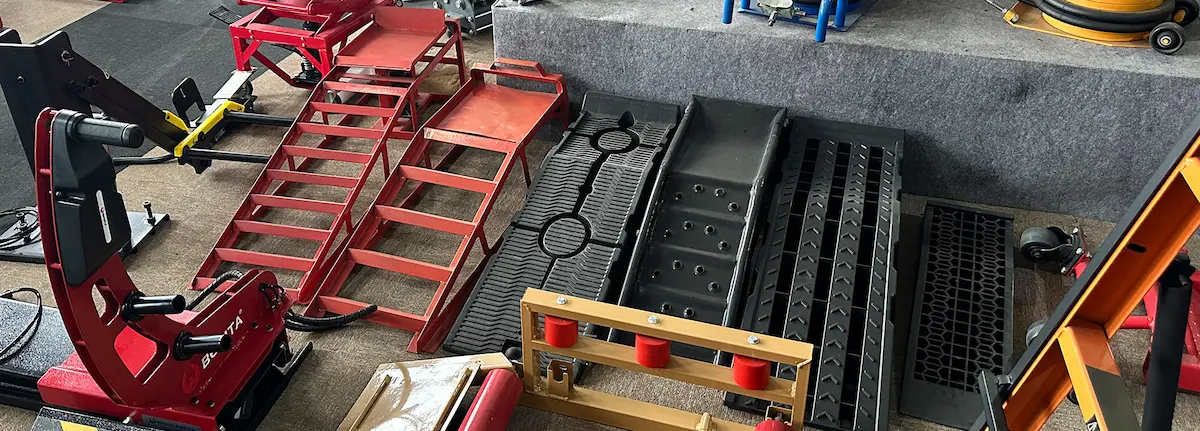
Different vehicles and repair tasks require different lifting solutions. Below are the main types available in the WSAT range, along with their ideal applications.
The Professional's Guide to Car Ramps: How to Choose the Right Lift for Your Vehicle and Keep It Safe. Safety and accessibility are not optional when it comes to car maintenance; they are the most important parts of every task done well. Choosing the right auto ramp is important for both safety and efficiency, whether you run a professional service business or take care of your own car.
What Are the Benefits of Using a Car Ramp Instead of a Floor Jack?
A regular floor jack is useful, but it adds needless risk and prep time when working underneath a car. A purpose-built automobile ramp system offers many benefits that a jack just can't match:
Better stability: A wide-base design makes it much less likely that a vehicle would shift or tip over during long labor periods.
Set up faster: With drive-on ramp solutions, you can lift a car in seconds without pumping, positioning, or using extra safety stands. Stable, locked-in height: Professional car lift service ramps keep a steady height throughout the job, so you don't have to worry about the hydraulic seal breaking or the ramp collapsing while you're working under the car.
Important Details to Look Over Before You Buy
To match a car ramp to your automobile and your work area, you need to pay close attention to the following:
Weight capacity: Make sure the ramp's rated capacity is equal to or greater than the vehicle's Gross Vehicle Weight (GVW) when servicing. Don't guess—look at the vehicle's paperwork.
Incline angle: Low-profile vehicles, such as most modern sports cars and performance sedans, require a longer, shallower approach angle to keep the front bumper or spoiler from contacting the ground during the drive-on phase.
Material: Steel is the best choice for permanent shop installations where durability and load tolerance are the most important factors. Reinforced polymer (plastic) ramps are preferable for mobile use because they are less likely to corrode and are lighter.
Tips for Long-Term Performance in Maintenance.
- A properly maintained car ramp will last for many years. To keep both safety and longevity, do the following:
- Always put ramps on a flat, solid concrete surface.
- Soft or uneven ground makes things less stable when they are loaded.
- Check before each use.
- Check the load points on steel ramps for cracks in the welds, surface rust, or bending.
- Check the locking mechanism on plastic ramps for stress bleaching, cracks, or any other shape variations.
- Put things away the right way. To keep steel ramps from rusting, store them in a dry place.
- Keep plastic ramps out of direct sunlight for extended periods, as this can weaken the polymer.