
86-1506-1936-695

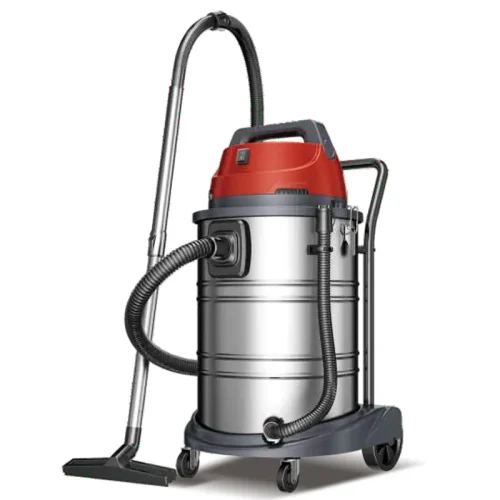
Wet & Dry Vacuum Cleaner

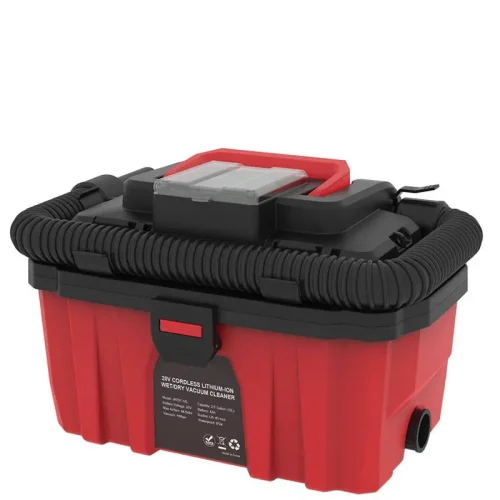
Wet and dry vacuum cleaners efficiently remove both liquid spills and dry debris, helping maintain clean and organized automotive workshops, detailing bays, and industrial workspaces.

Why Use Wet & Dry Vacuum Cleaners

Wet and dry vacuum cleaners help maintain cleanliness and efficiency in vehicle repair and detailing environments. They remove both liquid spills and dry debris quickly, reducing cleaning time and improving workshop organization.

  • Efficient Multi-Surface Cleaning

    Wet and dry vacuum cleaners can handle dust, sanding residue, water spills, and general debris. This flexibility makes them suitable for detailing bays, service areas, and workshop floors.

  • Improved Workshop Cleanliness

    Powerful suction helps remove contaminants that can affect repair quality and workspace safety. Cleaner work environments also improve visibility and reduce post-repair cleanup.

Wet & Dry Vacuum Use in Automotive Workshops

Vehicle Interior Cleaning

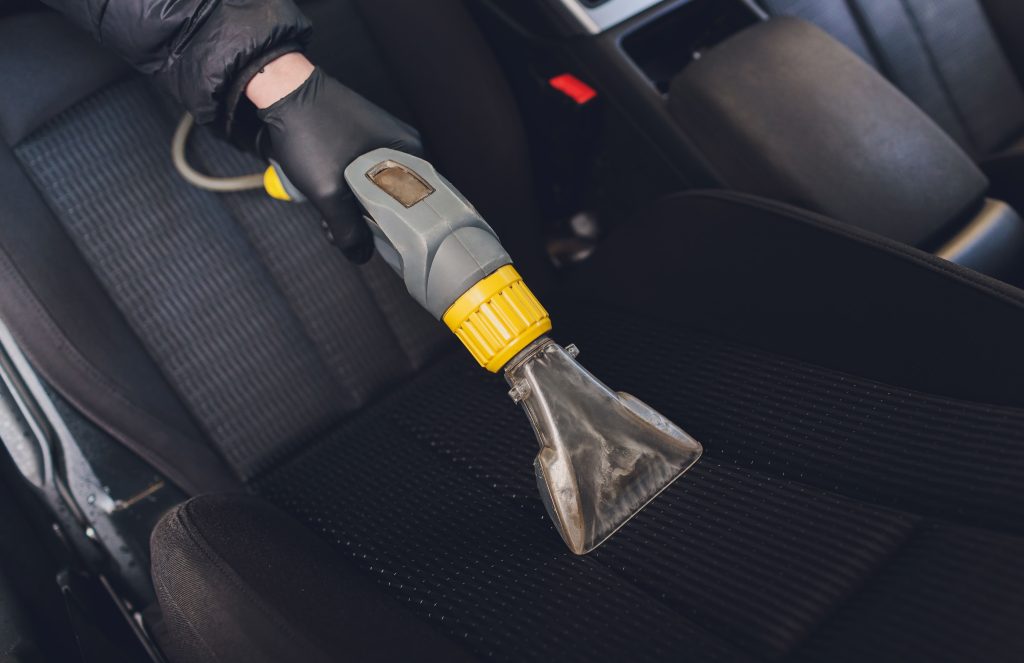
Vacuum cleaners are widely used in car detailing for cleaning seats, carpets, and interior surfaces. Strong suction helps remove dust, sand, and small debris from hard-to-reach areas.

Workshop Floor Cleaning

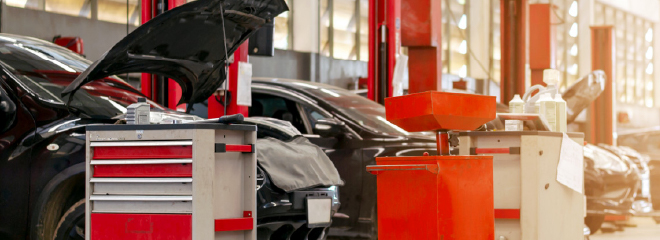
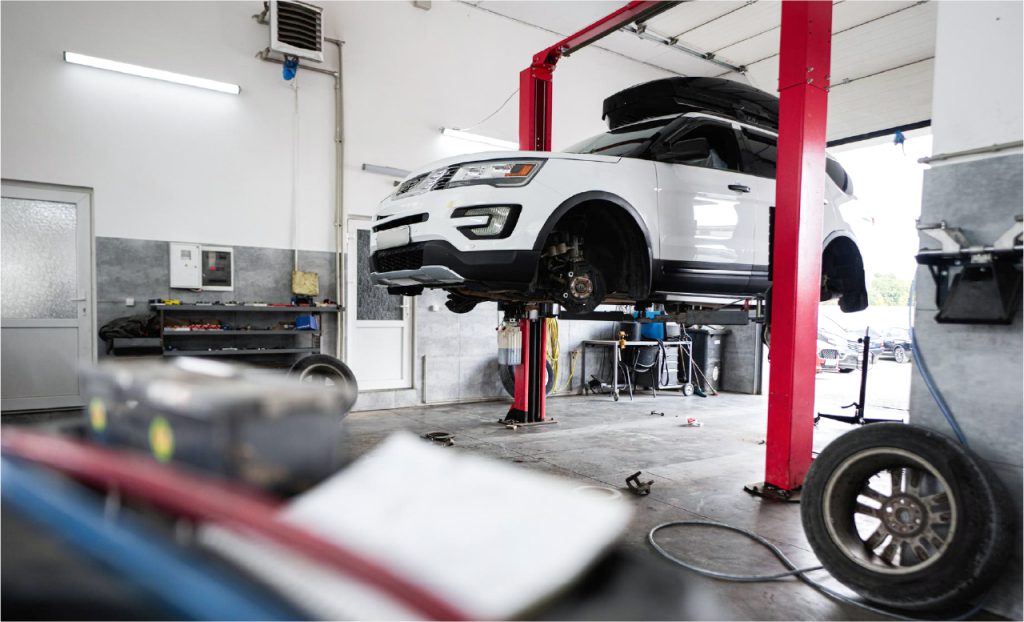
During vehicle repair and maintenance, floors often accumulate dust, metal particles, and liquid spills. Wet and dry vacuum cleaners allow quick removal of both dry debris and liquids.

Equipment Configuration & Workshop Integration

Wet and dry vacuum cleaners are designed to integrate easily into automotive workshop operations.

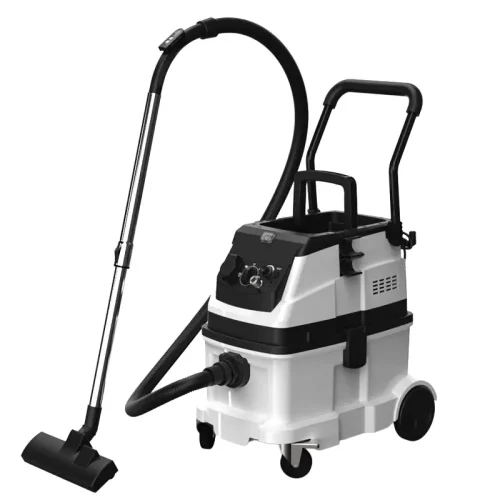
  • Compatible with common cleaning accessories and nozzles
  • Suitable for continuous cleaning tasks in repair and detailing bays

Their versatility makes them a practical solution for maintaining cleanliness and efficiency in automotive service environments.

Can't Find your Product? Download our Catalogue

FAQs

What is a wet & dry vacuum cleaner used for?
It removes both liquid spills and dry debris during vehicle repair, detailing, and workshop cleaning.
What capacity vacuum cleaner is suitable for a workshop?
Small detailing tasks typically use 10L–30L models, while larger workshops often require 60L–100L units for heavier cleaning.
What is the difference between plastic and stainless steel tanks?
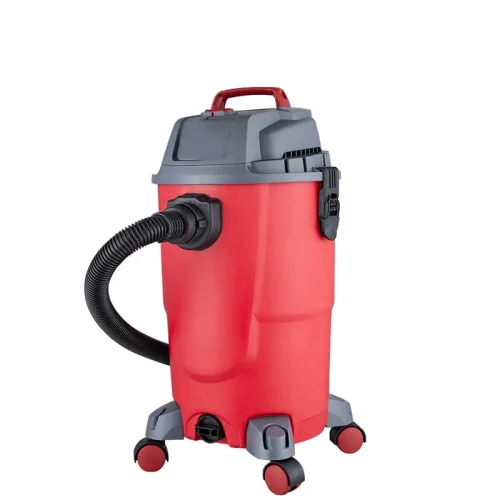
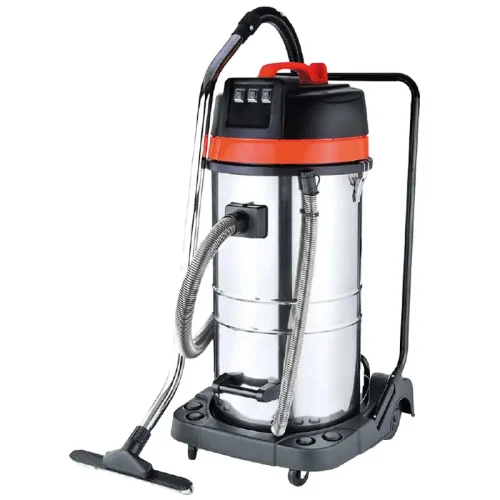
Plastic tanks are lightweight and corrosion-resistant, while stainless steel tanks offer higher durability for heavy-duty use.
Why do some wet & dry vacuum cleaners use multiple motors?
Multiple motors increase suction power, making the vacuum more effective for large areas and heavy debris.
Are cordless wet & dry vacuums suitable for car detailing?
Yes. Cordless models provide better mobility for cleaning vehicle interiors and tight spaces.