86-1506-1936-695
Brake Fluid Exchangers & Brake Bleeder Machines

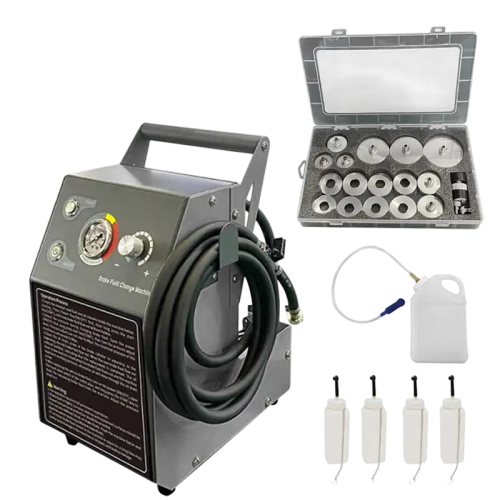
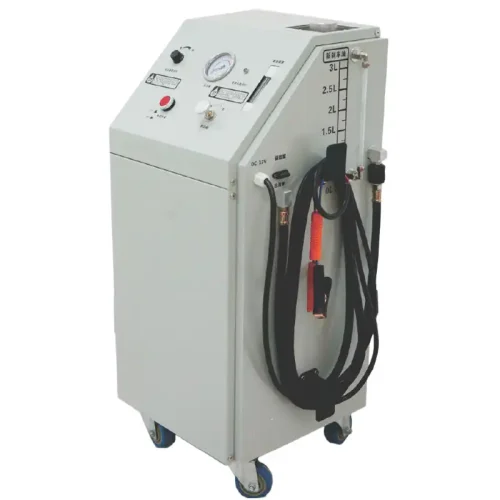
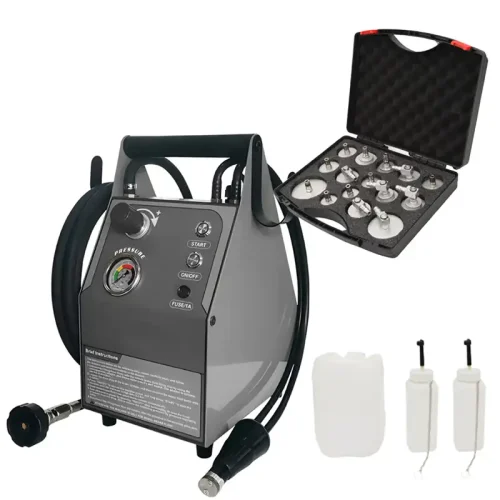
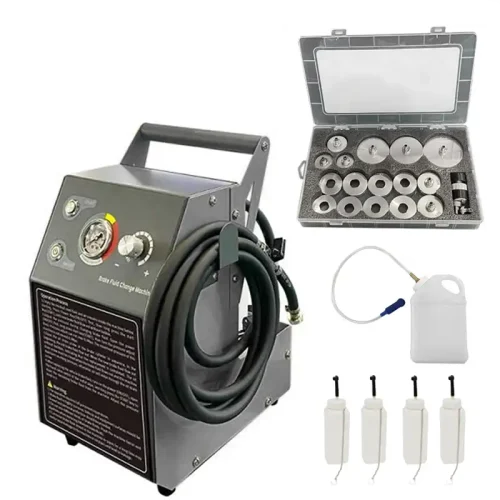
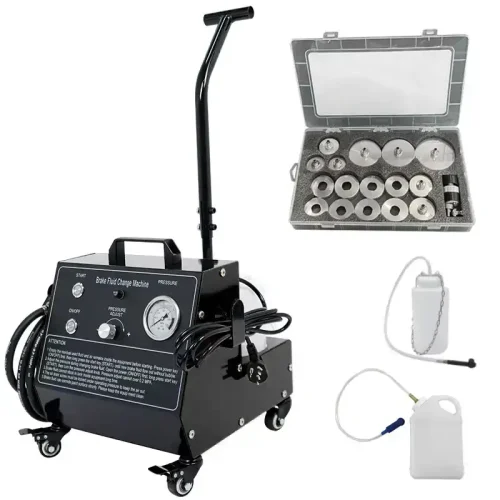
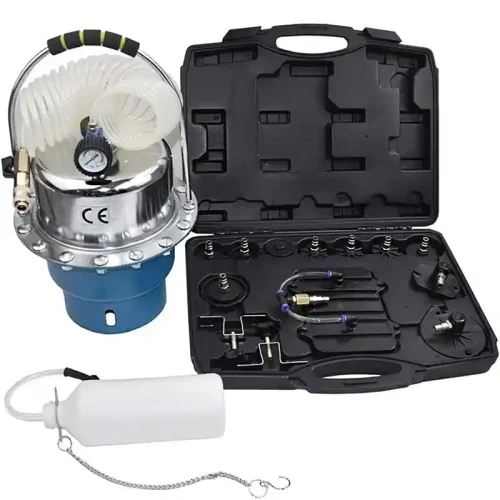
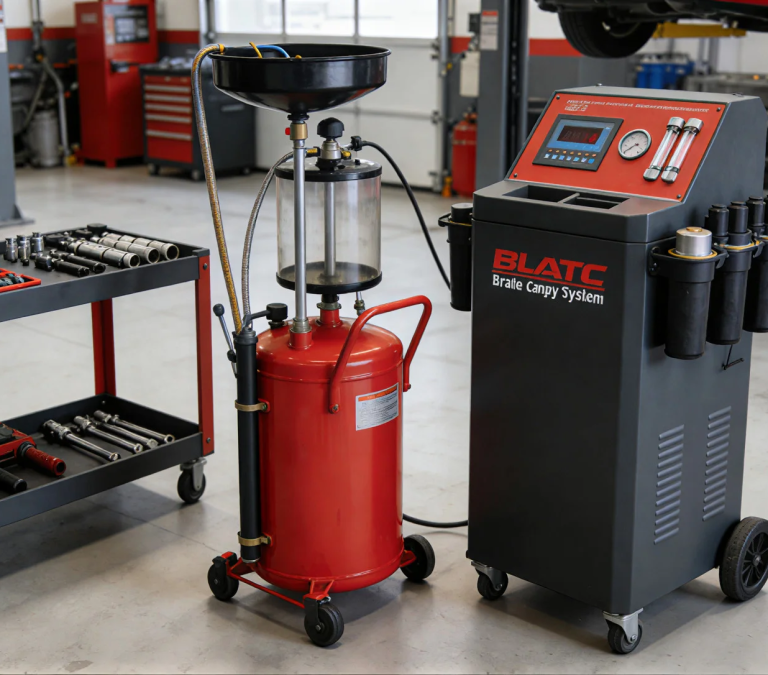
Brake fluid exchangers and bleeder machines replace old brake fluid and clear trapped air from hydraulic brake systems. WSAT supplies DC12V and 220V electric exchangers with stainless steel reservoirs, waste oil bottles and universal adapter kits, for workshops, dealerships and fleet service bays.

How to Choose a Brake Bleeder or Fluid Exchanger

The right brake service equipment depends on the bleeding method, workshop setup, service volume, vehicle requirements, and preferred level of mobility. Electric and pneumatic systems support pressure-assisted fluid replacement, while vacuum and kit-style solutions are useful for different maintenance and diagnostic workflows.

  • Electric & Pneumatic Fluid Exchange

    Electric and pneumatic brake bleeders push fresh fluid through the hydraulic system while old fluid and trapped air are removed. Different tank sizes, hoses, and adapter configurations allow workshops to select equipment that fits their regular service requirements.

  • Reservoir Capacity & Waste Recovery

    Tank sizes run from 1L to 5L, each paired with dedicated waste oil bottles, so workshops can match reservoir volume to service frequency while keeping used fluid fully contained.

Brake Fluid Exchange & Bleeding Applications


Brake bleeder machines support routine hydraulic brake maintenance by helping technicians replace aged fluid and remove trapped air from the system.

Routine Brake Fluid Replacement

Brake fluid exchangers help remove old fluid and introduce fresh fluid through the hydraulic brake system. A controlled exchange process helps workshops carry out brake fluid maintenance with a more consistent service procedure.

Clutch Hydraulic Service

The same pressure-fed exchangers also serve clutch hydraulic circuits, so one machine covers both brake and clutch fluid replacement without a second piece of equipment.

Brake Bleeder Configurations for Workshop Use

Brake fluid service equipment is available in several configurations to match different workshop setups and maintenance workloads.

  • Electric brake bleeders for powered brake fluid exchange and bleeding
  • Pneumatic brake bleeders for air-powered workshop operation
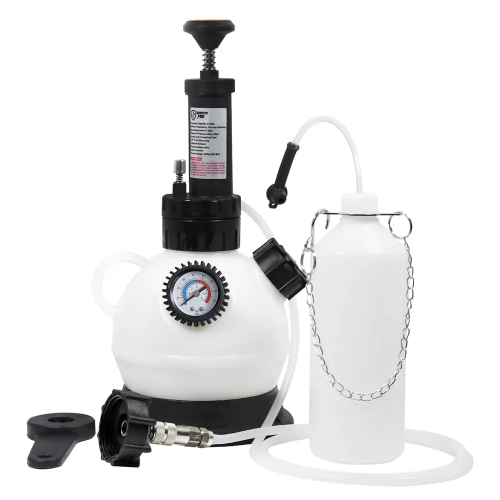
  • Vacuum and kit-style bleeders for flexible maintenance and diagnostic tasks
  • Portable and mobile configurations for different service bay layouts
  • Adapter-equipped systems for broader vehicle service requirements

Selecting the right configuration should take into account the available power source, service frequency, equipment mobility, fluid container capacity, and adapter requirements.

Need More Brake Service Equipment?

Explore the WSA Tools catalogue for additional automotive maintenance and workshop equipment.

FAQs

What is a brake fluid exchanger used for?
A brake fluid exchanger is used to remove old brake fluid and introduce fresh fluid through a vehicle's hydraulic brake system during routine brake maintenance.
What is a brake bleeder used for?
A brake bleeder helps remove trapped air from hydraulic brake lines. Many brake service machines can support both fluid replacement and brake bleeding procedures.
What types of brake bleeder machines are available?
Common configurations include electric, pneumatic, vacuum-operated, and manual or kit-style brake bleeders. The appropriate type depends on workshop setup, service frequency, and the preferred bleeding method.
How do I choose between an electric and pneumatic brake bleeder?
Consider the available power source, expected service volume, required mobility, fluid capacity, and adapter requirements. Electric models suit workshops that prefer powered operation, while pneumatic models can integrate with workshop air-powered service setups.
Can brake bleeders also be used for hydraulic clutch systems?
Some pneumatic and vacuum-operated bleeders can also be used for hydraulic clutch bleeding. Compatibility should be confirmed according to the vehicle, adapter, and equipment configuration before use.