86-1506-1936-695
Two Post Lift

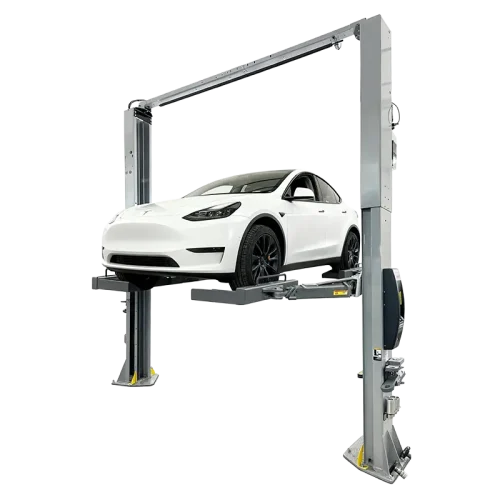
Our range includes a 3T portable two-post lift for easy mobility, as well as 4T–5T base-plate and clear-floor models for heavy-duty use. The fixed models are available with two-sided, single-sided, or electric lock-release systems, delivering safe, efficient, and reliable lifting performance for any garage. With the EV adaptor installed, the two-post lift can safely lift electric vehicles

Base Plate vs. Clear Floor: Which 2-Post Lift Actually Fits Your Shop?

Choosing between a Base Plate and a Clear Floor 2-post lift isn't just about price—it’s about your ceiling height and how much frustration you’re willing to deal with on the shop floor. Both pull their weight, but they serve two very different types of workspaces.

1. The Base Plate Lift (The "Low Ceiling" Savior)

If you’re working out of a home garage or an older building with low rafters, the Base Plate lift (or Floor Plate) is likely your only move.

The Setup: The "guts" of the lift—the hydraulic lines and equalization cables—run across the floor. They are protected by a beveled steel plate that sits about an inch or two high between the columns.

  • Why people love it: You don't need 12-foot ceilings. If you’ve got 10 feet, you’re usually in business. It’s easier to bolt down and doesn't require dodging overhead lights or heaters.

  • The Reality Check: That floor plate is a "speed bump." If you’ve ever tried to roll a heavy transmission jack or a slim tool cart over a 2-inch steel ridge while balancing a gearbox, you know the struggle. It’s also a magnet for dirt and spilled oil.

2. The Clear Floor Lift (The Professional Standard)

Ask any pro mechanic, and they’ll tell you: Clear Floor is the way to go if you have the overhead clearance.

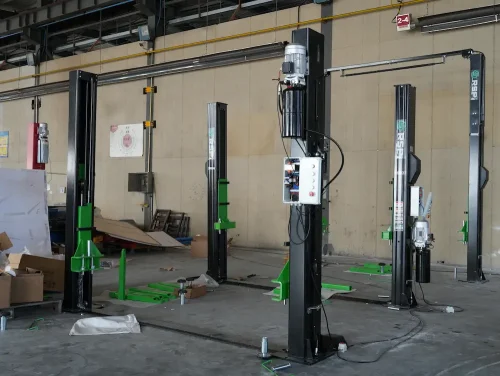
The Setup: Everything is routed through a "bridge" or gantry at the very top. The floor between the columns is 100% flat.

  • The Big Win: Total mobility. You can slide oil drains, jacks, and tool chests anywhere without lifting them over a hump. It makes the shop safer and much easier to keep clean. Most models also have a "padded shut-off bar" at the top—if a high-roof van hits that bar, the lift kills the power instantly, saving the vehicle's roof.

  • The Catch: You need height. Most of these require at least 12 feet of clearance. You also have to make sure your overhead lights, sprinklers, or garage door tracks aren't in the way of that top crossbeam.

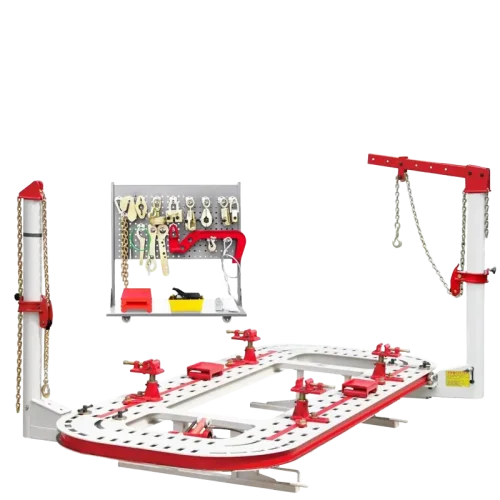
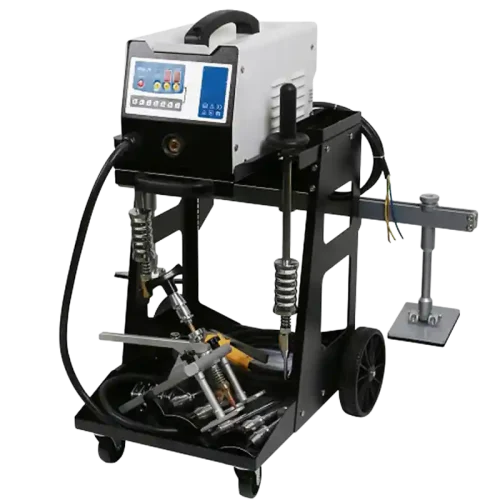
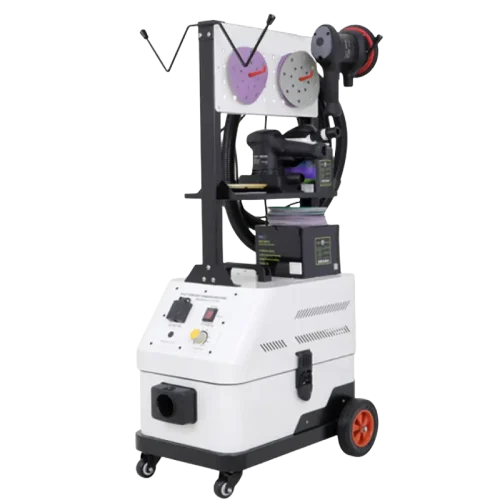
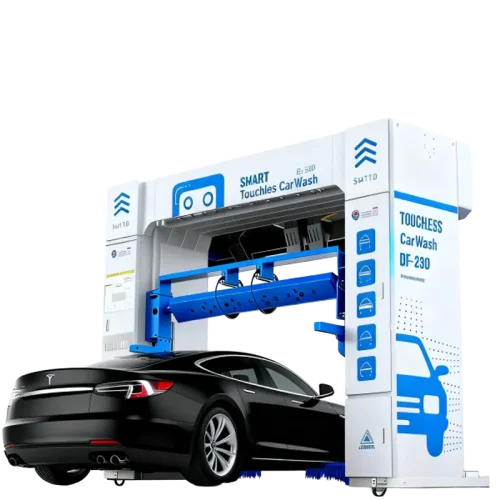
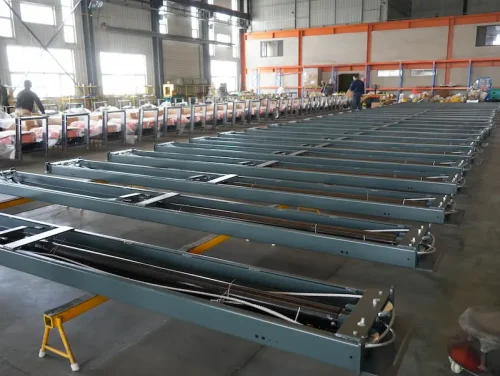
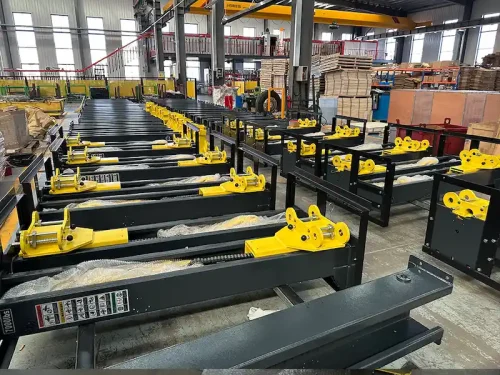
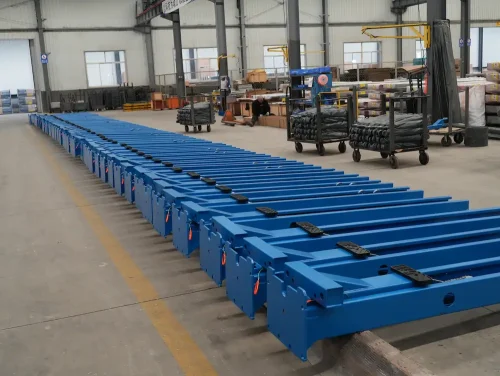
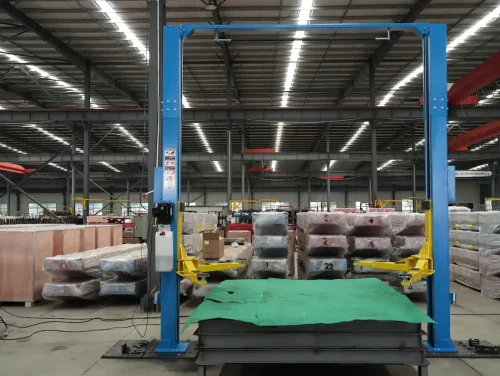
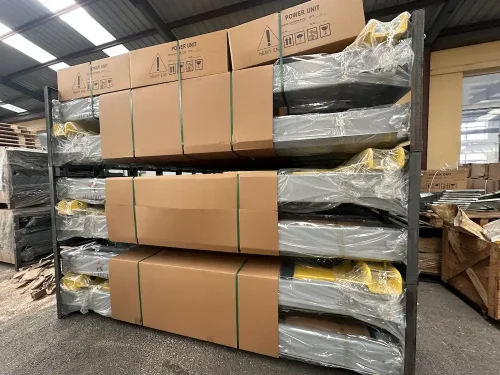
Workshop & Manufacturing Machine

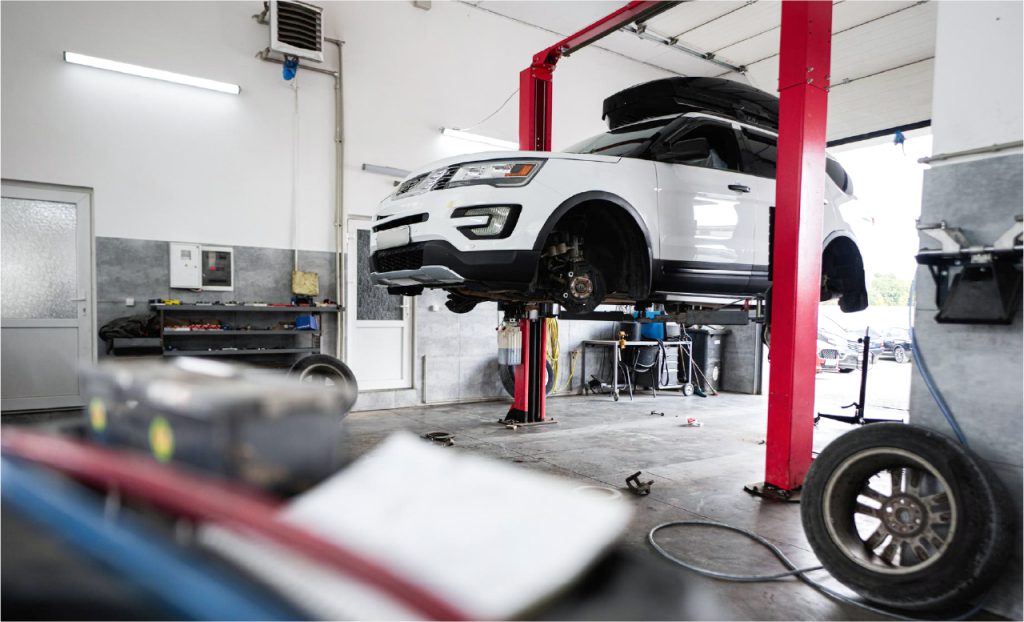
workshop of two post lift

Installation Requirements

Concrete Floor Requirements

The lift must be anchored to a solid concrete slab with a minimum thickness of 150–180 mm. The concrete should have a compressive strength of at least 3000–3500 PSI and must be fully cured, level, and free from cracks, hollow sections, moisture damage, or any structural weakness. Reinforced concrete is strongly recommended for commercial workshops or high-frequency usage environments.

Ceiling Height Requirements

Most two post lifts require a ceiling clearance between 3.6 and 4.2 meters. The actual height requirement may vary depending on the maximum lifting height of the model and the types of vehicles serviced. Taller vehicles such as SUVs and vans may require additional overhead space to provide safe walking and working clearance once lifted.

Vehicle Entry Width and Working Space

To ensure smooth vehicle positioning and safe technician access, the ideal column-to-column width ranges from 2700 to 3000 mm. A minimum side clearance of 800 mm on each side is recommended so doors can open freely and tools can be used without restriction. The drive-through clearance should be at least 2500 mm to accommodate wider vehicles and maintain smooth entry into the lift bay.

Electrical Requirements

Two post lifts typically operate on either 220V or 380V power, depending on the model and regional electrical standards. A circuit breaker rated between 16A and 32A is required to ensure stable motor operation and to protect the electrical system. For safety and compliance, the lift should be connected to a dedicated power line.

Additional Considerations

Before drilling or anchoring the columns, the installation area must be checked for the presence of underground pipes, embedded electrical conduits, drainage channels, or expansion joints. The floor surface should be flat and non-sloped to ensure proper vertical alignment of both columns. All anchor bolts must meet the manufacturer’s tensile strength specifications. Installation should follow local building codes, electrical regulations, and recognized safety standards such as ANSI/ALI.

Safety Features

  1. Automatic Safety Lock System
  2. Arm Locking Mechanism
  3. Emergency Lowering System
  4. Overload Protection Valve

Why Choose Winsen Two Post Lifts?

  • Heavy-Duty Steel Structure & Reinforced Columns
  • Synchronized Arm Movement for Balanced Lifting
  • Dual-Locking Safety Mechanism
  • Wide Vehicle Compatibility
  • Fast Installation, Easy Maintenance

Can't Find your Product? Download our Catalogue

FAQs

Which is better, symmetric or asymmetric?
Asymmetric lifts provide better door clearance, while symmetric lifts offer higher stability for SUVs and light trucks.
Can it lift a long-wheelbase vehicle?
Yes. Long-arm versions are available for vans and pickup trucks.
Are Winsen lifts suitable for commercial workshops?
Yes. They use reinforced steel, industrial-grade cylinders, dual-locking safety systems and high-durability hydraulic components.
What concrete thickness is required?
Minimum 150–180 mm with 3000–3500 PSI strength.