86-1506-1936-695
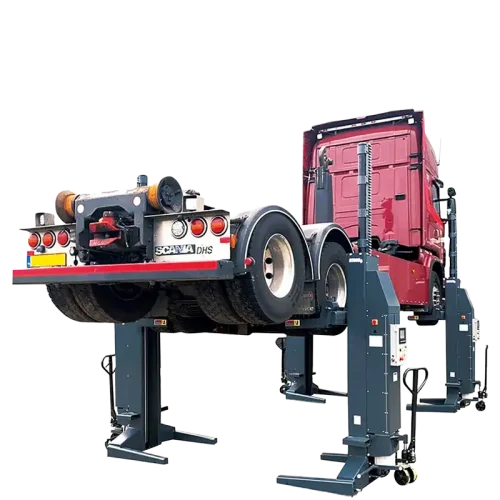
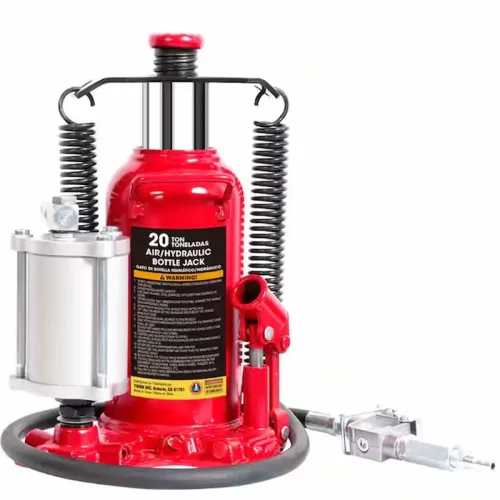
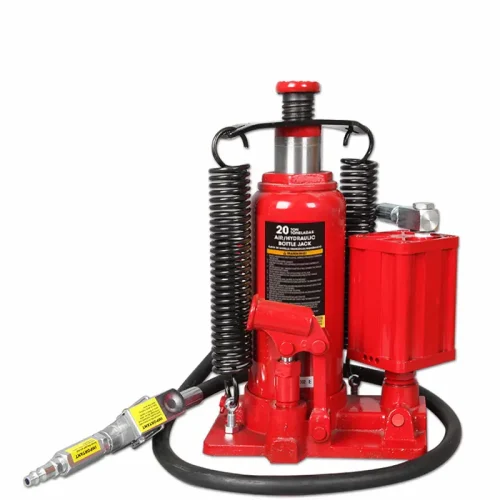
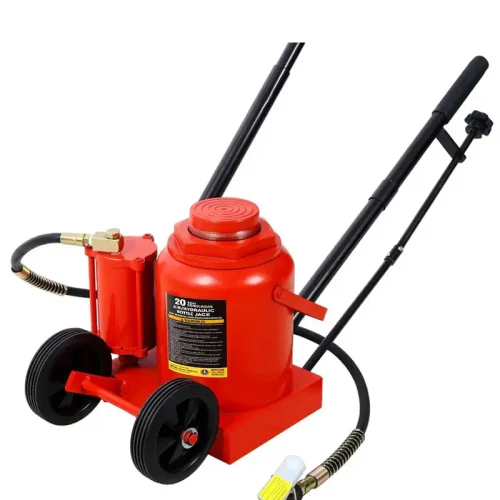
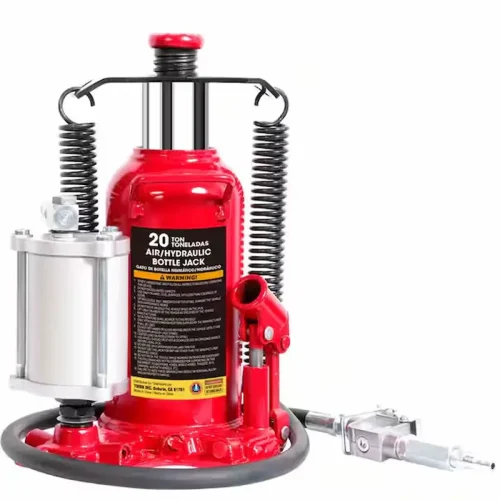
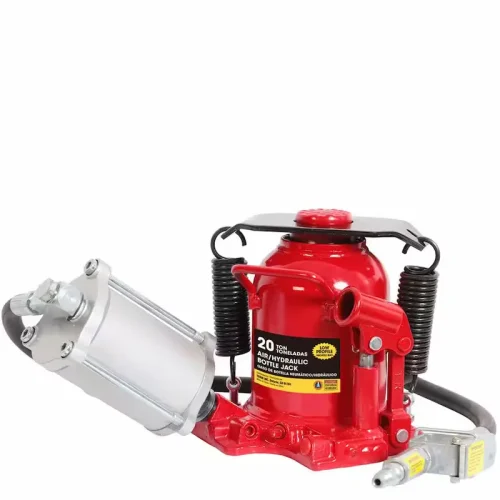
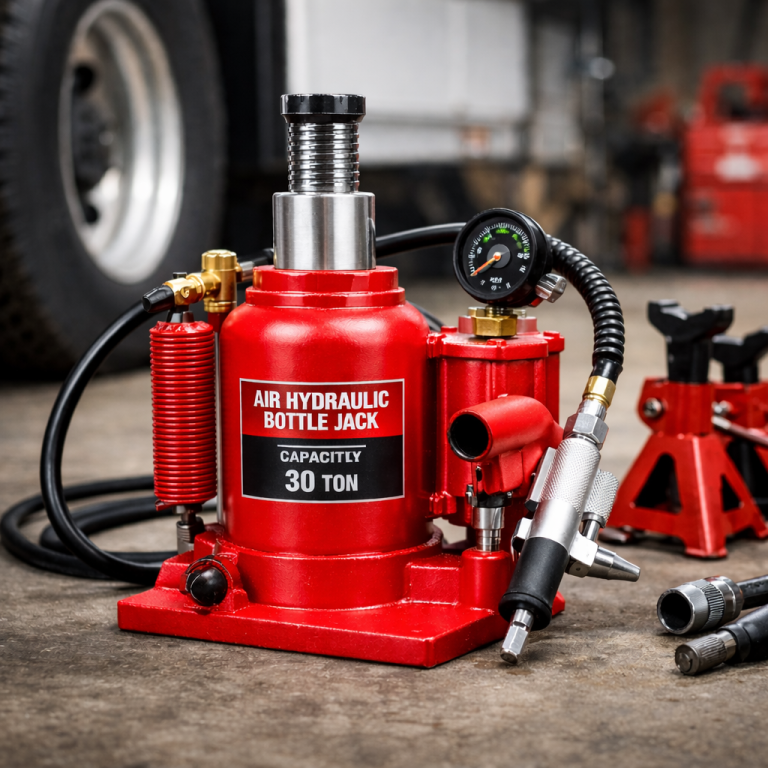
Air bottle jack

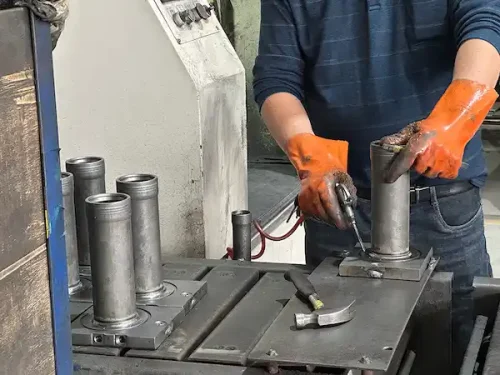
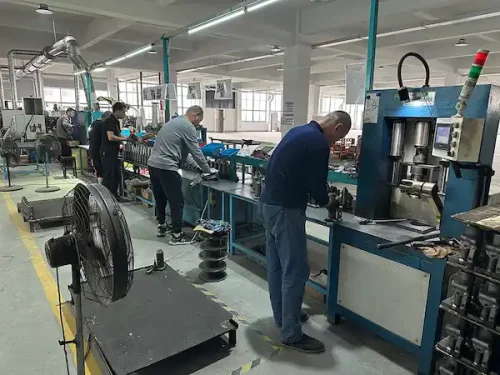
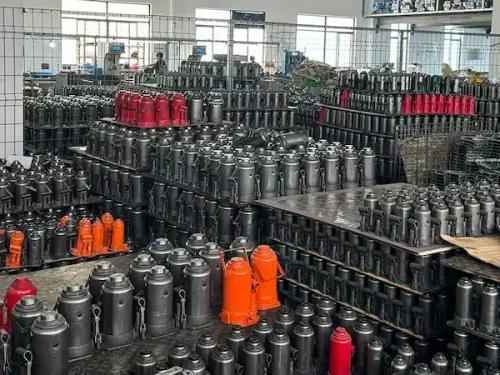
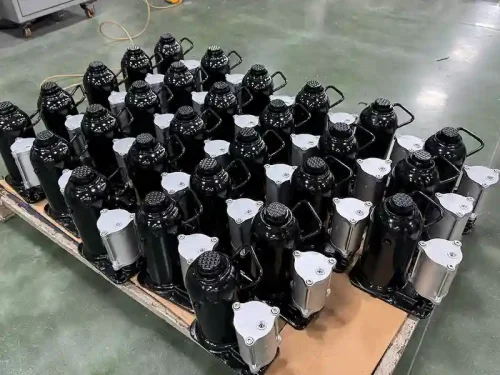
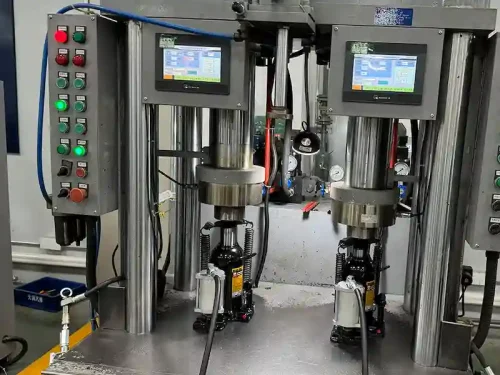
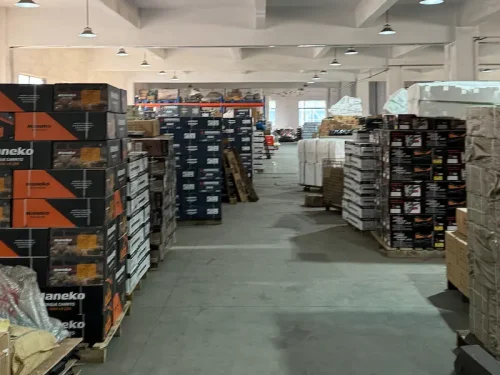
Workshop & Manufacturing Machine

air hydraulic bottle jack workshop (4)
air hydraulic bottle jack workshop (3)
air hydraulic bottle jack workshop (5)
air hydraulic bottle jack workshop (2)
air hydraulic bottle jack workshop (6)
air hydraulic bottle jack workshop (1)

Can't Find your Product? Download our Catalogue

FAQs

What size air compressor do I need to run a 20-ton or 50-ton jack?
You don't need a massive industrial compressor, but you do need consistent pressure. Our jacks typically require between 90 and 120 PSI. A portable compressor with a tank capacity of 5-10 gallons is usually enough for intermittent lifting. If you are using the jack in a high-volume truck shop, a standard shop air system will handle it effortlessly.
How do I bleed the air out of the hydraulic system if it feels "spongy"?
Air can occasionally get trapped in the hydraulic circuit during shipping or after an oil change. To fix this: Turn the release valve counter-clockwise to open it. Pump the handle manually 10-15 times. Close the valve and try the air trigger. This "purging" process forces air out of the valves and back into the reservoir, restoring the jack’s full lifting power.
Is it safe to hold a load on the jack while I work under the vehicle?
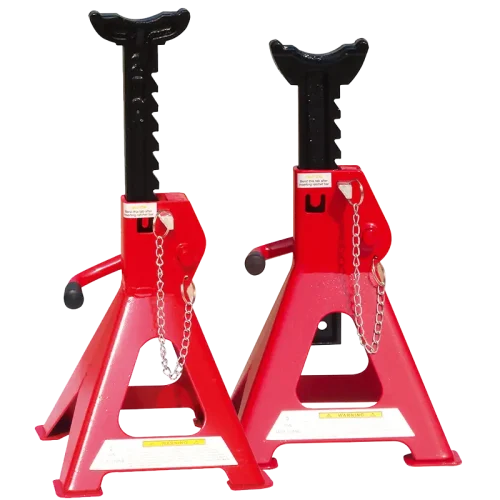
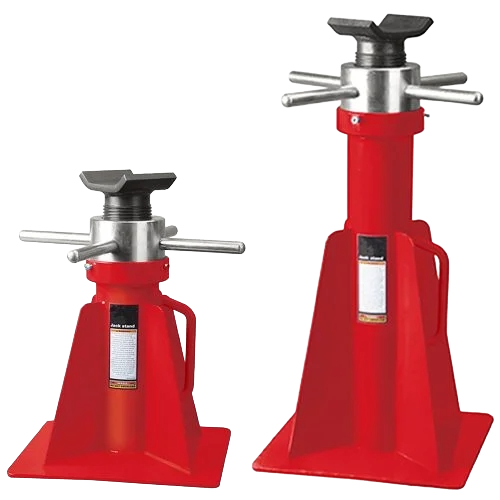
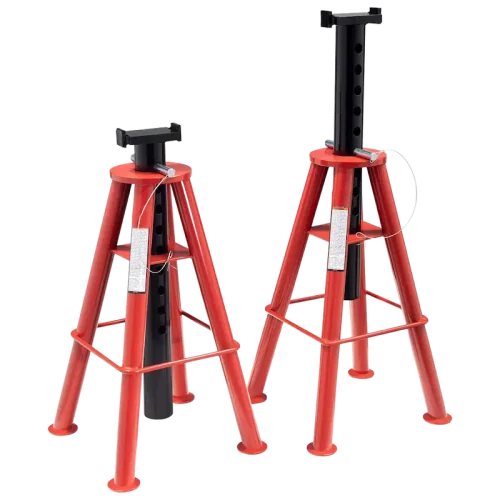
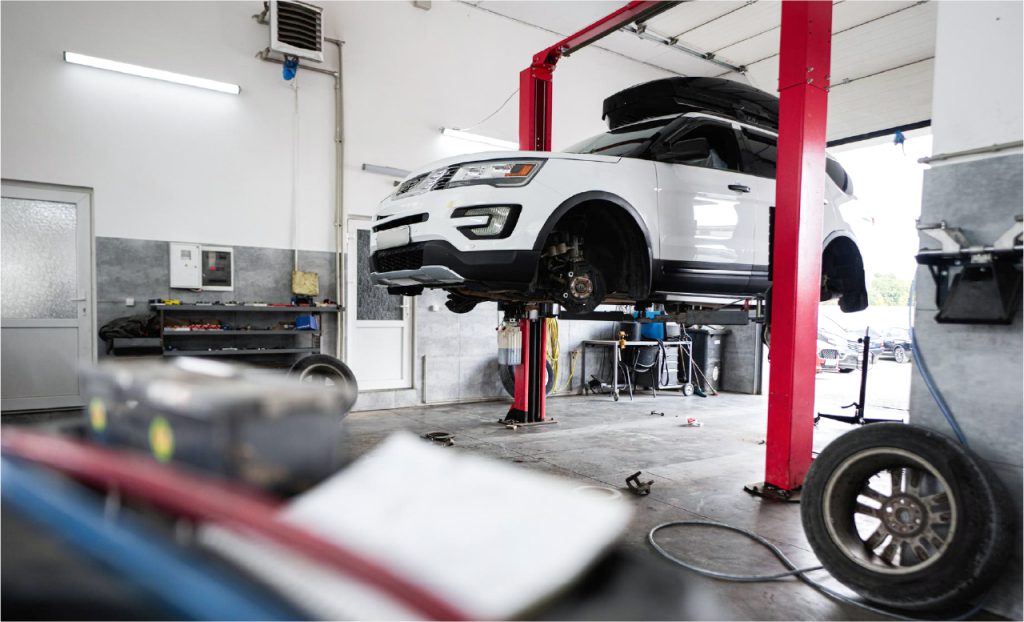
Absolutely not. No hydraulic jack—air or manual—is designed to be a long-term support device. Hydraulic seals can fail over time. Once the vehicle is at the desired height, always lower it onto rated jack stands before crawling underneath. The jack is for lifting; the stands are for holding.
Why is my air motor stuttering or running slowly?
This is usually caused by "dirty" air or a lack of lubrication. Ensure your air lines are dry (use a water separator). We recommend adding a few drops of air tool oil directly into the air inlet fitting every few uses. This keeps the internal piston moving smoothly and prevents the seals from drying out.